Hot Articles
Popular Tags
When does advanced hydraulic deliver real gains?
When does Advanced Hydraulic create measurable value instead of added complexity? For technical evaluators, the answer lies in verified performance under pressure, duty cycle, precision, and lifecycle cost. This article examines where Advanced Hydraulic systems deliver real gains in uptime, energy efficiency, controllability, and reliability across demanding industrial environments, helping decision-makers separate engineering advantage from marketing claims.
In heavy industry, mobile equipment, automated production, marine systems, and critical infrastructure, hydraulic technology still solves force-density challenges that electric or pneumatic systems cannot always address economically. Yet not every application benefits from a higher-spec hydraulic package. The real value of Advanced Hydraulic appears when load profile, motion control, thermal management, contamination control, and serviceability are matched to operating conditions.
For technical assessment teams, the practical question is not whether hydraulic innovation is impressive on paper. It is whether improved valves, proportional control, closed-loop sensing, energy recovery, or condition monitoring can reduce downtime by measurable hours per month, cut energy draw by meaningful percentages, and extend component life across 8,000 to 20,000 operating hours.
Where Advanced Hydraulic Delivers the Strongest Performance Advantage
Advanced Hydraulic systems create the clearest gains in applications with high force demand, variable duty cycles, shock loading, or precise motion under load. Typical examples include forging lines, steel processing, mobile cranes, mining machines, injection molding units, offshore handling equipment, and synchronized lifting platforms.
In these environments, the decision is rarely about peak force alone. Evaluators usually compare 4 performance dimensions: controllability, efficiency, durability, and recovery time after abnormal events. A hydraulic architecture that improves only one of these may increase system complexity without improving total equipment effectiveness.
High force in limited installation space
One of the strongest reasons to adopt Advanced Hydraulic is force density. Hydraulic cylinders and motors can deliver substantial output within compact envelopes, especially where loads exceed 50 kN, 100 kN, or even several hundred kN. In retrofit projects, that matters because available machine space is often fixed while throughput targets increase.
When a line upgrade needs faster clamp response, tighter forming pressure, or smoother high-load positioning, advanced control valves and pressure-compensated circuits can improve response without requiring a complete mechanical redesign. This often shortens implementation risk versus changing to a different power-transmission method.
Duty cycles with variable loads and repeated starts
Advanced Hydraulic is especially valuable when load demand changes every few seconds or every few cycles. In a press, lift table, or handling system, the machine may alternate between idle, rapid approach, high-force working stroke, hold pressure, and return motion. Fixed-output systems often waste energy during these transitions.
Variable-speed pump drives, load-sensing circuits, and proportional control can reduce throttling losses and lower heat generation. In many industrial settings, even a 10% to 25% reduction in heat load can decrease cooling demand, extend oil life, and stabilize viscosity across longer production runs.
Precision under load rather than precision without load
Technical buyers should separate no-load positioning claims from loaded accuracy. Advanced Hydraulic delivers real gains when systems must hold or repeat position under changing pressure, off-center loading, or vibration. That is why servo-hydraulic and electro-hydraulic architectures remain relevant in test rigs, forming equipment, and synchronized motion systems.
For many applications, the target is not ultra-fine laboratory precision but stable industrial precision, such as repeatability within ±0.2 mm to ±1.0 mm, controlled pressure ramping, and predictable deceleration. Those metrics matter far more to uptime and quality than marketing language around “smart” hydraulics.
The comparison below helps evaluators identify where Advanced Hydraulic adds measurable value and where a simpler architecture may be more appropriate.
The key conclusion is that Advanced Hydraulic pays back fastest when performance limitations are structural, not cosmetic. If the machine already meets force, accuracy, and uptime targets with a simple hydraulic circuit, adding sophistication may only increase commissioning time and spare-parts complexity.
How Technical Evaluators Should Measure Real Gains
A reliable evaluation should move beyond catalog pressure ratings. Advanced Hydraulic should be tested through duty-cycle evidence, temperature behavior, contamination tolerance, response consistency, and service access. In most B2B procurement reviews, 5 measurement categories reveal whether the system creates actual operational value.
1. Uptime impact
Start with unplanned downtime. If hydraulic failures currently stop a line 3 to 6 times per quarter, advanced filtration, pressure monitoring, and predictive maintenance features may have clear value. If failures are already rare, the business case should depend on throughput, quality, or energy gains instead.
Useful uptime indicators
- Mean time between service events
- Restart time after pressure loss or overheating
- Number of seal, hose, or valve replacements per 12 months
- Hours lost due to unstable motion or pressure drift
2. Energy and thermal efficiency
Advanced Hydraulic often justifies itself through better energy use, but the gain depends on load variability. In a constant-load machine, savings may be modest. In highly variable cycles, variable-speed drives and optimized control can reduce motor load during idle or low-demand phases, with meaningful savings over 2 or 3 shifts per day.
Evaluators should log oil temperature, power consumption, and cooling-system runtime for at least 2 to 4 weeks. Lower operating temperature by even 5°C to 10°C can improve fluid stability and reduce oxidation stress, especially in systems that run continuously in warm plant environments.
3. Controllability and product quality
If output quality depends on pressure ramp, clamping force, synchronization, or motion smoothness, Advanced Hydraulic should be reviewed as a quality-control asset rather than just a power system. Better control can reduce scrap, improve forming consistency, and stabilize handoff between hydraulic and automated material handling processes.
4. Lifecycle cost rather than purchase price
The purchase cost difference between standard and advanced systems may be visible immediately, but lifecycle cost usually decides the winner. Review the full 3-year to 7-year cost profile: fluid changes, filters, cooling energy, spare parts, technician hours, calibration, software support, and production losses during service windows.
5. Supply-chain resilience for critical components
An advanced system with excellent specifications can still underperform commercially if valves, sensors, seals, or controllers have long lead times. In a fragmented global supply environment, technical evaluators should ask whether critical replacement items can be sourced in 7 to 21 days, or whether a single component can halt production for 8 weeks.
The following table offers a practical evaluation framework for comparing Advanced Hydraulic options during technical review and sourcing alignment.
For most technical teams, this framework shifts the discussion from feature lists to measurable operating outcomes. That is where Advanced Hydraulic either proves its value or fails to justify the extra system layer.
Selection Criteria That Prevent Overengineering
One of the most common procurement errors is specifying an advanced hydraulic package before defining the actual process requirement. Overengineering often appears as oversized pumps, unnecessary servo control, excess sensor count, or poor integration between mechanical, electrical, and fluid-power teams.
Match architecture to process behavior
If the process requires only two-position movement with moderate force and wide tolerance, a basic hydraulic circuit may be sufficient. If the process needs proportional pressure, synchronized axes, or repeatable variable motion every 5 to 20 seconds, Advanced Hydraulic becomes more relevant.
Check the contamination control strategy
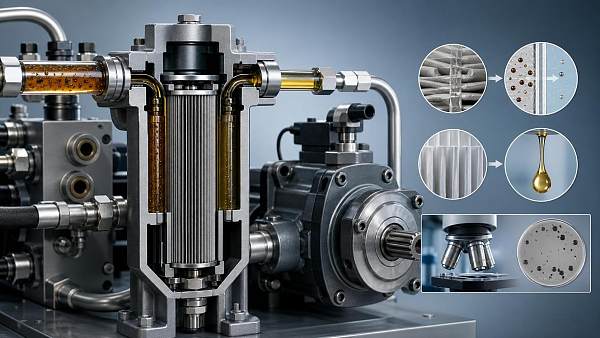
Many advanced systems fail for simple reasons: contaminated fluid, unstable temperature, poor hose routing, or inaccessible filters. Technical evaluators should verify filtration stage, reservoir design, sealing compatibility, and maintenance access. A sophisticated valve block cannot compensate for weak contamination discipline.
Minimum review checklist
- Confirm actual load range, not just nominal load.
- Map the duty cycle over 1 full production cycle.
- Review oil temperature profile during peak operation.
- Check sensor placement and signal quality.
- Validate service access for filters, seals, and test ports.
- Assess spare-parts lead times across at least 3 critical components.
Evaluate integration with broader industrial systems
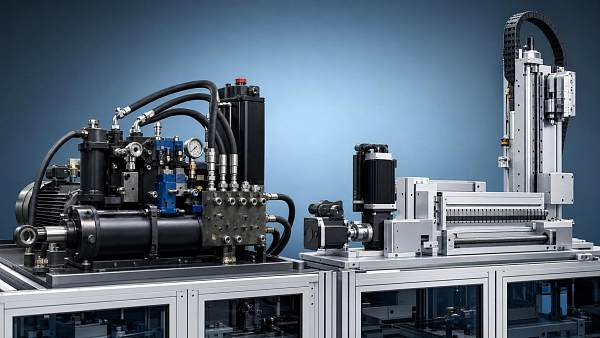
In modern plants, hydraulic performance cannot be isolated from automation, flow control, fastening reliability, material handling, and digital monitoring. For example, unstable hydraulic clamping can create downstream quality variation, while delayed sensor availability can affect commissioning timelines across an entire production cell.
This is where a supply-chain intelligence perspective matters. Technical evaluators should compare not only hydraulic performance but also standard compliance, cross-component compatibility, and long-term sourcing exposure for pumps, valves, cylinders, filtration elements, and electronic interfaces.
Implementation Risks, Maintenance Priorities, and Procurement Guidance
Even well-selected Advanced Hydraulic systems can lose value during implementation. Most failures occur in commissioning, contamination management, thermal control, or operator handover. A technically strong package needs practical deployment discipline from day 1 through the first 90 days of operation.
Commissioning risks to control early
Early commissioning should verify pressure settings, relief behavior, sensor calibration, response tuning, and air removal. If the system includes electro-hydraulic controls, teams should confirm signal stability under actual machine vibration and electrical noise. A stable factory acceptance test does not always predict field stability.
Maintenance priorities that protect ROI
The highest-value maintenance tasks are usually not the most complex. Regular filter replacement, oil cleanliness verification, leak inspection, hose condition review, and thermal trend monitoring often prevent the most expensive failures. In many plants, a disciplined monthly inspection routine can outperform a poorly executed “smart maintenance” program.
Procurement questions worth asking suppliers
Technical buyers should request evidence tied to operating conditions, not generic claims. Ask for pressure range suitability, expected maintenance intervals, service part availability, documentation depth, and integration support. Where possible, align component selection with recognized standards such as ISO, DIN, ASME, or relevant electrical interface requirements.
- What duty cycle was used to validate the proposed configuration?
- Which components are most likely to define replacement lead time?
- What is the recommended contamination control routine in operating hours?
- How does the system behave during pressure spikes, load reversal, or emergency stop?
- Which spare parts should be stocked locally for 12 months of operation?
Advanced Hydraulic delivers real gains when the application demands high force, loaded precision, variable-cycle efficiency, and stable uptime under harsh conditions. It creates less value when it is treated as a premium add-on without clear process need, maintenance discipline, or parts availability planning.
For technical evaluators, the best decisions come from linking hydraulic design to measurable production outcomes: lower downtime, controlled thermal behavior, stable accuracy, and manageable lifecycle cost across years rather than weeks. Organizations that combine component-level engineering review with supply-chain visibility are better positioned to avoid both under-specification and unnecessary complexity.
If you are assessing Advanced Hydraulic solutions for a new line, retrofit, or critical component sourcing program, contact us to discuss technical requirements, risk factors, and supply-chain considerations. You can also request a tailored evaluation framework or explore more solutions aligned with high-reliability industrial operations.
Recommended News
 Sep 30, 2026How to Evaluate Electro-Hydraulic Servo Response for High-Speed Motion ControlEvaluate electro-hydraulic servo response for high-speed motion control with practical metrics for bandwidth, settling time, stability, and reliable supplier selection.● Marcus Valve
 Sep 22, 2026Selecting High-Pressure Hydraulic Cylinders for Press Force, Stroke, and Duty CycleHigh-Pressure Hydraulic Cylinders for presses: match force, stroke, mounting, and duty cycle for safer, more reliable performance and reduced downtime.● Marcus Valve
 Sep 03, 2026How ASTM Stainless Steel Standards Help Prevent Corrosion Failures in Hydraulic SystemsStainless corrosion ASTM standards help prevent hydraulic failures through verified material selection, passivation, traceability, and targeted corrosion testing. Learn how to specify reliable systems.● Marcus Valve
 Aug 20, 2026How to Calculate a Safe Cylinder Buckling Safety Factor Under Real Load ConditionsCylinder buckling safety factor explained: learn how to calculate a reliable margin under real load conditions, including stroke, end fixity, misalignment, and dynamic forces.● Marcus Valve
 Jul 14, 2026Hydraulic Market Forecast 2026: Demand Drivers, Price Pressure, and Supply Chain RisksHydraulic market forecast 2026 reveals key demand drivers, price pressure, and supply chain risks across industrial sectors. Discover actionable insights for smarter sourcing and planning.● Marcus Valve
 Jul 13, 2026How to Evaluate ISO-Certified Hydraulic Components for Supplier ApprovalHydraulic components ISO certified supplier approval requires more than checking certificates. Learn how to verify traceability, testing, and supplier reliability for safer sourcing.● Marcus Valve
 Jul 13, 2026Environmental Hydraulic Fluid Compliance Explained: Standards, Labels, and Approval StepsEnvironmental hydraulic fluid compliance explained in a practical guide covering ISO 15380, labels, OEM approvals, and approval steps to reduce risk, delays, and sourcing mistakes.● Marcus Valve
 Jul 10, 2026Hydraulic Components for Construction Equipment: Which Parts Matter Most in System Design?Hydraulic components for construction equipment determine efficiency, control, uptime, and lifecycle cost. Discover which parts matter most in system design and how to choose smarter.● Marcus Valve
 Jul 10, 2026How to Evaluate a Heavy Duty Hydraulic Cylinder Manufacturer for Construction ProjectsHeavy duty hydraulic cylinder manufacturer selection affects uptime, safety, and cost. Learn how to compare quality, testing, documentation, and delivery strength for construction projects.● Marcus Valve
 Jul 09, 2026Hydraulic Cylinder Pressure Ratings Explained: How to Read PSI, Burst, and Working LimitsHydraulic cylinder pressure ratings explained clearly: learn how to read PSI, working pressure, and burst limits to choose safer, longer-lasting cylinders and avoid costly system failures.● Marcus Valve
 Jul 08, 2026What Does Filter Beta Ratio Mean in Europe and How Is It Used in Hydraulic Filtration?Filter beta ratio Europe explained: learn how beta ratings measure hydraulic filtration efficiency, support ISO-based comparisons, and help buyers choose reliable filters with confidence.● Marcus Valve
 Jul 02, 2026Steel Cylinder Buckling Load Explained: Formula, End Conditions, and Design LimitsSteel cylinder buckling load explained clearly: learn the Euler formula, end conditions, and real design limits to compare options, reduce risk, and choose safer, more reliable cylinder solutions.● Marcus Valve
 Jul 01, 2026Fluid Power vs Electric Actuation: Key Differences in Force, Control, and MaintenanceFluid Power vs electric actuation: compare force, control, energy use, and maintenance to choose the right system for uptime, precision, and lower lifecycle risk.● Marcus Valve
![]() Jun 04, 2026Hydraulic Manifold Block Factory Guide: What to Review Before Requesting a QuoteHydraulic manifold block factory selection starts before the quote. Learn what to review on machining, pressure testing, cleanliness, traceability, and lead times to compare suppliers with confidence.● Marcus Valve
Jun 04, 2026Hydraulic Manifold Block Factory Guide: What to Review Before Requesting a QuoteHydraulic manifold block factory selection starts before the quote. Learn what to review on machining, pressure testing, cleanliness, traceability, and lead times to compare suppliers with confidence.● Marcus Valve May 30, 2026Why does hydraulic automation in construction news matter?Hydraulic automation in construction news reveals how smarter equipment boosts safety, productivity, energy efficiency, and reliability—see what trends matter now.● Marcus Valve
 May 28, 2026How Advanced Hydraulic systems cut downtime in heavy useAdvanced Hydraulic systems help cut downtime in heavy-use operations by improving pressure stability, reducing wear, and enabling faster fault detection for more reliable project delivery.● Marcus Valve
 May 27, 2026How Advanced Hydraulic systems cut downtime in heavy useAdvanced Hydraulic systems reduce downtime in heavy-use operations through better pressure stability, cleaner fluid control, and predictive maintenance for higher uptime and safer performance.● Marcus Valve
 May 26, 2026How Advanced Hydraulic systems cut downtime in high-load linesAdvanced Hydraulic systems cut downtime in high-load lines by improving pressure stability, durability, and maintenance planning. Discover smarter ways to boost uptime and control project risk.● Marcus Valve
 May 25, 2026How Advanced Hydraulic systems cut downtime in heavy useAdvanced Hydraulic systems cut downtime in heavy-use operations with stable pressure, durable components, and smarter maintenance insights. Learn how to improve uptime and lower lifecycle costs.● Marcus Valve
 May 24, 2026How Advanced Hydraulic systems cut downtime in heavy useAdvanced Hydraulic systems cut downtime in heavy-use operations by improving pressure stability, filtration, and component life. See how smarter hydraulic design boosts uptime and lowers service risk.● Marcus Valve
 May 23, 2026High-Pressure Hydraulic Cylinders selection mistakes to avoidHigh-Pressure Hydraulic Cylinders selection mistakes can cause downtime, leaks, and safety risks. Learn 10 buyer-focused pitfalls to avoid for smarter sourcing and longer service life.● Marcus Valve
 May 22, 2026How to compare high-pressure hydraulic cylindersHigh-Pressure Hydraulic Cylinders comparison guide: evaluate pressure ratings, seal reliability, fatigue life, compliance, and lifecycle cost to choose safer, longer-lasting solutions.● Marcus Valve
 May 21, 2026How to judge High-Pressure Hydraulic Cylinders for safetyHigh-Pressure Hydraulic Cylinders safety starts with more than rated pressure. Learn how to assess materials, seals, fatigue, testing, and compliance for safer, longer-lasting performance.● Marcus Valve
 May 21, 2026How Advanced Hydraulic designs cut downtime in harsh dutyAdvanced Hydraulic design helps cut downtime in harsh-duty industries through better sealing, fatigue resistance, corrosion protection, and predictive maintenance insights.● Marcus Valve