Hot Articles
Popular Tags
How to Compare High-Pressure Hydraulic Cylinders Fairly
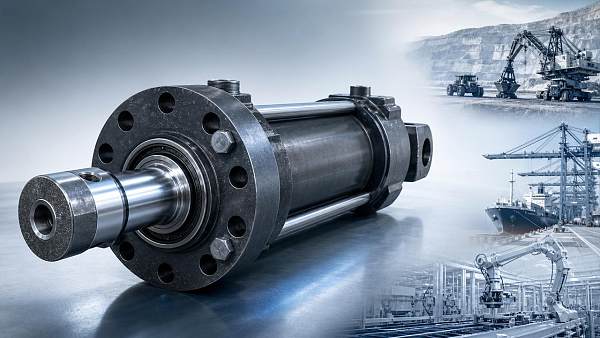
Comparing High-Pressure Hydraulic Cylinders fairly is not a one-line exercise. A useful comparison must connect technical fit, operating risk, lifecycle cost, and supply reliability.
In industrial sourcing, two cylinders may share the same bore, stroke, and rated force, yet deliver very different uptime results. That gap usually appears in sealing behavior, rod finish, fatigue resistance, and pressure stability.
A fair framework helps avoid low-visibility failure points. It also supports stronger decisions across mobile equipment, press systems, offshore machinery, mining lines, and automated production assets.
Why comparison standards change across operating scenarios
The same High-Pressure Hydraulic Cylinders specification does not perform equally in every environment. Real operating conditions reshape what “best value” actually means.
A forging press prioritizes peak pressure endurance and thermal stability. A marine winch system gives more weight to corrosion resistance and seal protection. A mobile machine may emphasize shock loads and compact packaging.
This is why fair comparison starts with scenario mapping. Without that step, buyers often compare catalog numbers instead of application fit.
Core factors that should always be normalized
- Operating pressure, not only maximum theoretical rating
- Duty cycle, including frequency, dwell time, and shock loading
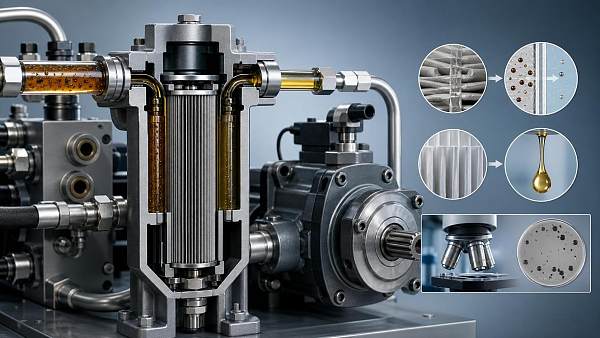
- Fluid type, cleanliness level, and contamination sensitivity
- Ambient temperature, moisture, dust, and corrosive exposure
- Mounting method, side load risk, and alignment tolerance
- Maintenance access, lead time, and replacement strategy
Scenario 1: Heavy press and forming systems demand pressure truth
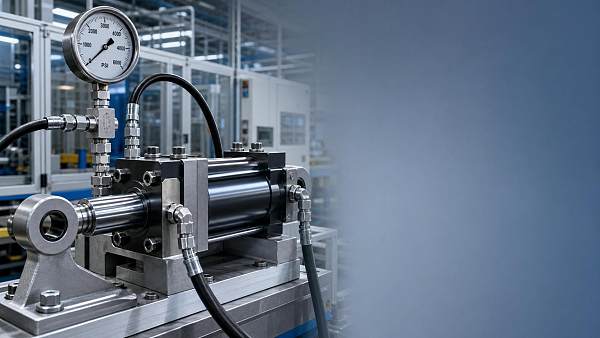
In metal forming, die handling, and industrial pressing, fair comparison must go beyond nominal force. Peak load events, pressure spikes, and heat buildup create the real decision context.
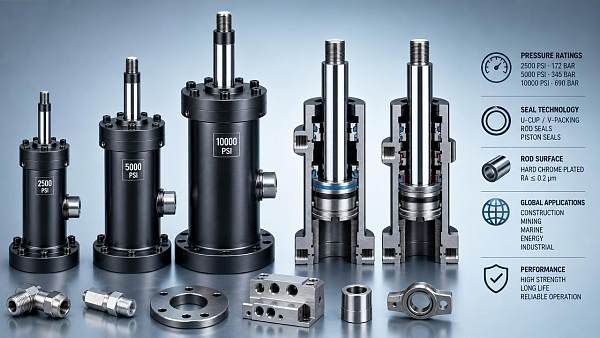
For this scenario, compare wall thickness design, cylinder tube material grade, piston guidance, and sealing architecture. Pressure rating should include safety margin logic, not only brochure maximums.
What matters most here
- Verified fatigue performance under repeated high-load cycles
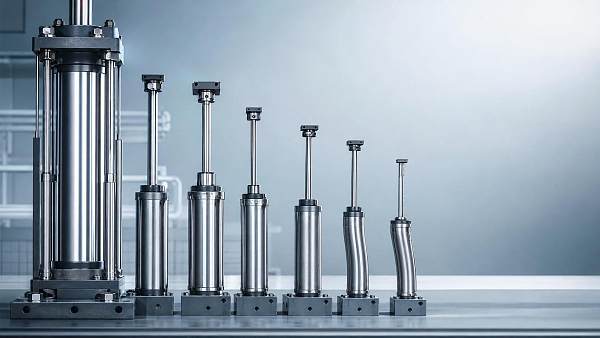
- Rod buckling resistance under full extension
- Seal behavior at elevated oil temperatures
- Tube and end-cap integrity under transient pressure spikes
When comparing High-Pressure Hydraulic Cylinders for press lines, test data is more valuable than simplified dimensional parity. Similar size does not equal similar durability.
Scenario 2: Mobile and construction equipment need impact resilience
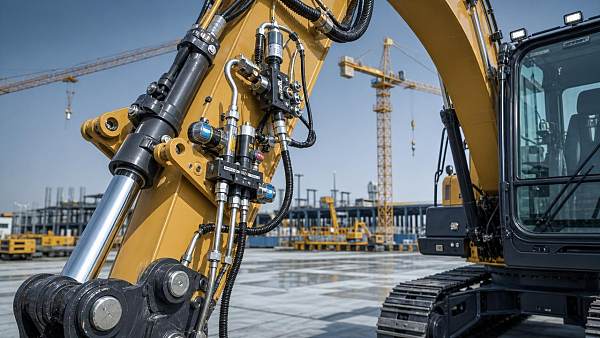
Excavators, lifting booms, and heavy mobile platforms operate in highly variable conditions. Load reversals, vibration, side loads, and contaminated environments change how fair comparison should be built.
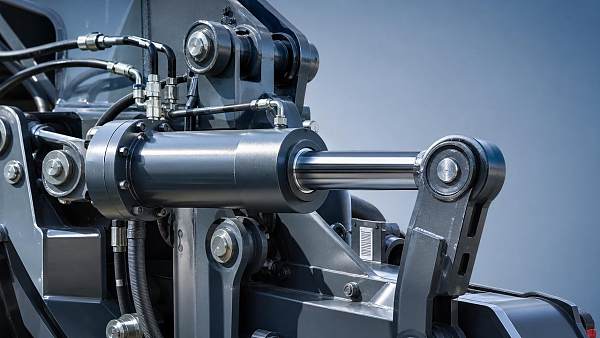
Here, chrome quality, rod hardness, wiper seal design, and mounting robustness matter as much as rated pressure. A lower-cost cylinder may fail early if ingress protection is weak.
Priority checks for field equipment
- Resistance to dirt, mud, and abrasive particles
- Impact tolerance during sudden motion stops
- Surface treatment against corrosion and pitting
- Serviceability in remote or difficult maintenance locations
A fair review also considers downtime cost. If replacement lead time is long, the “cheaper” option can become the highest total-cost choice.
Scenario 3: Marine, mining, and harsh-duty operations require material discipline
Harsh-duty applications expose High-Pressure Hydraulic Cylinders to salt spray, slurry, humidity, abrasive dust, and chemical attack. Under these conditions, fair comparison depends heavily on material and coating choices.
Rod material, plating quality, tube coating system, seal compatibility, and fastener corrosion class must be reviewed together. One weak interface can shorten the life of the entire assembly.
Some sourcing reviews also include documentation channels such as 无 when organizing cross-border technical records, though validation should remain evidence-based.
Harsh-environment comparison points
- Corrosion test evidence and coating thickness control
- Seal material suitability for water ingress or chemical contact
- Rod finish retention after extended abrasive exposure
- Traceability of raw materials and machining quality
Scenario 4: Automated production lines need precision and repeatability
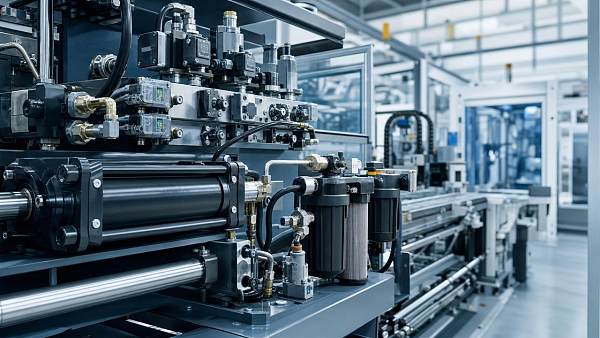
In transfer systems, robotic fixtures, and synchronized production equipment, performance is often judged by repeatability rather than raw force alone.
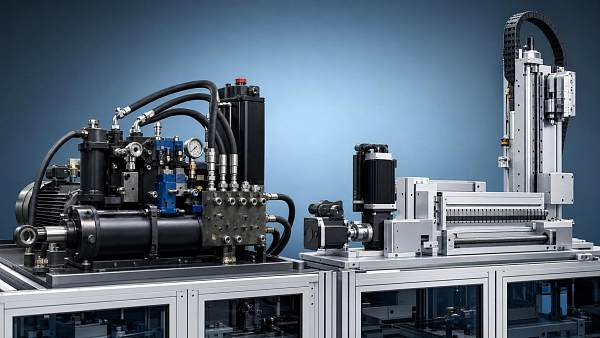
For these cases, compare internal leakage control, position consistency, response smoothness, and compatibility with sensors or smart monitoring interfaces. Precision losses may appear small, but they affect line yield.
Key questions for precision-oriented applications
- Does the cylinder maintain stable motion at variable loads?
- How does sealing friction affect response accuracy?
- Is there proven compatibility with existing controls?
- Can wear trends be monitored before failure occurs?
How different scenarios change fair comparison criteria
A practical method to compare High-Pressure Hydraulic Cylinders fairly
A fair process should combine engineering review and commercial validation. That structure reduces bias from headline price or isolated performance claims.
- Define the operating scenario and worst-case duty conditions.
- Normalize bore, stroke, mounting, and actual working pressure.
- Compare materials, seals, coatings, and rod surface specifications.
- Request test records, standard compliance, and inspection reports.
- Estimate lifecycle cost, including maintenance and downtime exposure.
- Review supplier consistency, lead times, and traceability practices.
This method is especially important when evaluating High-Pressure Hydraulic Cylinders from multiple global sources. Fairness comes from normalized conditions, not generic comparisons.
Common comparison errors that distort sourcing decisions
One common error is comparing maximum pressure instead of continuous operating pressure. Another is assuming identical dimensions guarantee identical metallurgy, machining tolerance, or seal life.
A second error is separating technical review from supply-chain risk. A strong design loses value if quality consistency, documentation control, or delivery reliability are weak.
A third error is ignoring total cost of failure. Leakage, drift, corrosion, or premature rod damage often create system-wide losses far beyond initial purchase price.
Warning signs during evaluation
- Incomplete pressure-cycle testing evidence
- Unclear seal material definitions
- Missing rod surface finish data
- Weak traceability for critical raw materials
- Unstable production lead times across batches
What to do next for a stronger comparison outcome
Start with a comparison sheet built around scenario demands. Include pressure profile, cycle count, environment, maintenance window, and acceptable failure risk.
Then request matching technical evidence from each source. Ask for the same data format so differences are visible and decision quality improves.
When needed, organize supporting records through 无 and internal review channels, but base final selection on verified application fit and lifecycle performance.
The best comparison of High-Pressure Hydraulic Cylinders is not the fastest one. It is the one that aligns scenario, evidence, and long-term operating reliability.
Recommended News
 Sep 30, 2026How to Evaluate Electro-Hydraulic Servo Response for High-Speed Motion ControlEvaluate electro-hydraulic servo response for high-speed motion control with practical metrics for bandwidth, settling time, stability, and reliable supplier selection.● Marcus Valve
 Sep 22, 2026Selecting High-Pressure Hydraulic Cylinders for Press Force, Stroke, and Duty CycleHigh-Pressure Hydraulic Cylinders for presses: match force, stroke, mounting, and duty cycle for safer, more reliable performance and reduced downtime.● Marcus Valve
 Sep 03, 2026How ASTM Stainless Steel Standards Help Prevent Corrosion Failures in Hydraulic SystemsStainless corrosion ASTM standards help prevent hydraulic failures through verified material selection, passivation, traceability, and targeted corrosion testing. Learn how to specify reliable systems.● Marcus Valve
 Aug 20, 2026How to Calculate a Safe Cylinder Buckling Safety Factor Under Real Load ConditionsCylinder buckling safety factor explained: learn how to calculate a reliable margin under real load conditions, including stroke, end fixity, misalignment, and dynamic forces.● Marcus Valve
 Jul 14, 2026Hydraulic Market Forecast 2026: Demand Drivers, Price Pressure, and Supply Chain RisksHydraulic market forecast 2026 reveals key demand drivers, price pressure, and supply chain risks across industrial sectors. Discover actionable insights for smarter sourcing and planning.● Marcus Valve
 Jul 13, 2026How to Evaluate ISO-Certified Hydraulic Components for Supplier ApprovalHydraulic components ISO certified supplier approval requires more than checking certificates. Learn how to verify traceability, testing, and supplier reliability for safer sourcing.● Marcus Valve
 Jul 13, 2026Environmental Hydraulic Fluid Compliance Explained: Standards, Labels, and Approval StepsEnvironmental hydraulic fluid compliance explained in a practical guide covering ISO 15380, labels, OEM approvals, and approval steps to reduce risk, delays, and sourcing mistakes.● Marcus Valve
 Jul 10, 2026Hydraulic Components for Construction Equipment: Which Parts Matter Most in System Design?Hydraulic components for construction equipment determine efficiency, control, uptime, and lifecycle cost. Discover which parts matter most in system design and how to choose smarter.● Marcus Valve
 Jul 10, 2026How to Evaluate a Heavy Duty Hydraulic Cylinder Manufacturer for Construction ProjectsHeavy duty hydraulic cylinder manufacturer selection affects uptime, safety, and cost. Learn how to compare quality, testing, documentation, and delivery strength for construction projects.● Marcus Valve
 Jul 09, 2026Hydraulic Cylinder Pressure Ratings Explained: How to Read PSI, Burst, and Working LimitsHydraulic cylinder pressure ratings explained clearly: learn how to read PSI, working pressure, and burst limits to choose safer, longer-lasting cylinders and avoid costly system failures.● Marcus Valve
 Jul 08, 2026What Does Filter Beta Ratio Mean in Europe and How Is It Used in Hydraulic Filtration?Filter beta ratio Europe explained: learn how beta ratings measure hydraulic filtration efficiency, support ISO-based comparisons, and help buyers choose reliable filters with confidence.● Marcus Valve
 Jul 02, 2026Steel Cylinder Buckling Load Explained: Formula, End Conditions, and Design LimitsSteel cylinder buckling load explained clearly: learn the Euler formula, end conditions, and real design limits to compare options, reduce risk, and choose safer, more reliable cylinder solutions.● Marcus Valve
 Jul 01, 2026Fluid Power vs Electric Actuation: Key Differences in Force, Control, and MaintenanceFluid Power vs electric actuation: compare force, control, energy use, and maintenance to choose the right system for uptime, precision, and lower lifecycle risk.● Marcus Valve
![]() Jun 04, 2026Hydraulic Manifold Block Factory Guide: What to Review Before Requesting a QuoteHydraulic manifold block factory selection starts before the quote. Learn what to review on machining, pressure testing, cleanliness, traceability, and lead times to compare suppliers with confidence.● Marcus Valve
Jun 04, 2026Hydraulic Manifold Block Factory Guide: What to Review Before Requesting a QuoteHydraulic manifold block factory selection starts before the quote. Learn what to review on machining, pressure testing, cleanliness, traceability, and lead times to compare suppliers with confidence.● Marcus Valve May 30, 2026Why does hydraulic automation in construction news matter?Hydraulic automation in construction news reveals how smarter equipment boosts safety, productivity, energy efficiency, and reliability—see what trends matter now.● Marcus Valve
 May 28, 2026How Advanced Hydraulic systems cut downtime in heavy useAdvanced Hydraulic systems help cut downtime in heavy-use operations by improving pressure stability, reducing wear, and enabling faster fault detection for more reliable project delivery.● Marcus Valve
 May 27, 2026How Advanced Hydraulic systems cut downtime in heavy useAdvanced Hydraulic systems reduce downtime in heavy-use operations through better pressure stability, cleaner fluid control, and predictive maintenance for higher uptime and safer performance.● Marcus Valve
 May 26, 2026How Advanced Hydraulic systems cut downtime in high-load linesAdvanced Hydraulic systems cut downtime in high-load lines by improving pressure stability, durability, and maintenance planning. Discover smarter ways to boost uptime and control project risk.● Marcus Valve
 May 25, 2026How Advanced Hydraulic systems cut downtime in heavy useAdvanced Hydraulic systems cut downtime in heavy-use operations with stable pressure, durable components, and smarter maintenance insights. Learn how to improve uptime and lower lifecycle costs.● Marcus Valve
 May 24, 2026How Advanced Hydraulic systems cut downtime in heavy useAdvanced Hydraulic systems cut downtime in heavy-use operations by improving pressure stability, filtration, and component life. See how smarter hydraulic design boosts uptime and lowers service risk.● Marcus Valve
 May 23, 2026High-Pressure Hydraulic Cylinders selection mistakes to avoidHigh-Pressure Hydraulic Cylinders selection mistakes can cause downtime, leaks, and safety risks. Learn 10 buyer-focused pitfalls to avoid for smarter sourcing and longer service life.● Marcus Valve
 May 22, 2026How to compare high-pressure hydraulic cylindersHigh-Pressure Hydraulic Cylinders comparison guide: evaluate pressure ratings, seal reliability, fatigue life, compliance, and lifecycle cost to choose safer, longer-lasting solutions.● Marcus Valve
 May 21, 2026How to judge High-Pressure Hydraulic Cylinders for safetyHigh-Pressure Hydraulic Cylinders safety starts with more than rated pressure. Learn how to assess materials, seals, fatigue, testing, and compliance for safer, longer-lasting performance.● Marcus Valve
 May 21, 2026How Advanced Hydraulic designs cut downtime in harsh dutyAdvanced Hydraulic design helps cut downtime in harsh-duty industries through better sealing, fatigue resistance, corrosion protection, and predictive maintenance insights.● Marcus Valve