Hot Articles
Popular Tags
How long do high-pressure hydraulic cylinders last?
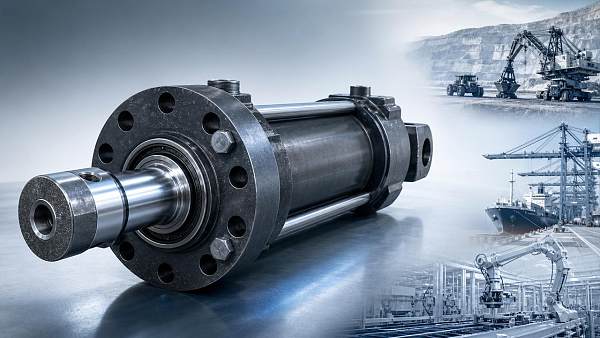
High-Pressure Hydraulic Cylinders are designed for severe force, repetitive motion, and continuous industrial duty. Yet service life is never fixed. It changes with pressure intensity, cycle frequency, contamination control, seal integrity, rod finish, installation accuracy, and maintenance discipline.
In modern industrial systems, cylinder longevity affects uptime, repair planning, safety exposure, and total ownership cost. A unit rated for extreme pressure may still fail early if side loading, fluid contamination, heat, or shock loads are ignored.
For technical evaluation, the better question is not only how long High-Pressure Hydraulic Cylinders last. The better question is which operating conditions preserve useful life, and which hidden variables shorten it without warning.
Service life fundamentals of High-Pressure Hydraulic Cylinders
High-Pressure Hydraulic Cylinders convert fluid power into linear force under demanding loads. Their lifespan is usually measured by operating hours, pressure cycles, or years in service, rather than by a single universal number.
In stable applications, well-engineered cylinders may operate for several years or millions of cycles. In harsh environments, failure can appear much earlier. Therefore, service life must be linked to duty profile, not catalog pressure alone.
The main wear zones are usually predictable:
- Rod seals and wipers exposed to contamination
- Piston seals stressed by pressure and temperature
- Rod surfaces vulnerable to pitting and scoring
- Tube bores affected by abrasion or poor lubrication
- Bearings and mounts damaged by misalignment
A practical benchmark is that cylinder life decreases when systems operate near maximum pressure for long periods, especially with high stroke frequency and uncontrolled heat generation.
Current industrial factors shaping cylinder longevity
Across the broader industrial landscape, attention has shifted from simple replacement intervals to lifecycle reliability. High-Pressure Hydraulic Cylinders are now assessed within a larger framework of supply continuity, maintenance data, and risk exposure.
Several industry signals explain this shift:
Because of these pressures, cylinder life is no longer judged only by the component itself. It is judged by the surrounding hydraulic ecosystem, service support, and quality consistency across borders.
Why published ratings are not enough
A pressure rating shows what a cylinder can withstand under defined conditions. It does not fully describe shock loading, side force, contaminated oil, poor filtration, aggressive chemicals, or frequent cold starts.
That is why two similar High-Pressure Hydraulic Cylinders can show very different service outcomes, even when installed on equipment with the same nominal pressure specification.
What most directly affects how long High-Pressure Hydraulic Cylinders last
Cylinder longevity is controlled by interacting mechanical and fluid-related variables. Some are visible during design. Others appear only after months of operation.
Pressure cycles and load pattern
Repeated full-pressure cycling accelerates fatigue in seals, rod threads, welded joints, and mounting points. Short spikes above design pressure can be more damaging than steady operation at lower levels.
Fluid cleanliness
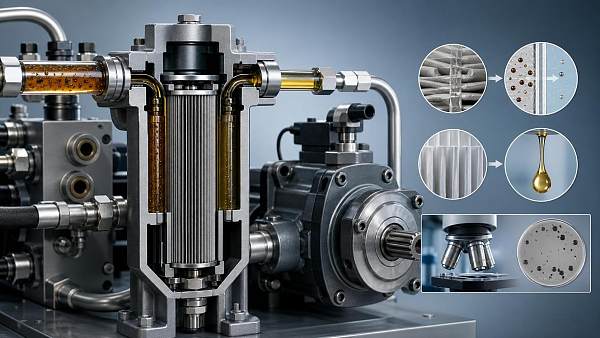
Contamination is one of the most common causes of early failure. Fine particles scratch rod surfaces, erode seals, and abrade internal bores. Better filtration often extends life more than a higher pressure rating does.
Seal material and compatibility
Seal compounds must match fluid chemistry, temperature range, and motion profile. A premium cylinder can still fail early if seals harden, swell, crack, or lose elasticity under real operating conditions.
Rod finish and corrosion resistance
Poor surface finish increases friction and seal wear. Corrosion pits on the rod quickly destroy sealing surfaces. In outdoor, marine, or washdown settings, rod coating quality becomes a major lifespan factor.
Alignment and side load
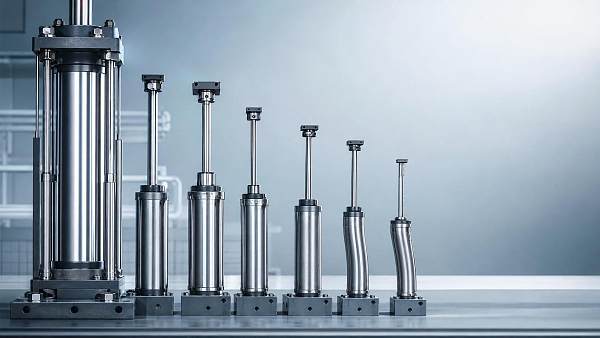
Hydraulic cylinders are strongest in axial loading. Off-center force bends rods, damages bearings, and causes uneven seal wear. Misalignment often looks minor at installation but becomes severe over repeated cycles.
Temperature control
Excess heat reduces fluid viscosity and accelerates seal aging. Low temperatures can increase brittleness and startup stress. Both extremes shorten the life of High-Pressure Hydraulic Cylinders.
Operational value of longer-lasting cylinders
Longer service life creates value beyond the cylinder body itself. It stabilizes production schedules, reduces emergency maintenance, and lowers the indirect cost of downtime across connected machinery.
In integrated production systems, one failed cylinder can halt pumps, presses, lifting assemblies, molding stations, or material handling lines. Therefore, durability has system-level business importance.
- Lower seal replacement frequency
- Reduced unplanned shutdown events
- Better maintenance forecasting
- More stable spare-parts planning
- Improved lifecycle cost visibility
This is especially relevant where global supply chains are fragmented. When replacement lead times grow, extending the life of existing High-Pressure Hydraulic Cylinders becomes a resilience strategy, not only a maintenance objective.
Typical service-life differences by application environment
Different sectors expose cylinders to very different wear mechanisms. Comparing these conditions helps explain why a single lifespan estimate can be misleading.
These examples show that expected life should always be matched to environment, duty cycle, and maintenance conditions instead of relying on generic service claims.
Practical methods to extend cylinder life
Improving the lifespan of High-Pressure Hydraulic Cylinders usually requires disciplined basics rather than dramatic redesign. Small corrections can produce major reliability gains.
- Maintain fluid cleanliness with appropriate filtration and sampling.
- Monitor actual pressure peaks, not only nominal system pressure.
- Inspect rods for scratches, corrosion, and plating damage.
- Verify mounting alignment during installation and after heavy impact events.
- Use seal materials proven for the fluid and temperature range.
- Control heat buildup through system tuning and cooling measures.
- Record cycle count, leakage trend, and rebuild history.
Warning signs of approaching failure
- External oil leakage around the rod seal
- Jerky motion or loss of positional smoothness
- Unusual noise under extension or retraction
- Visible rod scoring or rust spots
- Reduced force output or internal bypass symptoms
Detecting these signs early can prevent secondary damage to pumps, valves, hoses, and connected structures.
Technical evaluation path for sourcing and lifecycle planning
When comparing High-Pressure Hydraulic Cylinders, lifecycle assessment should go beyond bore size and pressure rating. A more reliable decision path includes engineering, maintenance, and supply-risk criteria together.
- Material traceability for rod, tube, and end caps
- Seal brand, compound data, and temperature limits
- Surface treatment specifications and corrosion resistance
- Rebuildability and spare-parts availability
- Testing standards, inspection records, and pressure validation
- Lead-time stability across international supply routes
This approach supports better forecasting of long-term cost, maintenance intervals, and operational resilience.
In summary, High-Pressure Hydraulic Cylinders can last for years or millions of cycles, but only when pressure exposure, contamination, alignment, temperature, and sealing are controlled together. Their true lifespan is built by system conditions, not by nameplate data alone.
A sound next step is to review current cylinder duty cycles, leakage history, fluid cleanliness records, and seal performance data. That evidence provides the clearest basis for extending life, reducing sourcing risk, and improving reliability planning.
Recommended News
 Sep 30, 2026How to Evaluate Electro-Hydraulic Servo Response for High-Speed Motion ControlEvaluate electro-hydraulic servo response for high-speed motion control with practical metrics for bandwidth, settling time, stability, and reliable supplier selection.● Marcus Valve
 Sep 22, 2026Selecting High-Pressure Hydraulic Cylinders for Press Force, Stroke, and Duty CycleHigh-Pressure Hydraulic Cylinders for presses: match force, stroke, mounting, and duty cycle for safer, more reliable performance and reduced downtime.● Marcus Valve
 Sep 03, 2026How ASTM Stainless Steel Standards Help Prevent Corrosion Failures in Hydraulic SystemsStainless corrosion ASTM standards help prevent hydraulic failures through verified material selection, passivation, traceability, and targeted corrosion testing. Learn how to specify reliable systems.● Marcus Valve
 Aug 20, 2026How to Calculate a Safe Cylinder Buckling Safety Factor Under Real Load ConditionsCylinder buckling safety factor explained: learn how to calculate a reliable margin under real load conditions, including stroke, end fixity, misalignment, and dynamic forces.● Marcus Valve
 Jul 14, 2026Hydraulic Market Forecast 2026: Demand Drivers, Price Pressure, and Supply Chain RisksHydraulic market forecast 2026 reveals key demand drivers, price pressure, and supply chain risks across industrial sectors. Discover actionable insights for smarter sourcing and planning.● Marcus Valve
 Jul 13, 2026How to Evaluate ISO-Certified Hydraulic Components for Supplier ApprovalHydraulic components ISO certified supplier approval requires more than checking certificates. Learn how to verify traceability, testing, and supplier reliability for safer sourcing.● Marcus Valve
 Jul 13, 2026Environmental Hydraulic Fluid Compliance Explained: Standards, Labels, and Approval StepsEnvironmental hydraulic fluid compliance explained in a practical guide covering ISO 15380, labels, OEM approvals, and approval steps to reduce risk, delays, and sourcing mistakes.● Marcus Valve
 Jul 10, 2026Hydraulic Components for Construction Equipment: Which Parts Matter Most in System Design?Hydraulic components for construction equipment determine efficiency, control, uptime, and lifecycle cost. Discover which parts matter most in system design and how to choose smarter.● Marcus Valve
 Jul 10, 2026How to Evaluate a Heavy Duty Hydraulic Cylinder Manufacturer for Construction ProjectsHeavy duty hydraulic cylinder manufacturer selection affects uptime, safety, and cost. Learn how to compare quality, testing, documentation, and delivery strength for construction projects.● Marcus Valve
 Jul 09, 2026Hydraulic Cylinder Pressure Ratings Explained: How to Read PSI, Burst, and Working LimitsHydraulic cylinder pressure ratings explained clearly: learn how to read PSI, working pressure, and burst limits to choose safer, longer-lasting cylinders and avoid costly system failures.● Marcus Valve
 Jul 08, 2026What Does Filter Beta Ratio Mean in Europe and How Is It Used in Hydraulic Filtration?Filter beta ratio Europe explained: learn how beta ratings measure hydraulic filtration efficiency, support ISO-based comparisons, and help buyers choose reliable filters with confidence.● Marcus Valve
 Jul 02, 2026Steel Cylinder Buckling Load Explained: Formula, End Conditions, and Design LimitsSteel cylinder buckling load explained clearly: learn the Euler formula, end conditions, and real design limits to compare options, reduce risk, and choose safer, more reliable cylinder solutions.● Marcus Valve
 Jul 01, 2026Fluid Power vs Electric Actuation: Key Differences in Force, Control, and MaintenanceFluid Power vs electric actuation: compare force, control, energy use, and maintenance to choose the right system for uptime, precision, and lower lifecycle risk.● Marcus Valve
![]() Jun 04, 2026Hydraulic Manifold Block Factory Guide: What to Review Before Requesting a QuoteHydraulic manifold block factory selection starts before the quote. Learn what to review on machining, pressure testing, cleanliness, traceability, and lead times to compare suppliers with confidence.● Marcus Valve
Jun 04, 2026Hydraulic Manifold Block Factory Guide: What to Review Before Requesting a QuoteHydraulic manifold block factory selection starts before the quote. Learn what to review on machining, pressure testing, cleanliness, traceability, and lead times to compare suppliers with confidence.● Marcus Valve May 30, 2026Why does hydraulic automation in construction news matter?Hydraulic automation in construction news reveals how smarter equipment boosts safety, productivity, energy efficiency, and reliability—see what trends matter now.● Marcus Valve
 May 28, 2026How Advanced Hydraulic systems cut downtime in heavy useAdvanced Hydraulic systems help cut downtime in heavy-use operations by improving pressure stability, reducing wear, and enabling faster fault detection for more reliable project delivery.● Marcus Valve
 May 27, 2026How Advanced Hydraulic systems cut downtime in heavy useAdvanced Hydraulic systems reduce downtime in heavy-use operations through better pressure stability, cleaner fluid control, and predictive maintenance for higher uptime and safer performance.● Marcus Valve
 May 26, 2026How Advanced Hydraulic systems cut downtime in high-load linesAdvanced Hydraulic systems cut downtime in high-load lines by improving pressure stability, durability, and maintenance planning. Discover smarter ways to boost uptime and control project risk.● Marcus Valve
 May 25, 2026How Advanced Hydraulic systems cut downtime in heavy useAdvanced Hydraulic systems cut downtime in heavy-use operations with stable pressure, durable components, and smarter maintenance insights. Learn how to improve uptime and lower lifecycle costs.● Marcus Valve
 May 24, 2026How Advanced Hydraulic systems cut downtime in heavy useAdvanced Hydraulic systems cut downtime in heavy-use operations by improving pressure stability, filtration, and component life. See how smarter hydraulic design boosts uptime and lowers service risk.● Marcus Valve
 May 23, 2026High-Pressure Hydraulic Cylinders selection mistakes to avoidHigh-Pressure Hydraulic Cylinders selection mistakes can cause downtime, leaks, and safety risks. Learn 10 buyer-focused pitfalls to avoid for smarter sourcing and longer service life.● Marcus Valve
 May 22, 2026How to compare high-pressure hydraulic cylindersHigh-Pressure Hydraulic Cylinders comparison guide: evaluate pressure ratings, seal reliability, fatigue life, compliance, and lifecycle cost to choose safer, longer-lasting solutions.● Marcus Valve
 May 21, 2026How to judge High-Pressure Hydraulic Cylinders for safetyHigh-Pressure Hydraulic Cylinders safety starts with more than rated pressure. Learn how to assess materials, seals, fatigue, testing, and compliance for safer, longer-lasting performance.● Marcus Valve
 May 21, 2026How Advanced Hydraulic designs cut downtime in harsh dutyAdvanced Hydraulic design helps cut downtime in harsh-duty industries through better sealing, fatigue resistance, corrosion protection, and predictive maintenance insights.● Marcus Valve