Hot Articles
Popular Tags
How to compare high-pressure hydraulic cylinders
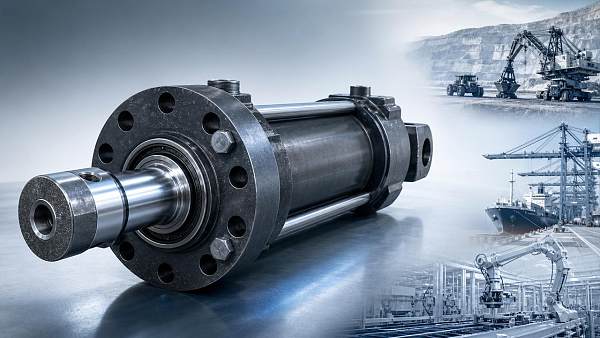
Selecting High-Pressure Hydraulic Cylinders is not a simple dimensional exercise. A sound comparison must connect pressure capability, structural safety, seal reliability, fatigue resistance, and global compliance into one evaluation framework.
In industrial systems, cylinder failure can stop presses, mobile equipment, offshore tools, and automated production assets. That is why High-Pressure Hydraulic Cylinders should be compared through both engineering data and supply-chain risk indicators.
This guide explains how to compare High-Pressure Hydraulic Cylinders using practical benchmarks. It focuses on performance, durability, mounting fit, lifecycle cost, and documentation quality for globally sourced critical components.
Core definition and comparison scope
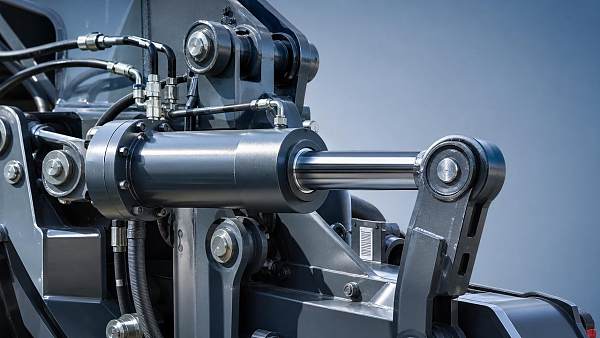
High-Pressure Hydraulic Cylinders convert fluid pressure into controlled linear force. They operate above standard duty ranges and are commonly used where compact force density, shock tolerance, and repeatable motion are essential.
When comparing High-Pressure Hydraulic Cylinders, the first task is defining the duty profile. Rated pressure alone is not enough. Real evaluation must include peak pressure, cycling frequency, side load, temperature, contamination, and installation constraints.
A useful comparison scope normally covers six dimensions:
- Pressure rating and safety margin
- Materials, heat treatment, and surface finish
- Seal system design and leakage control
- Rod strength, buckling resistance, and fatigue life
- Mounting geometry and integration compatibility
- Standards compliance, traceability, and service support
Without this wider scope, two cylinders with the same bore and stroke may perform very differently in actual service. The best choice is usually the one with the strongest fit to the full operating envelope.
Current industry signals shaping evaluation criteria
Across heavy industry, infrastructure, energy, and mobile machinery, expectations for High-Pressure Hydraulic Cylinders are changing. Buyers increasingly compare technical reliability together with regulatory readiness and sourcing resilience.
These signals explain why technical comparison has become more rigorous. High-Pressure Hydraulic Cylinders are now assessed as strategic uptime components, not just replaceable hardware.
Performance factors that separate similar High-Pressure Hydraulic Cylinders
Pressure rating and proof testing
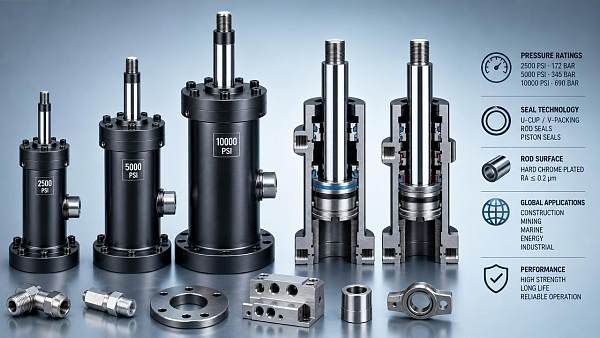
Start with nominal working pressure, but also verify proof pressure and burst pressure. A trustworthy supplier should distinguish continuous rating from short-term peak loading and explain the design safety factor.
Pressure data should be tied to test conditions. Check whether pressure ratings assume static loading, dynamic cycling, or shock events. This detail often decides whether High-Pressure Hydraulic Cylinders survive real field conditions.
Tube, rod, and end-cap materials
Cylinder body materials strongly affect pressure containment and fatigue life. Compare steel grade, heat treatment, yield strength, and machining quality. For rods, examine core strength, surface hardness, and corrosion-resistant plating or coating.
Poor material traceability creates hidden risk. High-Pressure Hydraulic Cylinders used in harsh duty should include mill certificates, hardness data, and process records for welding, honing, and surface treatment.
Seal architecture and fluid compatibility
Seal failure is one of the most common causes of hydraulic downtime. Compare rod seals, piston seals, wear rings, wipers, and backup rings as a complete system rather than isolated parts.
Seal material must match the fluid, pressure, speed, and temperature range. NBR, PU, PTFE, and FKM each offer different tradeoffs. The best High-Pressure Hydraulic Cylinders balance low leakage with low friction and strong extrusion resistance.
Fatigue life and side-load behavior
A cylinder that passes static pressure tests may still fail under repeated cycling. Evaluate expected cycle life, rod buckling margins, bearing support, and tolerance to side load or misalignment.
For demanding applications, ask for fatigue validation data. High-Pressure Hydraulic Cylinders in press lines, lifting systems, and mobile equipment should be compared using cyclic endurance, not only catalog pressure values.
Business value of a structured comparison method
A structured comparison reduces more than technical uncertainty. It also improves lifecycle cost forecasting, spare parts planning, and replacement standardization across plants, fleets, or multi-country projects.
When High-Pressure Hydraulic Cylinders are chosen only by unit price, hidden costs appear later. These include premature seal replacement, rod scoring, leakage cleanup, downtime, and inconsistent maintenance procedures.
By contrast, well-compared High-Pressure Hydraulic Cylinders can deliver measurable advantages:
- More predictable uptime under high load cycles
- Lower leakage and cleaner environmental performance
- Better interchangeability across global equipment platforms
- Reduced warranty disputes through clearer specifications
- Stronger documentation for audits and regulated industries
This value becomes especially important where hydraulic components support critical infrastructure, automated manufacturing, energy systems, and material handling operations that cannot tolerate unstable performance.
Typical categories and application-based comparison priorities
Not all High-Pressure Hydraulic Cylinders should be assessed in the same way. Application context determines which technical features deserve the highest weighting.
This application view helps rank suppliers more accurately. A cylinder ideal for mobile equipment may be less suitable for precision press duty, even if both share similar catalog dimensions.
Practical checks before final selection
Before approval, compare drawing details carefully. Review closed length, extended length, port size, mount style, rod end thread, cushioning options, and allowable tolerances. Small mismatches can create major integration problems.
Next, verify standards and documentation. High-Pressure Hydraulic Cylinders should come with clear pressure test records, material certificates, seal specifications, and dimensional drawings aligned with relevant ISO or DIN references.
Supplier capability also matters. Confirm whether spare seal kits, rod replacements, and repair support are available globally. Lead time reliability and revision control are important for long-service equipment programs.
Use the following checklist to compare High-Pressure Hydraulic Cylinders in a disciplined way:
- Define pressure, stroke, duty cycle, and environmental conditions.
- Compare rated, proof, and burst pressure data.
- Check material strength, coatings, and traceability documents.
- Review seal design for fluid and temperature compatibility.
- Confirm mounting geometry and rod buckling margins.
- Request fatigue or endurance validation where needed.
- Assess compliance with ISO, DIN, ASME, or project-specific standards.
- Compare lifecycle support, spare parts, and delivery stability.
Next-step framework for better sourcing decisions
The most effective way to compare High-Pressure Hydraulic Cylinders is to build a weighted scorecard. Assign values to pressure integrity, fatigue life, sealing, dimensions, compliance, serviceability, and supply-chain resilience.
This method supports more transparent decisions and makes technical tradeoffs easier to justify. It also creates a repeatable process for evaluating future cylinder replacements across multiple industrial categories.
For critical projects, request sample inspection reports, test evidence, and full drawing packages before release. High-Pressure Hydraulic Cylinders should always be judged as reliability components, not just commodity line items.
A careful comparison today can prevent leaks, failure events, and costly downtime later. With a structured benchmark, High-Pressure Hydraulic Cylinders can be selected with greater confidence, better lifecycle value, and stronger operational continuity.
Recommended News
 Sep 30, 2026How to Evaluate Electro-Hydraulic Servo Response for High-Speed Motion ControlEvaluate electro-hydraulic servo response for high-speed motion control with practical metrics for bandwidth, settling time, stability, and reliable supplier selection.● Marcus Valve
 Sep 22, 2026Selecting High-Pressure Hydraulic Cylinders for Press Force, Stroke, and Duty CycleHigh-Pressure Hydraulic Cylinders for presses: match force, stroke, mounting, and duty cycle for safer, more reliable performance and reduced downtime.● Marcus Valve
 Sep 03, 2026How ASTM Stainless Steel Standards Help Prevent Corrosion Failures in Hydraulic SystemsStainless corrosion ASTM standards help prevent hydraulic failures through verified material selection, passivation, traceability, and targeted corrosion testing. Learn how to specify reliable systems.● Marcus Valve
 Aug 20, 2026How to Calculate a Safe Cylinder Buckling Safety Factor Under Real Load ConditionsCylinder buckling safety factor explained: learn how to calculate a reliable margin under real load conditions, including stroke, end fixity, misalignment, and dynamic forces.● Marcus Valve
 Jul 14, 2026Hydraulic Market Forecast 2026: Demand Drivers, Price Pressure, and Supply Chain RisksHydraulic market forecast 2026 reveals key demand drivers, price pressure, and supply chain risks across industrial sectors. Discover actionable insights for smarter sourcing and planning.● Marcus Valve
 Jul 13, 2026How to Evaluate ISO-Certified Hydraulic Components for Supplier ApprovalHydraulic components ISO certified supplier approval requires more than checking certificates. Learn how to verify traceability, testing, and supplier reliability for safer sourcing.● Marcus Valve
 Jul 13, 2026Environmental Hydraulic Fluid Compliance Explained: Standards, Labels, and Approval StepsEnvironmental hydraulic fluid compliance explained in a practical guide covering ISO 15380, labels, OEM approvals, and approval steps to reduce risk, delays, and sourcing mistakes.● Marcus Valve
 Jul 10, 2026Hydraulic Components for Construction Equipment: Which Parts Matter Most in System Design?Hydraulic components for construction equipment determine efficiency, control, uptime, and lifecycle cost. Discover which parts matter most in system design and how to choose smarter.● Marcus Valve
 Jul 10, 2026How to Evaluate a Heavy Duty Hydraulic Cylinder Manufacturer for Construction ProjectsHeavy duty hydraulic cylinder manufacturer selection affects uptime, safety, and cost. Learn how to compare quality, testing, documentation, and delivery strength for construction projects.● Marcus Valve
 Jul 09, 2026Hydraulic Cylinder Pressure Ratings Explained: How to Read PSI, Burst, and Working LimitsHydraulic cylinder pressure ratings explained clearly: learn how to read PSI, working pressure, and burst limits to choose safer, longer-lasting cylinders and avoid costly system failures.● Marcus Valve
 Jul 08, 2026What Does Filter Beta Ratio Mean in Europe and How Is It Used in Hydraulic Filtration?Filter beta ratio Europe explained: learn how beta ratings measure hydraulic filtration efficiency, support ISO-based comparisons, and help buyers choose reliable filters with confidence.● Marcus Valve
 Jul 02, 2026Steel Cylinder Buckling Load Explained: Formula, End Conditions, and Design LimitsSteel cylinder buckling load explained clearly: learn the Euler formula, end conditions, and real design limits to compare options, reduce risk, and choose safer, more reliable cylinder solutions.● Marcus Valve
 Jul 01, 2026Fluid Power vs Electric Actuation: Key Differences in Force, Control, and MaintenanceFluid Power vs electric actuation: compare force, control, energy use, and maintenance to choose the right system for uptime, precision, and lower lifecycle risk.● Marcus Valve
![]() Jun 04, 2026Hydraulic Manifold Block Factory Guide: What to Review Before Requesting a QuoteHydraulic manifold block factory selection starts before the quote. Learn what to review on machining, pressure testing, cleanliness, traceability, and lead times to compare suppliers with confidence.● Marcus Valve
Jun 04, 2026Hydraulic Manifold Block Factory Guide: What to Review Before Requesting a QuoteHydraulic manifold block factory selection starts before the quote. Learn what to review on machining, pressure testing, cleanliness, traceability, and lead times to compare suppliers with confidence.● Marcus Valve May 30, 2026Why does hydraulic automation in construction news matter?Hydraulic automation in construction news reveals how smarter equipment boosts safety, productivity, energy efficiency, and reliability—see what trends matter now.● Marcus Valve
 May 28, 2026How Advanced Hydraulic systems cut downtime in heavy useAdvanced Hydraulic systems help cut downtime in heavy-use operations by improving pressure stability, reducing wear, and enabling faster fault detection for more reliable project delivery.● Marcus Valve
 May 27, 2026How Advanced Hydraulic systems cut downtime in heavy useAdvanced Hydraulic systems reduce downtime in heavy-use operations through better pressure stability, cleaner fluid control, and predictive maintenance for higher uptime and safer performance.● Marcus Valve
 May 26, 2026How Advanced Hydraulic systems cut downtime in high-load linesAdvanced Hydraulic systems cut downtime in high-load lines by improving pressure stability, durability, and maintenance planning. Discover smarter ways to boost uptime and control project risk.● Marcus Valve
 May 25, 2026How Advanced Hydraulic systems cut downtime in heavy useAdvanced Hydraulic systems cut downtime in heavy-use operations with stable pressure, durable components, and smarter maintenance insights. Learn how to improve uptime and lower lifecycle costs.● Marcus Valve
 May 24, 2026How Advanced Hydraulic systems cut downtime in heavy useAdvanced Hydraulic systems cut downtime in heavy-use operations by improving pressure stability, filtration, and component life. See how smarter hydraulic design boosts uptime and lowers service risk.● Marcus Valve
 May 23, 2026High-Pressure Hydraulic Cylinders selection mistakes to avoidHigh-Pressure Hydraulic Cylinders selection mistakes can cause downtime, leaks, and safety risks. Learn 10 buyer-focused pitfalls to avoid for smarter sourcing and longer service life.● Marcus Valve
 May 22, 2026How to compare high-pressure hydraulic cylindersHigh-Pressure Hydraulic Cylinders comparison guide: evaluate pressure ratings, seal reliability, fatigue life, compliance, and lifecycle cost to choose safer, longer-lasting solutions.● Marcus Valve
 May 21, 2026How to judge High-Pressure Hydraulic Cylinders for safetyHigh-Pressure Hydraulic Cylinders safety starts with more than rated pressure. Learn how to assess materials, seals, fatigue, testing, and compliance for safer, longer-lasting performance.● Marcus Valve
 May 21, 2026How Advanced Hydraulic designs cut downtime in harsh dutyAdvanced Hydraulic design helps cut downtime in harsh-duty industries through better sealing, fatigue resistance, corrosion protection, and predictive maintenance insights.● Marcus Valve