Hot Articles
Popular Tags
How Advanced Hydraulic designs cut downtime in harsh duty
In harsh-duty industries, lost uptime now carries a wider cost than repairs alone. It affects delivery reliability, safety exposure, maintenance planning, and asset confidence across connected operations.
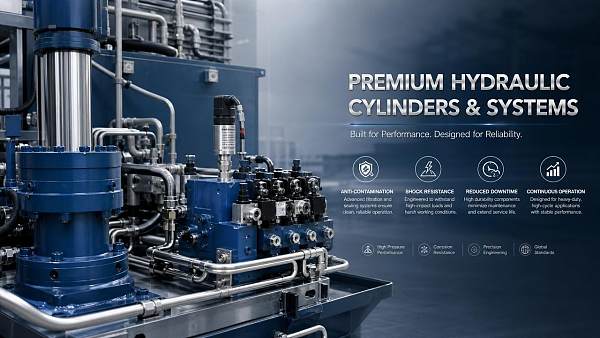
That shift has changed how Advanced Hydraulic systems are evaluated. Force output still matters, yet durability under contamination, pressure shock, corrosion, and nonstop cycling matters more.
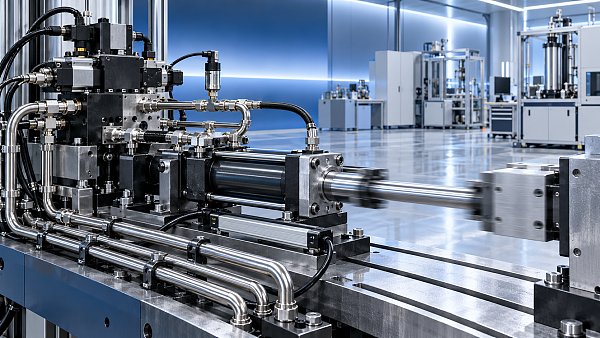
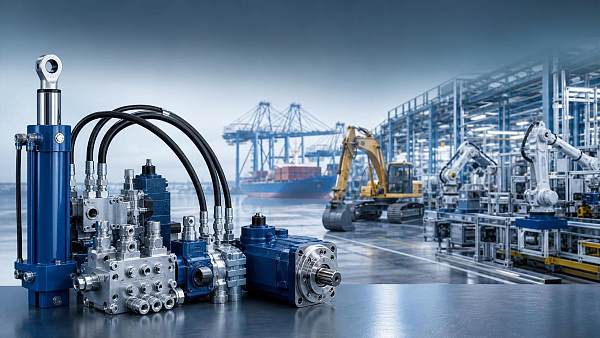
Across mining, marine, steel, energy, construction, and automated heavy handling, Advanced Hydraulic design has become a resilience decision. Better architecture cuts downtime before failure appears on site.
Why uptime expectations are rising for Advanced Hydraulic equipment
Industrial environments have become less forgiving. Equipment is pushed harder, maintenance windows are tighter, and component replacement is often delayed by global supply-chain complexity.
At the same time, digital maintenance platforms expose hidden performance losses. Small leaks, seal wear, or heat-related efficiency drops are now measurable and financially visible.
This is why Advanced Hydraulic systems are moving beyond standard cylinder and valve selection. The market increasingly favors designs that prevent failure modes, not just react to them.
Visible trend signals across heavy-duty applications
- Higher demand for contamination-tolerant hydraulic circuits
- Growth in corrosion-resistant rod, tube, and seal materials
- More use of pressure monitoring and predictive diagnostics
- Preference for modular serviceable components over sealed assemblies
- Stronger scrutiny of ISO, DIN, ASME, and fatigue performance data
The design shift is driven by failure prevention, not peak power
The strongest trend behind Advanced Hydraulic innovation is simple. Downtime usually starts with weak design details, not insufficient nominal force.
A cylinder may meet pressure requirements on paper. Yet poor sealing geometry, low rod protection, or unstable thermal behavior can still trigger early shutdowns.
Which Advanced Hydraulic design features cut downtime most effectively
Not every upgrade delivers equal uptime value. In harsh duty, several design choices consistently reduce unplanned stoppages and maintenance disruption.
Sealing systems now define service life
Advanced Hydraulic reliability often begins at the seal stack. High-performance seals must resist abrasion, temperature change, pressure cycling, and fluid incompatibility.
Dual-lip wipers, buffer seals, and material-matched primary seals reduce leakage and keep contaminants away from critical surfaces. That directly lowers emergency maintenance frequency.
Surface engineering matters more than base strength
Rod scoring and corrosion remain common failure triggers. Hardened chrome alternatives, thermal spray coatings, and advanced polishing improve wear resistance under dirty operating conditions.
For offshore, washdown, or chemical exposure, Advanced Hydraulic components need surface systems chosen for actual media, not generic corrosion claims.
Fatigue design is replacing static design assumptions
Many harsh-duty failures happen below rated maximum pressure. Repeated shock loads, side loads, and vibration produce fatigue damage long before overload is documented.
Advanced Hydraulic engineering increasingly uses fatigue-focused rod sizing, bearing support, weld quality control, and end-mount reinforcement to improve lifecycle stability.
Sensor-ready layouts support predictive maintenance
Integrated pressure, temperature, and position sensing helps detect drift early. That allows shutdown planning before leakage, cavitation, or heat damage expands into a system-level outage.
This is where Advanced Hydraulic design connects directly with intelligent supply-chain planning. Reliable condition data improves spare part timing and lowers stock uncertainty.
How these trends affect operations, maintenance, and sourcing decisions
The move toward Advanced Hydraulic resilience changes more than engineering drawings. It reshapes inspection intervals, spare strategy, qualification criteria, and lifecycle cost models.
A lower-cost component may still increase total cost when seal replacement, contamination failures, and unplanned stoppage are considered. Harsh-duty service punishes short-term selection logic.
- Maintenance teams gain from longer intervals and clearer fault signals.
- Operations benefit from more stable cycle times and fewer performance drifts.
- Sourcing functions need stronger validation of material, testing, and compliance claims.
- Capital planning improves when lifecycle data replaces unit-price comparison alone.
In integrated industrial networks, one failed hydraulic element can disrupt conveyors, presses, marine deck systems, mobile equipment, or automated handling cells. The impact often spreads beyond one machine.
What deserves closer attention when evaluating harsh-duty hydraulic upgrades
The next phase of Advanced Hydraulic adoption requires disciplined evaluation. Harsh-duty performance should be verified through design evidence, not broad durability statements.
Core checkpoints with practical value
- Seal material compatibility with actual fluid chemistry and temperature range
- Rod coating performance under abrasion, salt, moisture, and impact exposure
- Pressure spike tolerance, cushioning logic, and fatigue test evidence
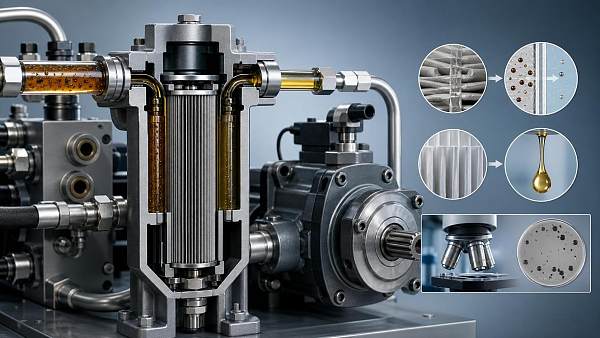
- Filtration recommendations tied to contamination class targets
- Sensor integration options for predictive maintenance platforms
- Repairability, seal kit access, and spare part lead-time stability
- Conformance to relevant ISO, DIN, ASME, or application-specific standards
Advanced Hydraulic systems should also be reviewed in context. A strong cylinder cannot compensate for poor hose routing, undersized valves, unstable filtration, or excessive heat buildup.
A practical path for reducing downtime over the next operating cycle
The best response is phased, not reactive. Advanced Hydraulic improvement works when design review, field data, and service planning are connected.
This approach reflects a broader industrial trend. Advanced Hydraulic value is no longer measured by component output alone, but by contribution to total reliability.
Where harsh-duty equipment faces contamination, corrosion, and nonstop cycles, resilient hydraulic design becomes a strategic uptime tool. Better engineering decisions today prevent cascading downtime tomorrow.
The next practical move is to review current hydraulic weak points against duty conditions, fatigue exposure, and maintenance history. That comparison often reveals where Advanced Hydraulic upgrades will deliver the fastest operational return.
Recommended News
 Sep 30, 2026How to Evaluate Electro-Hydraulic Servo Response for High-Speed Motion ControlEvaluate electro-hydraulic servo response for high-speed motion control with practical metrics for bandwidth, settling time, stability, and reliable supplier selection.● Marcus Valve
 Sep 22, 2026Selecting High-Pressure Hydraulic Cylinders for Press Force, Stroke, and Duty CycleHigh-Pressure Hydraulic Cylinders for presses: match force, stroke, mounting, and duty cycle for safer, more reliable performance and reduced downtime.● Marcus Valve
 Sep 03, 2026How ASTM Stainless Steel Standards Help Prevent Corrosion Failures in Hydraulic SystemsStainless corrosion ASTM standards help prevent hydraulic failures through verified material selection, passivation, traceability, and targeted corrosion testing. Learn how to specify reliable systems.● Marcus Valve
 Aug 20, 2026How to Calculate a Safe Cylinder Buckling Safety Factor Under Real Load ConditionsCylinder buckling safety factor explained: learn how to calculate a reliable margin under real load conditions, including stroke, end fixity, misalignment, and dynamic forces.● Marcus Valve
 Jul 14, 2026Hydraulic Market Forecast 2026: Demand Drivers, Price Pressure, and Supply Chain RisksHydraulic market forecast 2026 reveals key demand drivers, price pressure, and supply chain risks across industrial sectors. Discover actionable insights for smarter sourcing and planning.● Marcus Valve
 Jul 13, 2026How to Evaluate ISO-Certified Hydraulic Components for Supplier ApprovalHydraulic components ISO certified supplier approval requires more than checking certificates. Learn how to verify traceability, testing, and supplier reliability for safer sourcing.● Marcus Valve
 Jul 13, 2026Environmental Hydraulic Fluid Compliance Explained: Standards, Labels, and Approval StepsEnvironmental hydraulic fluid compliance explained in a practical guide covering ISO 15380, labels, OEM approvals, and approval steps to reduce risk, delays, and sourcing mistakes.● Marcus Valve
 Jul 10, 2026Hydraulic Components for Construction Equipment: Which Parts Matter Most in System Design?Hydraulic components for construction equipment determine efficiency, control, uptime, and lifecycle cost. Discover which parts matter most in system design and how to choose smarter.● Marcus Valve
 Jul 10, 2026How to Evaluate a Heavy Duty Hydraulic Cylinder Manufacturer for Construction ProjectsHeavy duty hydraulic cylinder manufacturer selection affects uptime, safety, and cost. Learn how to compare quality, testing, documentation, and delivery strength for construction projects.● Marcus Valve
 Jul 09, 2026Hydraulic Cylinder Pressure Ratings Explained: How to Read PSI, Burst, and Working LimitsHydraulic cylinder pressure ratings explained clearly: learn how to read PSI, working pressure, and burst limits to choose safer, longer-lasting cylinders and avoid costly system failures.● Marcus Valve
 Jul 08, 2026What Does Filter Beta Ratio Mean in Europe and How Is It Used in Hydraulic Filtration?Filter beta ratio Europe explained: learn how beta ratings measure hydraulic filtration efficiency, support ISO-based comparisons, and help buyers choose reliable filters with confidence.● Marcus Valve
 Jul 02, 2026Steel Cylinder Buckling Load Explained: Formula, End Conditions, and Design LimitsSteel cylinder buckling load explained clearly: learn the Euler formula, end conditions, and real design limits to compare options, reduce risk, and choose safer, more reliable cylinder solutions.● Marcus Valve
 Jul 01, 2026Fluid Power vs Electric Actuation: Key Differences in Force, Control, and MaintenanceFluid Power vs electric actuation: compare force, control, energy use, and maintenance to choose the right system for uptime, precision, and lower lifecycle risk.● Marcus Valve
![]() Jun 04, 2026Hydraulic Manifold Block Factory Guide: What to Review Before Requesting a QuoteHydraulic manifold block factory selection starts before the quote. Learn what to review on machining, pressure testing, cleanliness, traceability, and lead times to compare suppliers with confidence.● Marcus Valve
Jun 04, 2026Hydraulic Manifold Block Factory Guide: What to Review Before Requesting a QuoteHydraulic manifold block factory selection starts before the quote. Learn what to review on machining, pressure testing, cleanliness, traceability, and lead times to compare suppliers with confidence.● Marcus Valve May 30, 2026Why does hydraulic automation in construction news matter?Hydraulic automation in construction news reveals how smarter equipment boosts safety, productivity, energy efficiency, and reliability—see what trends matter now.● Marcus Valve
 May 28, 2026How Advanced Hydraulic systems cut downtime in heavy useAdvanced Hydraulic systems help cut downtime in heavy-use operations by improving pressure stability, reducing wear, and enabling faster fault detection for more reliable project delivery.● Marcus Valve
 May 27, 2026How Advanced Hydraulic systems cut downtime in heavy useAdvanced Hydraulic systems reduce downtime in heavy-use operations through better pressure stability, cleaner fluid control, and predictive maintenance for higher uptime and safer performance.● Marcus Valve
 May 26, 2026How Advanced Hydraulic systems cut downtime in high-load linesAdvanced Hydraulic systems cut downtime in high-load lines by improving pressure stability, durability, and maintenance planning. Discover smarter ways to boost uptime and control project risk.● Marcus Valve
 May 25, 2026How Advanced Hydraulic systems cut downtime in heavy useAdvanced Hydraulic systems cut downtime in heavy-use operations with stable pressure, durable components, and smarter maintenance insights. Learn how to improve uptime and lower lifecycle costs.● Marcus Valve
 May 24, 2026How Advanced Hydraulic systems cut downtime in heavy useAdvanced Hydraulic systems cut downtime in heavy-use operations by improving pressure stability, filtration, and component life. See how smarter hydraulic design boosts uptime and lowers service risk.● Marcus Valve
 May 23, 2026High-Pressure Hydraulic Cylinders selection mistakes to avoidHigh-Pressure Hydraulic Cylinders selection mistakes can cause downtime, leaks, and safety risks. Learn 10 buyer-focused pitfalls to avoid for smarter sourcing and longer service life.● Marcus Valve
 May 22, 2026How to compare high-pressure hydraulic cylindersHigh-Pressure Hydraulic Cylinders comparison guide: evaluate pressure ratings, seal reliability, fatigue life, compliance, and lifecycle cost to choose safer, longer-lasting solutions.● Marcus Valve
 May 21, 2026How to judge High-Pressure Hydraulic Cylinders for safetyHigh-Pressure Hydraulic Cylinders safety starts with more than rated pressure. Learn how to assess materials, seals, fatigue, testing, and compliance for safer, longer-lasting performance.● Marcus Valve
 May 21, 2026How Advanced Hydraulic designs cut downtime in harsh dutyAdvanced Hydraulic design helps cut downtime in harsh-duty industries through better sealing, fatigue resistance, corrosion protection, and predictive maintenance insights.● Marcus Valve