Hot Articles
Popular Tags
Aerospace Fasteners: What Causes Fit Issues Across Lots?
Why do Aerospace Fasteners show fit variation across lots?
In aerospace manufacturing, tiny dimensional shifts can stop an assembly line, distort torque values, and raise audit findings.
That is why lot-to-lot consistency in Aerospace Fasteners matters far beyond simple installation convenience.
A fastener may meet drawing limits, yet still feel tight, loose, or unstable during actual assembly.
These fit issues often result from cumulative variation, not one dramatic defect.
Material chemistry, forming tools, thread gauges, coatings, and storage conditions can all shift the final mating behavior.
For critical programs, understanding those causes helps protect interchangeability, clamp load repeatability, and airworthiness documentation.
What does “fit across lots” actually mean for Aerospace Fasteners?
Fit is not only whether a screw enters a nut or tapped hole.
In Aerospace Fasteners, fit includes pitch diameter interaction, prevailing torque response, flank contact, seating behavior, and removal consistency.
Two lots can pass dimensional inspection but behave differently during installation.
One lot may run smoothly with predictable torque.
Another may bind early, gall, or require higher drive force before clamp load develops.
This happens because fit is influenced by the full tolerance stack, not one nominal dimension.
- Major, minor, and pitch diameter variation
- Thread lead and flank angle deviation
- Head seating geometry changes
- Coating thickness and lubrication differences
- Distortion after heat treatment
When lots come from different machines, tools, or processing windows, fit can drift even within specification limits.
How do raw material and heat treatment affect lot-to-lot fit?
Material behavior is a hidden driver of inconsistent Aerospace Fasteners.
Different melt sources, grain flow response, and hardness outcomes can change forming accuracy.
Even approved alloys can react differently during cold heading or thread rolling.
Softer wire may form broader thread crests.
Harder input material may spring back more, shifting pitch diameter after rolling.
Heat treatment adds another layer of risk.
If quench severity, furnace loading, or temper uniformity changes, distortion can appear lot by lot.
This is especially important for long, slender, or fine-thread parts.
A slight bow, ovality, or thread flank deformation may not seem severe on paper.
However, the mating part will detect that difference immediately during installation.
Traceability to material lot and thermal cycle is therefore essential.
Practical control points
- Lock alloy source and wire form characteristics
- Monitor incoming hardness and microstructure
- Control furnace load patterns consistently
- Review straightness and thread form after tempering
- Compare pre- and post-heat-treatment gauge results
Can thread tolerances and gauging explain inconsistent fit?
Yes, and this is one of the most common reasons Aerospace Fasteners vary across lots.
Many teams focus on pass or fail gauges alone.
That approach can miss how close each lot sits to the edge of the tolerance band.
If one lot trends near maximum material condition and another trends near minimum, assembly feel changes.
The parts may still comply with ASME, ISO, or aerospace drawing requirements.
But the practical mating condition may differ sharply.
Gauge wear also matters.
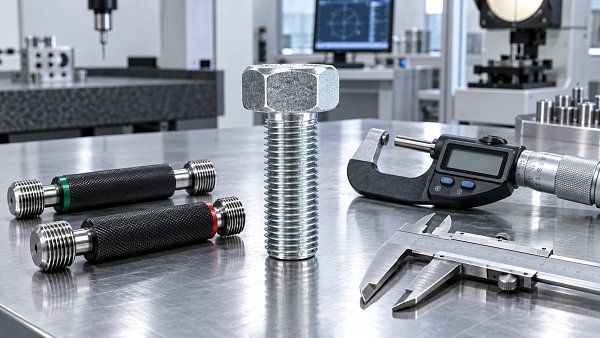
A worn ring gauge or plug gauge can gradually accept threads that would once have been rejected.
Lead variation, flank angle error, and taper can hide behind basic go or no-go checks.
For precision Aerospace Fasteners, variable data is more useful than simple attribute inspection.
Some programs also review process capability by machine and tool station, not only final inspection records.
In a broader sourcing environment, technical references or support pages such as 无 may be used to organize specification review trails.
How do plating, lubrication, and surface condition change fit?
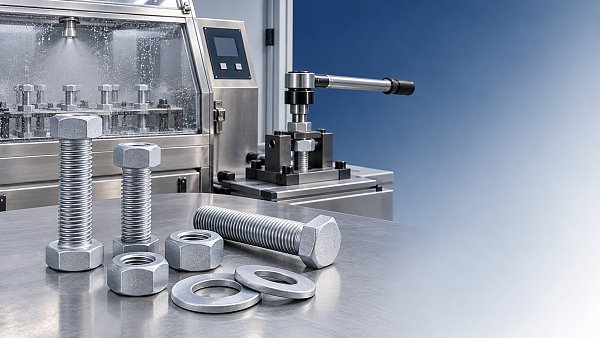
Surface finishing is a major cause of lot-to-lot fit shifts in Aerospace Fasteners.
A coating that is slightly thicker than target can narrow internal threads or enlarge external thread contact.
The result is higher insertion torque, earlier interference, or inconsistent prevailing torque values.
Cadmium alternatives, zinc-nickel systems, dry film lubricants, passivation layers, and sealants all affect final geometry and friction.
Build-up is rarely perfectly uniform across roots, flanks, and crests.
That unevenness can make one lot feel rough even if dimensions are nominally acceptable.
Surface contamination adds another variable.
Residual blasting media, trapped chemistry, or poor rinsing may alter friction and mating response.
When fit is assessed only dry or only by hand, these factors can be underestimated.
For Aerospace Fasteners, verify both dimensional effect and torque effect after finishing.
Common finishing-related warning signs
- Sudden rise in installation torque between approved lots
- Visible color variation across the same batch
- Uneven lubricant appearance on thread flanks
- Different feel between first and repeated installation
- Pass gauges, but poor mating in actual hardware
What process control gaps usually create repeat fit problems?
Most repeated fit issues come from process drift, not isolated operator mistakes.
Tool wear is a frequent source.
Thread rolling dies, heading punches, and trimming tools gradually change the produced geometry.
If replacement triggers are too wide, later lots will install differently from early lots.
Machine setup variation is another issue.
Even with the same part number, different production cells may hold different process centers.
Lot segmentation can hide this pattern unless inspection results are tied to machine history.
Packaging and storage can also affect apparent fit.
Minor thread damage, handling dents, or corrosion onset can change mating feel before installation begins.
For high-value programs, control plans should include:
- Tool life limits by feature sensitivity
- Variable measurement trends, not only gauge status
- First-off and last-off lot comparison
- Post-finish functional mating trials
- Storage condition verification and shelf-life review
Documentation systems sometimes connect these checkpoints with internal references like 无 for specification continuity.
How should fit issues be evaluated before they become assembly or compliance risks?
The best approach combines inspection data with functional evidence.
A lot that barely passes dimensions may still deserve review if installation torque trends shift.
Likewise, a visually clean lot may contain process-centered variation that standard receiving checks miss.
A practical evaluation sequence is often more reliable than isolated tests.
This type of review helps prevent unnecessary rejection while still protecting safety and consistency.
What is the smartest next step when Aerospace Fasteners show cross-lot fit differences?
Do not treat every fit complaint as a simple inspection dispute.
Start with comparative evidence from at least two lots, using the same mating hardware and method.
Then map the difference across material batch, forming station, heat treatment record, finishing line, and gauge history.
For Aerospace Fasteners, stable interchangeability usually comes from process discipline, not tighter drawings alone.
The most effective programs combine dimensional capability, functional fit validation, and full lot traceability.
When those controls are aligned, cross-lot variation becomes measurable, explainable, and far easier to prevent.
If fit drift appears repeatedly, review supplier control plans, request variable data, and validate post-finish assembly behavior before release.
That step reduces rework, shortens troubleshooting cycles, and supports more reliable airworthiness outcomes.
Recommended News
 Oct 12, 2026How to Specify Low-VOC Fastener Coatings for Corrosion Protection and ComplianceLow VOC fastener coating specification guide: balance corrosion resistance, torque control, VOC compliance, and supplier validation for reliable assemblies.● Dr. Aris Alloy
 Oct 08, 2026Selecting Precision Fasteners for Semiconductor Equipment Vacuum and Cleanroom ServicePrecision Fasteners for semiconductor equipment: learn how to select vacuum- and cleanroom-ready hardware for reliable preload, low contamination, and long-term serviceability.● Dr. Aris Alloy
 Oct 04, 2026Selecting Stainless Micro Screws for Corrosion Resistance and Precision AssemblyStainless micro screws guide: choose corrosion-resistant alloys, precision threads, and reliable drive designs for demanding assemblies. Explore key selection tips.● Dr. Aris Alloy
 Oct 04, 2026How Do You Verify Precision Fastener Tolerances From a Datasheet?How do I verify precision fastener tolerances from a datasheet? Learn the key checks for thread class, dimensions, coatings, materials, and inspection methods.● Dr. Aris Alloy
 Sep 15, 2026Selecting Threaded Rods for Construction: Load, Corrosion, and Code RequirementsThreaded rods for construction: learn how to match load paths, corrosion protection, installation details, and code requirements for safer, compliant connections.● Dr. Aris Alloy
 Aug 16, 2026What Makes a High Strength Alloy Suitable for Aerospace Parts?High strength alloy for aerospace selection depends on more than tensile strength. Learn how fatigue, corrosion, heat, and manufacturability determine safer, lighter parts.● Dr. Aris Alloy
 Jul 26, 2026How Strong Are 3D Printed Fasteners in Load-Bearing Assemblies?3d printed fastener strength explained for load-bearing assemblies: learn where printed bolts work, where they fail, and how to choose safer, smarter fastening options.● Dr. Aris Alloy
 Jul 22, 2026How to Evaluate a Blind Bolt Custom OEM Partner for Aerospace Fastener ProjectsBlind bolt custom OEM sourcing for aerospace demands more than price. Learn how to assess quality systems, material traceability, engineering support, and supply stability before choosing a partner.● Dr. Aris Alloy
 Jul 18, 2026Salt Spray Hours for Fasteners: How to Compare Coatings and Corrosion ResistanceSalt spray hours fasteners explained: compare coatings, test limits, and real corrosion resistance to choose the right finish for longer service life and smarter sourcing.● Dr. Aris Alloy
 Jul 15, 2026Precision Fasteners Cost Factors: Materials, Tolerances, Finishes, and Order VolumePrecision Fasteners cost factors explained: compare materials, tolerances, finishes, and order volume to reduce sourcing risk, control total cost, and make smarter buying decisions.● Dr. Aris Alloy
 Jul 14, 2026How to Read a Titanium Alloy Weight Chart for Fastener and Aerospace Part SelectionTitanium alloy weight chart guide for fastener and aerospace part selection. Learn how to compare grade, density, dimensions, and standards to reduce sourcing risk.● Dr. Aris Alloy
 Jul 12, 2026How to Read Fastener Vibration Test Data for Joint Reliability DecisionsFastener vibration test data explained for smarter joint reliability decisions. Learn how to assess preload loss, residual clamp load, and test validity before sourcing or design approval.● Dr. Aris Alloy
 Jul 09, 2026Fastener Coating Cost Breakdown: What Changes Price by Material, Finish, and VolumeFastener coating cost explained: see how material, finish, volume, geometry, and compliance affect pricing, and learn how to compare quotes smarter while controlling total sourcing cost.● Dr. Aris Alloy
 Jul 06, 2026Self Tapping Industrial Screws: Types, Materials, and When to Use EachSelf tapping Industrial Screws guide: compare thread-forming, thread-cutting, and self-drilling types, materials, and best-use scenarios to choose faster, stronger, more reliable assemblies.● Dr. Aris Alloy
 Jul 05, 2026High-Tensile Bolts ASTM: How to Read Grades, Strength Classes, and Spec RequirementsHigh-Tensile Bolts ASTM guide: learn how to read grades, strength classes, specs, markings, and certificates to avoid sourcing mistakes and choose compliant bolts with confidence.● Dr. Aris Alloy
 Jul 04, 2026Stainless Automotive Fasteners Manufacturer: What Certifications and Materials Matter Most?Stainless automotive fasteners manufacturer selection starts with certifications, traceability, and the right alloys. Learn what matters most for reliable, compliant sourcing.● Dr. Aris Alloy
 Jul 03, 2026Fastener Price Trend 2026: What Steel Costs, Freight, and Demand Mean for BuyersFastener price trend 2026 explained: see how steel costs, freight volatility, and uneven demand may affect budgets, lead times, and sourcing decisions—so buyers can plan smarter.● Dr. Aris Alloy
 Jul 02, 2026Why Smart Fastener Battery Life Drops Early and How to Extend Service IntervalsSmart fastener battery life dropping too soon? Learn the real causes behind early drain and discover practical ways to extend service intervals without sacrificing monitoring accuracy.● Dr. Aris Alloy
 Jun 28, 2026Marine Grade Stainless Corrosion: What Causes It and How to Prevent Tea StainingMarine grade stainless corrosion often starts with tea staining. Learn the real causes, high-risk environments, and practical prevention steps to protect performance and cut lifecycle costs.● Dr. Aris Alloy
 Jun 26, 2026How to Choose Vibration-Resistant Fasteners for Aerospace AssembliesVibration-Resistant Fasteners for aerospace help protect critical assemblies from loosening, corrosion, and fatigue. Learn how to choose the right solution for safer, longer-lasting performance.● Dr. Aris Alloy
 Jun 23, 2026Fastener Hardness Explained: When to Use Rockwell vs Vickers TestingFastener hardness (Rockwell/Vickers) explained: learn when to use Rockwell for fast production checks and Vickers for precise surface analysis to improve quality, compliance, and reliability.● Dr. Aris Alloy
 Jun 15, 2026Wholesale Aerospace Fasteners: Specs, Materials, and Certifications Buyers Should CheckWholesale aerospace fasteners buyers should verify specs, material traceability, and certifications before ordering. Learn the key checks to reduce risk and source with confidence.● Dr. Aris Alloy
 Jun 07, 2026Instrument Cases Buying Guide: Hard vs Soft Cases, Protection Ratings, and FitInstrument cases buying guide: compare hard vs soft cases, understand IP protection ratings, and choose the right fit to protect sensitive equipment, reduce downtime, and buy with confidence.● Dr. Aris Alloy
 Jun 06, 2026How Global Construction Fastener Tenders Work: Bid Requirements, Specs, and Common RisksGlobal construction fastener tenders explained: learn bid requirements, key specs, compliance checks, and common risks to improve tender decisions and avoid costly project delays.● Dr. Aris Alloy