Hot Articles
Popular Tags
Precision Fasteners mistakes that drive up failure costs
Precision Fasteners failures rarely start at assembly. They usually begin with vague specifications, weak verification, and incorrect service assumptions. Small sourcing errors can become expensive shutdowns, leakage events, warranty claims, and accelerated maintenance cycles. In industrial systems, the cost of one failed joint often exceeds the cost of the fastener itself by hundreds of times. This guide explains the most common Precision Fasteners mistakes, why they raise failure costs, and how better control of materials, standards, suppliers, and installation decisions reduces lifecycle risk.
What counts as a Precision Fasteners mistake in real industrial use?
A Precision Fasteners mistake is any decision that weakens joint reliability, compliance, traceability, or service life. The mistake may happen before purchasing, during receiving, or during installation.
Many failures come from treating fasteners as interchangeable commodities. In reality, geometry, tolerance, coating, alloy, heat treatment, and preload behavior must match the application.
The most damaging errors usually include:
- Using the wrong material grade for load, temperature, or corrosion exposure
- Ignoring ISO, DIN, ASME, or customer-specific dimensional standards
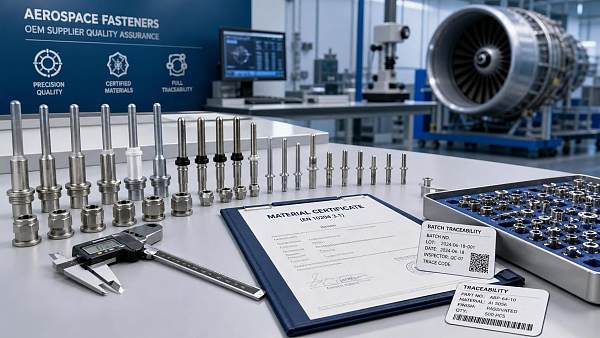
- Approving suppliers without process capability or traceability evidence
- Overlooking thread fit, tolerance stack-up, and mating-part compatibility
- Assuming coating improves everything, including fatigue performance
- Relying on price alone without checking total installed cost
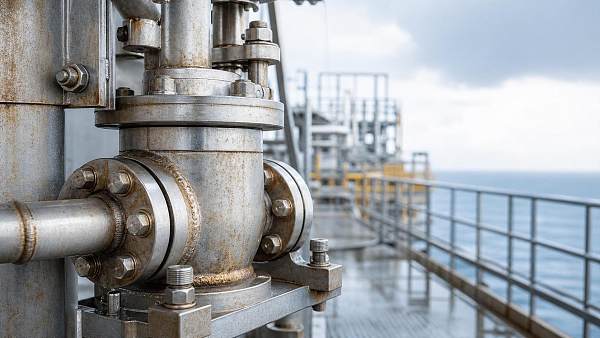
These issues affect broad sectors, including fluid power, automated material handling, transport assemblies, energy systems, and electronics enclosures. Precision Fasteners sit at critical interfaces where vibration, pressure, and cyclic loading concentrate risk.
Why do sourcing shortcuts drive Precision Fasteners failure costs so quickly?
Low unit cost can hide very high downstream exposure. A cheaper fastener may introduce inconsistent hardness, poor plating adhesion, off-spec threads, or unstable tensile performance.
When Precision Fasteners fail, the invoice rarely reflects the true loss. Real costs usually include labor, inspection, line stoppage, rework, replacement logistics, and damaged customer confidence.
Several sourcing shortcuts create this cost spiral:
1. Incomplete supplier qualification
A supplier may provide acceptable samples but lack stable process control. Without audit evidence, the delivered lot can differ from the approved lot in hardness, coating thickness, or thread precision.
2. Missing traceability
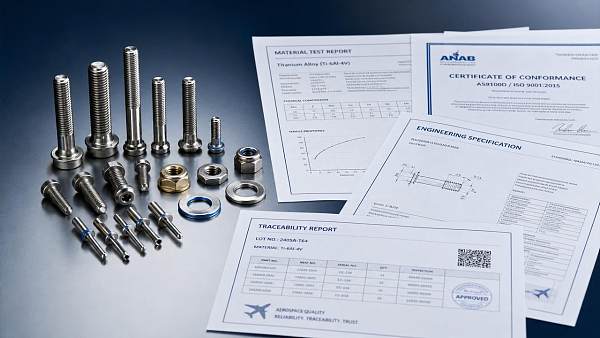
If a field issue appears, weak batch records make root-cause analysis slow and expensive. Unclear melt source, heat treatment batch, or plating line data complicates containment actions.
3. Overreliance on certificates alone
Paper compliance is useful, but not enough. Precision Fasteners also need dimensional checks, coating verification, mechanical testing, and sometimes metallographic review for critical service.
4. Ignoring total landed and lifecycle cost
Long lead times, inconsistent packaging, corrosion during transit, and special inspection burdens all increase true ownership cost. The cheapest quote can become the most expensive supply decision.
How do material and coating errors create hidden reliability problems?
Material selection is one of the biggest Precision Fasteners risk points. Strength alone does not define suitability. Corrosion mode, galvanic pairing, embrittlement sensitivity, and operating temperature also matter.
For example, carbon steel may be acceptable in dry indoor systems. It can become a failure source in coastal, chemical, or washdown environments without suitable protection.
Common material and coating mistakes include:
- Choosing high strength without checking hydrogen embrittlement risk
- Selecting stainless steel without reviewing galling behavior
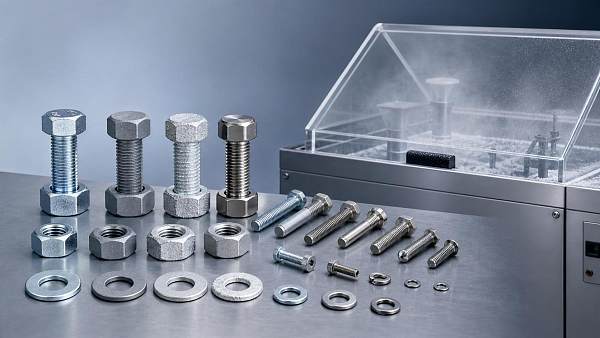
- Using zinc plating in aggressive chemical or marine exposure
- Ignoring dissimilar metal contact and galvanic corrosion potential
- Assuming one coating fits pressure, heat, and vibration conditions equally
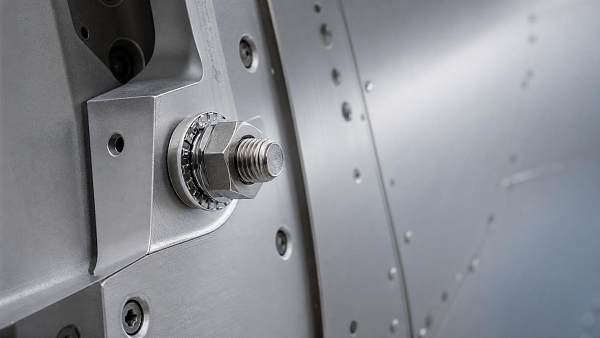
Precision Fasteners in hydraulic, structural, and motion-control applications often face combined stress. A coating that looks acceptable visually may still alter friction, clamp load consistency, or fatigue life.
Fit-for-service review should consider tensile demand, cyclic loading, installation torque window, media exposure, thermal cycling, and expected maintenance intervals. That is where many cost-avoidance opportunities appear.
How do specification and fit errors lead to premature Precision Fasteners failure?
Poor specification creates ambiguity. Ambiguity invites substitution, mismatched tooling, and inconsistent assembly outcomes. Precision Fasteners need exact requirements, not broad commercial descriptions.
A strong specification should define:
- Standard and dimensional series
- Material grade and mechanical properties
- Thread class, pitch, and tolerance
- Surface finish or coating system
- Testing, inspection, and traceability requirements
- Application notes for vibration, sealing, or temperature
Length and engagement errors are also common. Too little engagement reduces load distribution. Too much protrusion can interfere with moving parts or create installation and safety issues.
Thread fit problems are especially costly. Tight fits may damage coatings or cause galling. Loose fits can reduce alignment and preload stability, especially under vibration or repeated thermal cycles.
Precision Fasteners should also be evaluated alongside mating materials. A well-made bolt cannot compensate for poor tapped-hole quality, weak substrate strength, or distorted flange surfaces.
What installation and quality-control gaps raise lifecycle costs after purchase?
Even correctly sourced Precision Fasteners can fail if installation control is weak. Assembly conditions determine preload, alignment, and fatigue resistance in actual service.
Frequent post-purchase mistakes include dry installation when lubrication is required, reused fasteners in critical joints, and torque settings copied from unrelated materials or coatings.
Other expensive gaps include:
- No incoming inspection for critical dimensions or plating defects
- No lot segregation for mixed-risk applications
- No torque-tension validation under real assembly conditions
- No control of washer, nut, and mating-surface compatibility
- No failure feedback loop between field service and sourcing records
For critical assemblies, routine visual checks are not enough. Joint performance often requires documented verification of preload repeatability, coating integrity, and evidence that the selected Precision Fasteners match the service profile.
How can Precision Fasteners be evaluated more effectively before costs escalate?
A practical evaluation method combines technical review, supplier evidence, and application risk ranking. This approach prevents under-specification and avoids unnecessary overengineering.
This kind of FAQ-style review helps compare suppliers and part families using the same logic. It also supports clearer approvals across different industrial programs.
What is the fastest way to reduce Precision Fasteners failure costs now?
Start with the highest-consequence joints, not the highest-volume items. Risk concentration matters more than annual piece count when failure costs are severe.
Then take five immediate actions:
- Tighten specifications for critical Precision Fasteners and remove ambiguous wording
- Map every critical part to material, coating, and service conditions
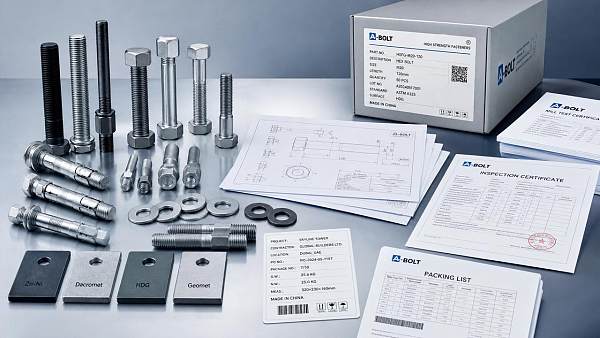
- Require batch traceability and key inspection data from approved suppliers
- Verify torque-tension behavior under real assembly conditions
- Link field failures back to sourcing, lot, and installation records
Precision Fasteners are small components with outsized influence on uptime, compliance, and asset life. Failure costs rise when sourcing, engineering, and installation decisions are disconnected.
A disciplined review of standards, materials, supplier controls, and joint behavior can prevent recurring failures before they reach production or the field. The next practical step is to audit current fastener specifications, identify high-risk assemblies, and apply a single verification framework across all critical applications.
Recommended News
 Oct 12, 2026How to Specify Low-VOC Fastener Coatings for Corrosion Protection and ComplianceLow VOC fastener coating specification guide: balance corrosion resistance, torque control, VOC compliance, and supplier validation for reliable assemblies.● Dr. Aris Alloy
 Oct 08, 2026Selecting Precision Fasteners for Semiconductor Equipment Vacuum and Cleanroom ServicePrecision Fasteners for semiconductor equipment: learn how to select vacuum- and cleanroom-ready hardware for reliable preload, low contamination, and long-term serviceability.● Dr. Aris Alloy
 Oct 04, 2026Selecting Stainless Micro Screws for Corrosion Resistance and Precision AssemblyStainless micro screws guide: choose corrosion-resistant alloys, precision threads, and reliable drive designs for demanding assemblies. Explore key selection tips.● Dr. Aris Alloy
 Oct 04, 2026How Do You Verify Precision Fastener Tolerances From a Datasheet?How do I verify precision fastener tolerances from a datasheet? Learn the key checks for thread class, dimensions, coatings, materials, and inspection methods.● Dr. Aris Alloy
 Sep 15, 2026Selecting Threaded Rods for Construction: Load, Corrosion, and Code RequirementsThreaded rods for construction: learn how to match load paths, corrosion protection, installation details, and code requirements for safer, compliant connections.● Dr. Aris Alloy
 Aug 16, 2026What Makes a High Strength Alloy Suitable for Aerospace Parts?High strength alloy for aerospace selection depends on more than tensile strength. Learn how fatigue, corrosion, heat, and manufacturability determine safer, lighter parts.● Dr. Aris Alloy
 Jul 26, 2026How Strong Are 3D Printed Fasteners in Load-Bearing Assemblies?3d printed fastener strength explained for load-bearing assemblies: learn where printed bolts work, where they fail, and how to choose safer, smarter fastening options.● Dr. Aris Alloy
 Jul 22, 2026How to Evaluate a Blind Bolt Custom OEM Partner for Aerospace Fastener ProjectsBlind bolt custom OEM sourcing for aerospace demands more than price. Learn how to assess quality systems, material traceability, engineering support, and supply stability before choosing a partner.● Dr. Aris Alloy
 Jul 18, 2026Salt Spray Hours for Fasteners: How to Compare Coatings and Corrosion ResistanceSalt spray hours fasteners explained: compare coatings, test limits, and real corrosion resistance to choose the right finish for longer service life and smarter sourcing.● Dr. Aris Alloy
 Jul 15, 2026Precision Fasteners Cost Factors: Materials, Tolerances, Finishes, and Order VolumePrecision Fasteners cost factors explained: compare materials, tolerances, finishes, and order volume to reduce sourcing risk, control total cost, and make smarter buying decisions.● Dr. Aris Alloy
 Jul 14, 2026How to Read a Titanium Alloy Weight Chart for Fastener and Aerospace Part SelectionTitanium alloy weight chart guide for fastener and aerospace part selection. Learn how to compare grade, density, dimensions, and standards to reduce sourcing risk.● Dr. Aris Alloy
 Jul 12, 2026How to Read Fastener Vibration Test Data for Joint Reliability DecisionsFastener vibration test data explained for smarter joint reliability decisions. Learn how to assess preload loss, residual clamp load, and test validity before sourcing or design approval.● Dr. Aris Alloy
 Jul 09, 2026Fastener Coating Cost Breakdown: What Changes Price by Material, Finish, and VolumeFastener coating cost explained: see how material, finish, volume, geometry, and compliance affect pricing, and learn how to compare quotes smarter while controlling total sourcing cost.● Dr. Aris Alloy
 Jul 06, 2026Self Tapping Industrial Screws: Types, Materials, and When to Use EachSelf tapping Industrial Screws guide: compare thread-forming, thread-cutting, and self-drilling types, materials, and best-use scenarios to choose faster, stronger, more reliable assemblies.● Dr. Aris Alloy
 Jul 05, 2026High-Tensile Bolts ASTM: How to Read Grades, Strength Classes, and Spec RequirementsHigh-Tensile Bolts ASTM guide: learn how to read grades, strength classes, specs, markings, and certificates to avoid sourcing mistakes and choose compliant bolts with confidence.● Dr. Aris Alloy
 Jul 04, 2026Stainless Automotive Fasteners Manufacturer: What Certifications and Materials Matter Most?Stainless automotive fasteners manufacturer selection starts with certifications, traceability, and the right alloys. Learn what matters most for reliable, compliant sourcing.● Dr. Aris Alloy
 Jul 03, 2026Fastener Price Trend 2026: What Steel Costs, Freight, and Demand Mean for BuyersFastener price trend 2026 explained: see how steel costs, freight volatility, and uneven demand may affect budgets, lead times, and sourcing decisions—so buyers can plan smarter.● Dr. Aris Alloy
 Jul 02, 2026Why Smart Fastener Battery Life Drops Early and How to Extend Service IntervalsSmart fastener battery life dropping too soon? Learn the real causes behind early drain and discover practical ways to extend service intervals without sacrificing monitoring accuracy.● Dr. Aris Alloy
 Jun 28, 2026Marine Grade Stainless Corrosion: What Causes It and How to Prevent Tea StainingMarine grade stainless corrosion often starts with tea staining. Learn the real causes, high-risk environments, and practical prevention steps to protect performance and cut lifecycle costs.● Dr. Aris Alloy
 Jun 26, 2026How to Choose Vibration-Resistant Fasteners for Aerospace AssembliesVibration-Resistant Fasteners for aerospace help protect critical assemblies from loosening, corrosion, and fatigue. Learn how to choose the right solution for safer, longer-lasting performance.● Dr. Aris Alloy
 Jun 23, 2026Fastener Hardness Explained: When to Use Rockwell vs Vickers TestingFastener hardness (Rockwell/Vickers) explained: learn when to use Rockwell for fast production checks and Vickers for precise surface analysis to improve quality, compliance, and reliability.● Dr. Aris Alloy
 Jun 15, 2026Wholesale Aerospace Fasteners: Specs, Materials, and Certifications Buyers Should CheckWholesale aerospace fasteners buyers should verify specs, material traceability, and certifications before ordering. Learn the key checks to reduce risk and source with confidence.● Dr. Aris Alloy
 Jun 07, 2026Instrument Cases Buying Guide: Hard vs Soft Cases, Protection Ratings, and FitInstrument cases buying guide: compare hard vs soft cases, understand IP protection ratings, and choose the right fit to protect sensitive equipment, reduce downtime, and buy with confidence.● Dr. Aris Alloy
 Jun 06, 2026How Global Construction Fastener Tenders Work: Bid Requirements, Specs, and Common RisksGlobal construction fastener tenders explained: learn bid requirements, key specs, compliance checks, and common risks to improve tender decisions and avoid costly project delays.● Dr. Aris Alloy