Hot Articles
Popular Tags
Aerospace Fasteners demand more than strength alone
Aerospace Fasteners demand more than sheer tensile strength. They must hold critical structures under vibration, pressure cycling, thermal expansion, and corrosive exposure without losing preload or traceability.
In aerospace programs, a fastener is never a simple commodity. It is a certified mechanical interface that affects safety, maintenance intervals, assembly consistency, and regulatory acceptance.
That is why Aerospace Fasteners are evaluated through material science, manufacturing discipline, quality documentation, and lifecycle reliability, not just headline strength values on a datasheet.
Definition and Technical Scope of Aerospace Fasteners
Aerospace Fasteners are engineered joining components used in aircraft, spacecraft, engines, avionics housings, landing systems, and interior assemblies.
They include bolts, screws, nuts, pins, rivets, inserts, clamps, studs, lockbolts, and specialty retention systems.
Unlike general industrial hardware, Aerospace Fasteners must meet exact dimensional tolerances, controlled surface conditions, and validated installation performance.
Their function is to maintain joint integrity across dynamic loads, fluctuating temperatures, and long inspection cycles, often in weight-sensitive structures.
Core characteristics that define aerospace-grade performance
- Precise fit and thread geometry for repeatable torque and clamp load
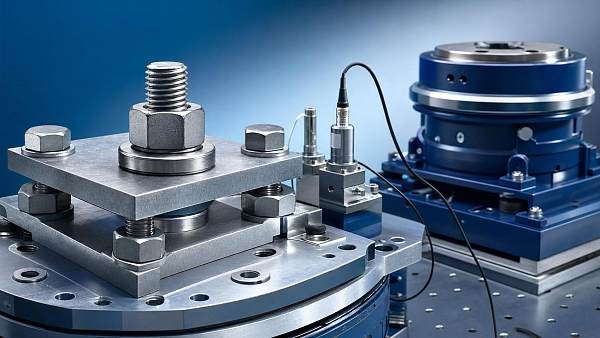
- Vibration resistance under cyclic mechanical stress
- Resistance to fatigue, corrosion, galling, and hydrogen-related failure
- Low weight with high structural efficiency
- Full material and process traceability
- Compliance with aerospace and cross-border certification requirements
These factors explain why Aerospace Fasteners are often selected through system-level risk analysis rather than simple cost comparison.
Why the Industry Focuses on More Than Strength
Strength remains essential, but high tensile values alone can mislead evaluation. A fastener may test strong in isolation yet fail in service through loosening, fretting, or coating-related incompatibility.
Modern aerospace platforms combine composite materials, lightweight alloys, harsh environmental cycles, and strict maintenance economics. This raises the technical demands placed on every joint.
Current industry signals affecting Aerospace Fasteners
The result is a market where Aerospace Fasteners are judged as reliability components within broader operational and compliance ecosystems.
Material, Coating, and Design Considerations
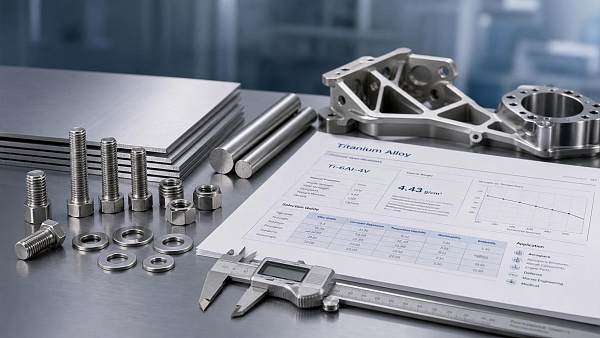
Material selection strongly influences how Aerospace Fasteners perform under real service conditions. The choice must reflect temperature, load path, moisture exposure, and adjacent materials.
Common material routes
- Titanium alloys for high strength-to-weight performance and corrosion resistance
- Alloy steels for demanding structural loads where weight is less restrictive
- Nickel-based alloys for elevated temperatures near engines or exhaust systems
- Stainless grades for selected corrosion-sensitive assemblies
- Aluminum and specialty materials for non-structural or tailored applications
Coatings also matter. Surface treatments can improve corrosion resistance, reduce friction variability, and support installation consistency. However, they may also introduce compatibility risks.
Galvanic corrosion, embrittlement concerns, and torque-tension deviations must be reviewed before approving any coated Aerospace Fasteners for mixed-material structures.
Design features often prioritized
- Self-locking elements for vibration-prone systems
- Close-tolerance shanks for shear-critical joints
- Head geometries suited to limited-access assembly zones
- Reduced-weight configurations for fuel efficiency goals
Business Value Across the Industrial Supply Chain
The value of Aerospace Fasteners extends far beyond part count. A single fastening failure can trigger inspection delays, rework, aircraft grounding, or program-level compliance concerns.
Well-qualified Aerospace Fasteners support predictable assembly, lower rejection rates, and better maintenance planning. That makes them important to both engineering reliability and supply-chain resilience.
Operational impacts of correct fastener selection
For information-driven industrial evaluation, Aerospace Fasteners should be reviewed as risk-control assets rather than interchangeable hardware items.
Typical Application Categories and Performance Priorities
Different assemblies place different demands on Aerospace Fasteners. The correct specification depends on load type, access constraints, maintenance strategy, and environmental severity.
Representative application categories
This variation shows why Aerospace Fasteners should be matched to application physics instead of selected by generic material grade alone.
Verification, Standards, and Traceability Requirements
Standards and documentation are central to the aerospace fastener landscape. Mechanical performance must be backed by evidence, not assumptions.
Relevant references may include ISO, ASME, DIN, aerospace-specific drawings, process specifications, and customer-level qualification protocols.
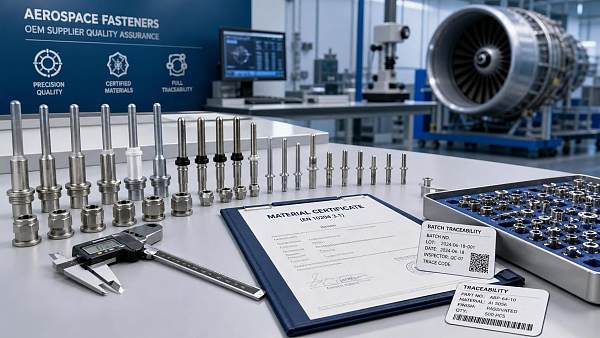
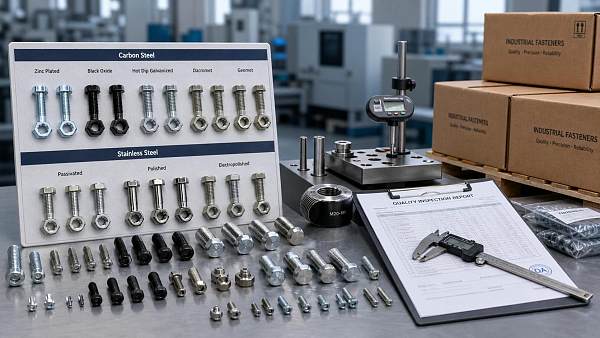
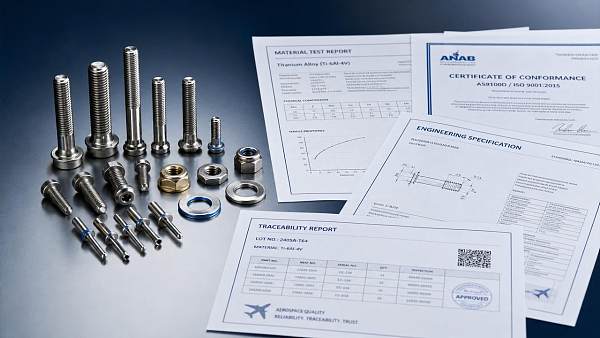
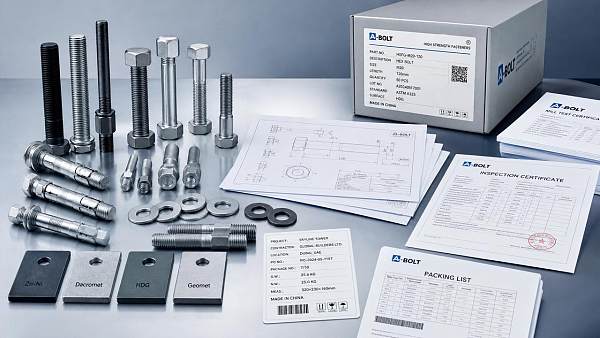
Aerospace Fasteners often require documented controls for heat treatment, hardness, coating thickness, dimensional conformity, lot history, and non-destructive inspection where applicable.
Key verification checkpoints
- Material certification and chemistry confirmation
- Mechanical property test results
- Dimensional inspection records
- Surface treatment and coating validation
- Lot traceability from raw material to finished shipment
- Conformity to drawing, revision, and approved process route
Without this discipline, even high-quality Aerospace Fasteners can become difficult to approve for regulated installations.
Practical Evaluation Guidance for Better Selection
A practical review process should begin with application severity, then move through material compatibility, joining method, and compliance risk.
Useful evaluation questions include the following:
- What load mode dominates: tension, shear, fatigue, or vibration?
- Will the joint face thermal cycling or dissimilar-metal contact?
- Are installation torque windows controlled and documented?
- Can the supplier provide full traceability for Aerospace Fasteners?
- Does the approval package align with end-use certification requirements?
It is also wise to assess continuity of raw material supply. Titanium, steel, and nickel price shifts can affect lead times and substitution pressure.
Where possible, compare Aerospace Fasteners on total reliability metrics, not only unit price, especially for critical assemblies with expensive failure consequences.
Next-Step Approach for Industrial Decision Support
Aerospace Fasteners sit at the intersection of engineering precision, certification discipline, and supply-chain intelligence. Their true value appears when performance, documentation, and sourcing stability are reviewed together.
A structured comparison should map application conditions, required standards, approved materials, and traceability expectations before any sourcing decision advances.
For stronger evaluation outcomes, build a short technical checklist for Aerospace Fasteners covering load profile, environment, locking method, inspection evidence, and supplier process control.
That approach helps reduce qualification risk, improves long-term uptime, and supports more confident decisions in a highly regulated aerospace supply chain.
Recommended News
 Oct 12, 2026How to Specify Low-VOC Fastener Coatings for Corrosion Protection and ComplianceLow VOC fastener coating specification guide: balance corrosion resistance, torque control, VOC compliance, and supplier validation for reliable assemblies.● Dr. Aris Alloy
 Oct 08, 2026Selecting Precision Fasteners for Semiconductor Equipment Vacuum and Cleanroom ServicePrecision Fasteners for semiconductor equipment: learn how to select vacuum- and cleanroom-ready hardware for reliable preload, low contamination, and long-term serviceability.● Dr. Aris Alloy
 Oct 04, 2026Selecting Stainless Micro Screws for Corrosion Resistance and Precision AssemblyStainless micro screws guide: choose corrosion-resistant alloys, precision threads, and reliable drive designs for demanding assemblies. Explore key selection tips.● Dr. Aris Alloy
 Oct 04, 2026How Do You Verify Precision Fastener Tolerances From a Datasheet?How do I verify precision fastener tolerances from a datasheet? Learn the key checks for thread class, dimensions, coatings, materials, and inspection methods.● Dr. Aris Alloy
 Sep 15, 2026Selecting Threaded Rods for Construction: Load, Corrosion, and Code RequirementsThreaded rods for construction: learn how to match load paths, corrosion protection, installation details, and code requirements for safer, compliant connections.● Dr. Aris Alloy
 Aug 16, 2026What Makes a High Strength Alloy Suitable for Aerospace Parts?High strength alloy for aerospace selection depends on more than tensile strength. Learn how fatigue, corrosion, heat, and manufacturability determine safer, lighter parts.● Dr. Aris Alloy
 Jul 26, 2026How Strong Are 3D Printed Fasteners in Load-Bearing Assemblies?3d printed fastener strength explained for load-bearing assemblies: learn where printed bolts work, where they fail, and how to choose safer, smarter fastening options.● Dr. Aris Alloy
 Jul 22, 2026How to Evaluate a Blind Bolt Custom OEM Partner for Aerospace Fastener ProjectsBlind bolt custom OEM sourcing for aerospace demands more than price. Learn how to assess quality systems, material traceability, engineering support, and supply stability before choosing a partner.● Dr. Aris Alloy
 Jul 18, 2026Salt Spray Hours for Fasteners: How to Compare Coatings and Corrosion ResistanceSalt spray hours fasteners explained: compare coatings, test limits, and real corrosion resistance to choose the right finish for longer service life and smarter sourcing.● Dr. Aris Alloy
 Jul 15, 2026Precision Fasteners Cost Factors: Materials, Tolerances, Finishes, and Order VolumePrecision Fasteners cost factors explained: compare materials, tolerances, finishes, and order volume to reduce sourcing risk, control total cost, and make smarter buying decisions.● Dr. Aris Alloy
 Jul 14, 2026How to Read a Titanium Alloy Weight Chart for Fastener and Aerospace Part SelectionTitanium alloy weight chart guide for fastener and aerospace part selection. Learn how to compare grade, density, dimensions, and standards to reduce sourcing risk.● Dr. Aris Alloy
 Jul 12, 2026How to Read Fastener Vibration Test Data for Joint Reliability DecisionsFastener vibration test data explained for smarter joint reliability decisions. Learn how to assess preload loss, residual clamp load, and test validity before sourcing or design approval.● Dr. Aris Alloy
 Jul 09, 2026Fastener Coating Cost Breakdown: What Changes Price by Material, Finish, and VolumeFastener coating cost explained: see how material, finish, volume, geometry, and compliance affect pricing, and learn how to compare quotes smarter while controlling total sourcing cost.● Dr. Aris Alloy
 Jul 06, 2026Self Tapping Industrial Screws: Types, Materials, and When to Use EachSelf tapping Industrial Screws guide: compare thread-forming, thread-cutting, and self-drilling types, materials, and best-use scenarios to choose faster, stronger, more reliable assemblies.● Dr. Aris Alloy
 Jul 05, 2026High-Tensile Bolts ASTM: How to Read Grades, Strength Classes, and Spec RequirementsHigh-Tensile Bolts ASTM guide: learn how to read grades, strength classes, specs, markings, and certificates to avoid sourcing mistakes and choose compliant bolts with confidence.● Dr. Aris Alloy
 Jul 04, 2026Stainless Automotive Fasteners Manufacturer: What Certifications and Materials Matter Most?Stainless automotive fasteners manufacturer selection starts with certifications, traceability, and the right alloys. Learn what matters most for reliable, compliant sourcing.● Dr. Aris Alloy
 Jul 03, 2026Fastener Price Trend 2026: What Steel Costs, Freight, and Demand Mean for BuyersFastener price trend 2026 explained: see how steel costs, freight volatility, and uneven demand may affect budgets, lead times, and sourcing decisions—so buyers can plan smarter.● Dr. Aris Alloy
 Jul 02, 2026Why Smart Fastener Battery Life Drops Early and How to Extend Service IntervalsSmart fastener battery life dropping too soon? Learn the real causes behind early drain and discover practical ways to extend service intervals without sacrificing monitoring accuracy.● Dr. Aris Alloy
 Jun 28, 2026Marine Grade Stainless Corrosion: What Causes It and How to Prevent Tea StainingMarine grade stainless corrosion often starts with tea staining. Learn the real causes, high-risk environments, and practical prevention steps to protect performance and cut lifecycle costs.● Dr. Aris Alloy
 Jun 26, 2026How to Choose Vibration-Resistant Fasteners for Aerospace AssembliesVibration-Resistant Fasteners for aerospace help protect critical assemblies from loosening, corrosion, and fatigue. Learn how to choose the right solution for safer, longer-lasting performance.● Dr. Aris Alloy
 Jun 23, 2026Fastener Hardness Explained: When to Use Rockwell vs Vickers TestingFastener hardness (Rockwell/Vickers) explained: learn when to use Rockwell for fast production checks and Vickers for precise surface analysis to improve quality, compliance, and reliability.● Dr. Aris Alloy
 Jun 15, 2026Wholesale Aerospace Fasteners: Specs, Materials, and Certifications Buyers Should CheckWholesale aerospace fasteners buyers should verify specs, material traceability, and certifications before ordering. Learn the key checks to reduce risk and source with confidence.● Dr. Aris Alloy
 Jun 07, 2026Instrument Cases Buying Guide: Hard vs Soft Cases, Protection Ratings, and FitInstrument cases buying guide: compare hard vs soft cases, understand IP protection ratings, and choose the right fit to protect sensitive equipment, reduce downtime, and buy with confidence.● Dr. Aris Alloy
 Jun 06, 2026How Global Construction Fastener Tenders Work: Bid Requirements, Specs, and Common RisksGlobal construction fastener tenders explained: learn bid requirements, key specs, compliance checks, and common risks to improve tender decisions and avoid costly project delays.● Dr. Aris Alloy