Hot Articles
Popular Tags
When does advanced hydraulic deliver real gains?
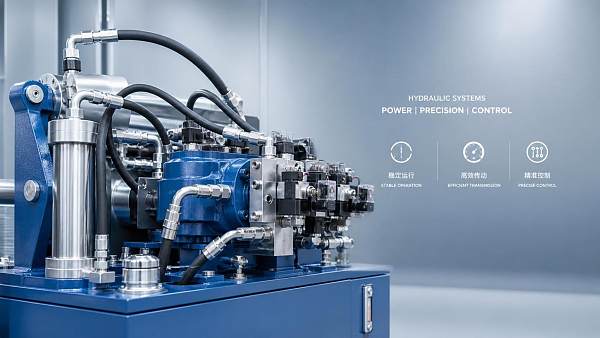
When does Advanced Hydraulic move from a costly upgrade to a measurable advantage? For researchers comparing industrial systems, the answer lies in uptime, precision, energy efficiency, and lifecycle reliability. This introduction explores how advanced hydraulic solutions create real gains in demanding applications, and what technical, regulatory, and supply-chain factors should be evaluated before making strategic sourcing or engineering decisions.
What counts as Advanced Hydraulic in real industrial evaluation?
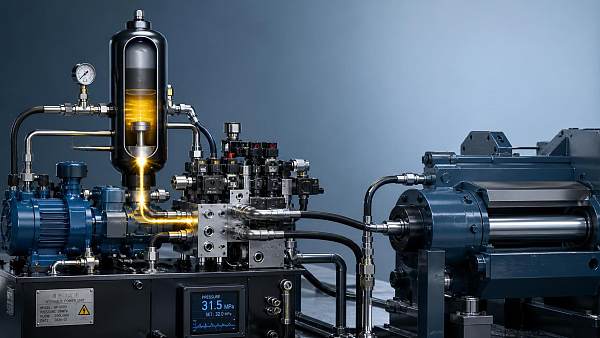
In practical sourcing terms, Advanced Hydraulic is not simply a stronger pump or a higher-pressure cylinder. It usually refers to a hydraulic architecture that integrates tighter motion control, smarter sensing, improved sealing, lower leakage, better contamination management, and more predictable maintenance behavior.
For information researchers in mixed industrial environments, the key question is not whether advanced systems look technically impressive. The real question is whether they reduce total operational risk across heavy-duty cycles, variable loads, strict compliance requirements, and fragmented global supply conditions.
This matters across construction equipment, automated manufacturing, mining, port handling, energy infrastructure, material processing, and specialty machinery. In these settings, hydraulic performance directly affects cycle time, force stability, positioning accuracy, operator safety, and downtime exposure.
- Advanced Hydraulic systems often include proportional or servo control for finer response under changing loads.
- They may use upgraded cylinders, valves, manifolds, sensors, filtration units, and digital monitoring interfaces.
- Their value is strongest where unplanned stoppage costs exceed the premium paid for better components and better control.
Why baseline definitions matter during research
Many buying teams compare a basic hydraulic package against an advanced one without aligning duty cycle, pressure peaks, contamination level, ambient temperature, and expected service life. That creates misleading price comparisons. A lower-cost system may appear competitive on day one while performing poorly over thousands of operating hours.
G-ISC helps decision-makers frame Advanced Hydraulic as a system-level choice rather than a component-only upgrade. That distinction is essential when evaluating compatibility with international standards, installation constraints, and long-term sourcing resilience.
When does Advanced Hydraulic deliver measurable gains?
The measurable gains typically appear when process interruption is expensive, precision matters, or energy losses accumulate quickly. In low-duty and non-critical applications, a standard system may remain sufficient. In high-load, high-frequency, or safety-sensitive operations, the economics often shift.
The table below helps researchers distinguish where Advanced Hydraulic creates a real advantage and where the return may be limited.
The strongest business case appears when hydraulic inefficiency multiplies through production losses, scrap, labor interruption, or delayed project delivery. In such cases, Advanced Hydraulic should be evaluated against lifecycle value, not only purchase price.
Common trigger points for upgrading
- Repeated seal failures caused by pressure spikes, contamination, or thermal imbalance.
- Motion inconsistency that affects product quality, alignment, or automation coordination.
- Escalating energy usage in systems running fixed displacement hardware under variable demand.
- Procurement pressure to meet stricter compliance, traceability, or service documentation requirements.
Which performance indicators should researchers compare first?
Researchers often receive long component lists but still lack a clear way to compare solutions. A useful approach is to start with a small group of operational indicators that connect technical design to business outcomes.
Core metrics that reveal real gains
- Uptime contribution: How much unplanned downtime can be avoided through better seals, cleaner fluid, predictive monitoring, and more stable control?
- Control precision: Does the system hold pressure, position, or synchronization within the tolerance needed by the process?
- Energy profile: Is power matched to load demand, or is the system constantly bleeding energy through heat and throttling losses?
- Lifecycle maintenance: What are the likely intervals for filter replacement, seal servicing, oil health checks, and valve calibration?
- Supply-chain resilience: Are critical parts standardized, traceable, and available across regions?
Advanced Hydraulic can look attractive on paper but still fail to deliver if the control platform, fluid cleanliness plan, hose routing, or spare-part strategy is weak. Researchers should therefore compare system architecture and support conditions together.
Technical parameters worth verifying early
The table below summarizes practical technical checks that can prevent misalignment between engineering intent and procurement execution.
For mixed-sector buyers, this parameter view is especially helpful because it applies whether the equipment is a press, a mobile unit, a test rig, or a heavy industrial actuator package. It translates Advanced Hydraulic from abstract marketing language into verifiable engineering checkpoints.
How does Advanced Hydraulic compare with standard hydraulic systems?
A standard hydraulic system can remain the right answer when loads are steady, tolerances are broad, and service access is easy. An advanced system earns its premium when process volatility or downtime cost changes the economic model.
Researchers should compare both options across control quality, maintenance burden, compliance readiness, and sourcing risk, not just initial hardware cost.
Decision logic by application profile
- Choose standard hydraulic solutions when the process is non-critical, manual adjustment is acceptable, and spare parts are locally abundant.
- Choose Advanced Hydraulic when the process requires repeatable motion, reduced operator intervention, remote diagnostics, or lower energy waste.
- Consider hybrid evaluation when only selected functions need upgrading, such as valves, sensors, filtration, or variable-speed drives.
In many facilities, the best answer is not a full replacement. It is a staged modernization path that targets the hydraulic subsystem responsible for most downtime, most heat generation, or most process variability.
What procurement teams should check before selecting Advanced Hydraulic
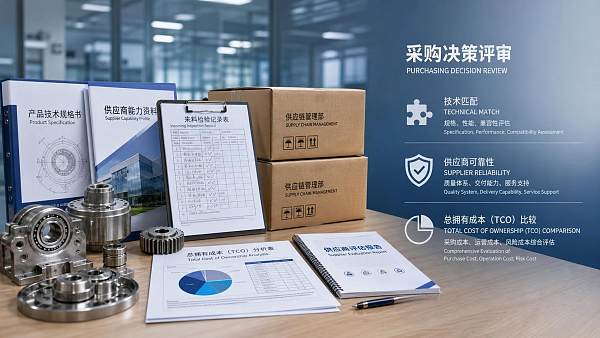
Procurement difficulty often starts when engineering asks for high performance but the RFQ lacks consistent operating data. A strong sourcing process must connect duty profile, compliance needs, supply continuity, and service expectations.
A practical procurement checklist
- Define the operating profile clearly: pressure range, cycle frequency, ambient conditions, contamination risks, and required response time.
- Separate mandatory from desirable features: precision class, monitoring functions, noise limits, efficiency targets, and maintenance intervals.
- Check standard alignment: ISO, DIN, ASME, or related documentation requirements depending on the installation environment.
- Ask for traceability and documentation: material declarations, pressure ratings, test records, and spare-part mapping.
- Review supply-chain exposure: raw material volatility, export restrictions, lead times, and regional service support.
Why G-ISC adds value during supplier screening
G-ISC is positioned to support researchers who need more than isolated product sheets. Its value lies in linking component performance with sourcing intelligence across advanced hydraulic and adjacent critical-component categories. That means a buyer can assess not only whether a valve or cylinder meets technical needs, but also whether the broader sourcing strategy remains resilient under trade, logistics, and material-price fluctuations.
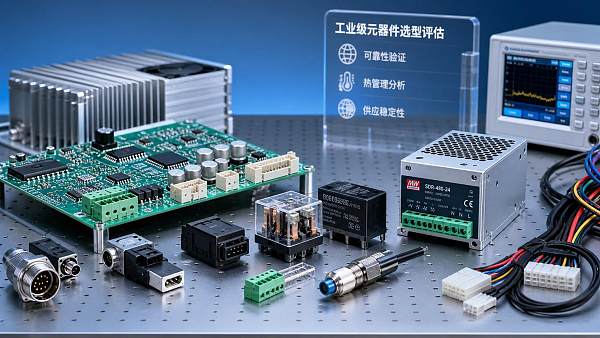
This cross-functional view is increasingly important because hydraulic reliability depends on more than core fluid-power hardware. Fasteners, connectors, sealing interfaces, flow control devices, and digital orchestration all influence field performance and replacement continuity.
How do standards, compliance, and documentation affect the final decision?
Advanced Hydraulic solutions are often selected for critical applications where documentation discipline matters as much as performance. Researchers should confirm which standards govern design, testing, installation, and maintenance records in the target market.
- ISO-related references may affect hydraulic fluid cleanliness, component interfaces, and test procedures.
- DIN or ASME references may appear in dimensional compatibility, pressure-bearing components, or project documentation requirements.
- Sector-specific rules can add safety, environmental, or traceability obligations for industrial plants, infrastructure, and export projects.
A frequent mistake is assuming that a technically suitable hydraulic assembly is automatically procurement-ready. Missing test reports, incomplete material data, or weak document traceability can delay approval, especially in multinational projects or regulated sectors.
Cost, alternatives, and the real ROI question
The most common objection to Advanced Hydraulic is cost. That concern is reasonable, but cost should be separated into capital cost, operating cost, downtime cost, and replacement cost. A lower initial quotation may still be the more expensive path over the equipment lifecycle.
Researchers should also compare alternatives. In some applications, partial upgrades such as improved filtration, sensor integration, better seals, or variable-speed pump control can capture much of the benefit without a full redesign.
- Full Advanced Hydraulic upgrade: best for critical, high-load, precision-dependent systems.
- Selective subsystem upgrade: useful where one failure mode dominates maintenance or quality loss.
- Standard system retention: suitable when process risk is low and maintenance access is simple.
The right ROI model should include avoided downtime, energy savings, reduction in scrap or rework, maintenance labor, spare-part consumption, and approval speed for compliant documentation.
FAQ: what do researchers ask most about Advanced Hydraulic?
How do I know if Advanced Hydraulic is necessary for my application?
Start with process criticality. If equipment stoppage causes meaningful production loss, if motion precision affects quality, or if maintenance access is difficult, Advanced Hydraulic deserves serious evaluation. If the process is low-cycle and non-critical, a standard system may be enough.
Which data should be collected before asking for quotations?
At minimum, collect duty cycle, working pressure, flow range, peak load behavior, ambient temperature, fluid type, control requirements, installation space, and service expectations. Without these details, suppliers will price against assumptions, and comparisons will be unreliable.
Does Advanced Hydraulic always reduce energy consumption?
Not always. Energy gains depend on the load pattern and system architecture. The biggest improvements usually come when a system currently wastes energy through throttling, oversizing, or poor thermal management. In stable, lightly loaded applications, the energy delta may be modest.
What are the most common procurement mistakes?
The biggest mistakes are buying on nominal pressure alone, ignoring contamination control, underestimating documentation needs, and failing to check spare-part continuity. Another frequent issue is treating an advanced valve or cylinder as a standalone upgrade when the rest of the hydraulic loop cannot support the performance target.
Why choose us for Advanced Hydraulic research and sourcing support?
G-ISC supports information researchers who need technical clarity and sourcing confidence before moving into supplier commitment. Our strength is not limited to one component category. We connect Advanced Hydraulic evaluation with adjacent critical-component intelligence, global supply-chain signals, and standards-aware procurement judgment.
You can consult us for parameter confirmation, application-based product selection, documentation expectations, delivery-cycle analysis, custom solution screening, certification-related questions, sample support pathways, and quotation comparison logic. We also help assess whether a full hydraulic upgrade, a selective subsystem retrofit, or a staged sourcing plan makes the most sense for your operating and budget conditions.
If your team is evaluating Advanced Hydraulic for uptime improvement, precision control, or lifecycle cost reduction, a structured technical and supply-chain review will save time and reduce decision risk. That is where a research-led sourcing partner creates real value.
Recommended News
 Oct 09, 2026How to Assess a Jade Bangles Manufacturer for Authenticity and OEM QualityAssess a jade bangles manufacturer for authenticity, treatment disclosure, OEM consistency, quality control, certification, and export-ready documentation.● Marcus Valve
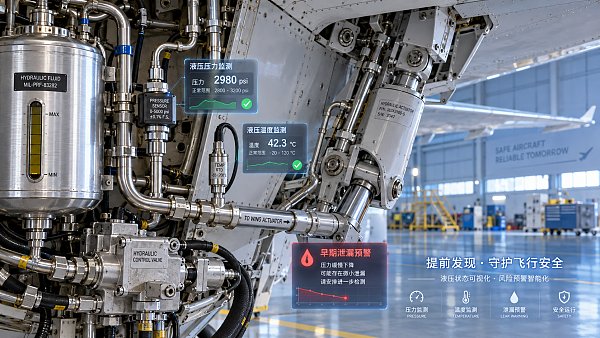
 Oct 02, 2026How Aircraft Hydraulic Safety Alerts Help Detect Leaks and Pressure Loss EarlyAircraft hydraulic safety alerts detect leaks and pressure loss early through smarter monitoring of pressure, fluid quantity, temperature, pump behavior, and actuator response.● Marcus Valve
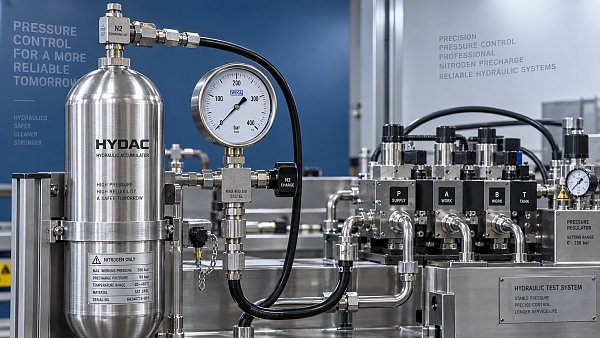
 Sep 27, 2026Hydraulic Accumulator Precharge: How to Set It for Reliable Pressure ControlHydraulic accumulator precharge guide: set nitrogen pressure accurately for stable control, usable fluid volume, safer operation, and longer system life.● Marcus Valve
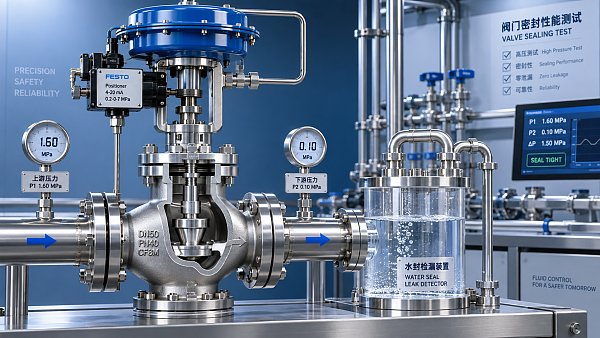
 Sep 26, 2026Valve Leakage Class Data: How to Interpret Allowable Leakage for Critical ServiceValve leakage class data explained: learn how to assess allowable leakage, test media, pressure differential, seat design, and standards for critical valve service.● Marcus Valve
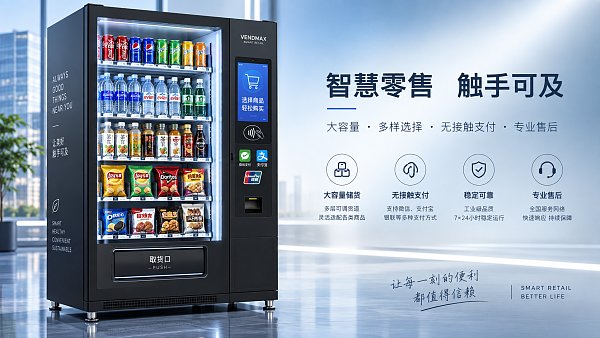
 Sep 21, 2026Wholesale Vending Machines: A Buyer’s Checklist for Pricing, Capacity, and Service SupportWholesale vending machines buyer’s checklist: compare delivered pricing, real product capacity, payment options, installation needs, and dependable service support.● Marcus Valve
 Sep 20, 2026How to Evaluate a Hydraulic Manifold Manufacturer for High-Pressure SystemsHydraulic Manifolds manufacturer evaluation guide: compare pressure ratings, materials, machining, testing, cleanliness, and traceability for reliable high-pressure systems.● Marcus Valve
 Sep 08, 2026How to Specify High-Pressure Fluid Power Systems for Demanding Industrial Duty CyclesFluid Power high pressure system specification guide: optimize duty cycles, fatigue life, cleanliness, thermal control, safety, and supplier reliability.● Marcus Valve
 Sep 02, 2026How to Set Piston Accumulator Precharge Pressure for Reliable Hydraulic PerformancePiston accumulator precharge pressure: learn how to set P0, P1, and P2 for dependable hydraulic energy storage, safety reserves, and pulsation control.● Marcus Valve
 Aug 27, 2026How to Reduce Hydraulic Manifold Pressure Drop Without Undersizing Flow CapacityHydraulic manifold pressure drop: learn practical ways to cut energy loss, protect flow capacity, improve thermal stability, and optimize valve and port design.● Marcus Valve
 Aug 17, 2026How to Choose the Right Outdoor Patio Heater for Commercial SpacesOutdoor patio heaters for commercial spaces: learn how to choose the right model for comfort, safety, durability, and lower operating costs.● Marcus Valve
 Aug 12, 2026How to Select Hydraulic Components for Industrial Machinery by Load, Pressure, and Duty CycleHydraulic components for industrial machinery: learn how to match load, pressure, and duty cycle to reduce downtime, avoid oversizing, and improve reliability.● Marcus Valve
 Aug 09, 2026How to Size a High Pressure Hydraulic Accumulator for Peak Load StabilityHigh pressure hydraulic accumulator sizing made clear: learn how to define pressure windows, usable oil volume, and response speed for stable peak loads and smarter selection.● Marcus Valve
 Aug 03, 2026What Criteria Matter Most When Comparing Solutions for a B2B Buying Decision?Solution comparison criteria for B2B buying: learn how to weigh technical fit, supplier reliability, TCO, scalability, and supply-chain risk to choose with confidence.● Marcus Valve
 Jul 27, 2026How to Choose Custom Printed Guitar Picks for Branding, Events, and Retail SalesGuitar picks custom printed: learn how to choose the right material, thickness, print quality, packaging, and supplier for branding, events, and retail success.● Marcus Valve
 Jul 24, 2026How Do Metronomes and Tuners Work Together to Improve Practice Accuracy?Metronomes and tuners work best together to improve practice accuracy. Discover how they sharpen timing, stabilize pitch, and help musicians build more reliable performance results.● Marcus Valve
 Jul 23, 2026Product Selection for Electronic Components: Key Criteria for Reliable Design ChoicesProduct Selection for electronic components starts with reliability. Learn how to evaluate thermal, compliance, and supply-chain risks to build durable, cost-efficient designs.● Marcus Valve
 Jul 21, 2026How to Select Stainless Steel Level Transmitters for Corrosive Liquid ApplicationsStainless steel Level Transmitters selection for corrosive liquids starts with media, seals, and pressure. Learn how to choose reliable, compliant options that cut failure risk and downtime.● Marcus Valve
 Jul 12, 2026Luxury Vinyl Tile for Commercial Spaces: How to Compare Wear, Cost, and MaintenanceLuxury vinyl tile commercial flooring guide: compare wear layer, lifecycle cost, and maintenance needs to choose a durable, low-risk option for busy commercial spaces.● Marcus Valve
 Jul 10, 2026Component Specification Requirements Explained: How to Review Tolerance, Load, and FitComponent specification requirements explained clearly: learn how to review tolerance, load, and fit to reduce risk, improve uptime, and make smarter approval decisions.● Marcus Valve
 Jul 09, 2026Playground Borders: Which Materials Work Best for Drainage, Safety, and Low MaintenancePlayground borders compared by drainage, safety, and maintenance. Discover whether rubber, concrete, timber, composite, or metal is the best fit for your project.● Marcus Valve
 Jul 08, 2026Digital Pressure Transmitters Selection Guide: Accuracy, Output Signal, and Pressure RangeDigital Pressure Transmitters selection guide covering accuracy, output signal, and pressure range. Learn how to compare options for reliable performance, compatibility, and lower lifecycle costs.● Marcus Valve
 Jul 05, 2026Indoor Playground Maintenance Checklist: Daily, Weekly, and Monthly Tasks That MatterIndoor playground maintenance made practical: discover the daily, weekly, and monthly tasks that improve safety, reduce downtime, and extend equipment life.● Marcus Valve
 Jun 30, 2026Product Selection by Current Rating: How to Match Electrical Loads and Safety MarginsProduct Selection by current rating made practical: learn how to match real electrical loads, derating factors, and safety margins for safer systems, longer component life, and smarter buying decisions.● Marcus Valve
 Jun 26, 2026Pressure Transmitters Selection Guide: Key Specifications for Industrial SystemsPressure Transmitters selection guide for industrial systems: learn key specs, avoid costly mistakes, and choose the right fit for reliable performance.● Marcus Valve