Hot Articles
Popular Tags
Why Automated Material Handling Bottlenecks Start Small
In Automated Material Handling, serious disruption usually begins quietly. A scanner reads slightly late. A conveyor hesitates for seconds. A sensor drifts out of tolerance. These small losses accumulate before alarms appear.
That is why Automated Material Handling bottlenecks often start small. Early detection protects throughput, stabilizes uptime, and preserves return on automation investment across warehouses, factories, distribution hubs, and mixed industrial environments.
What does a “small bottleneck” mean in Automated Material Handling?
A small bottleneck is a minor restriction that limits flow without causing immediate failure. It may reduce speed by only a few percentage points, yet it steadily lowers system capacity.
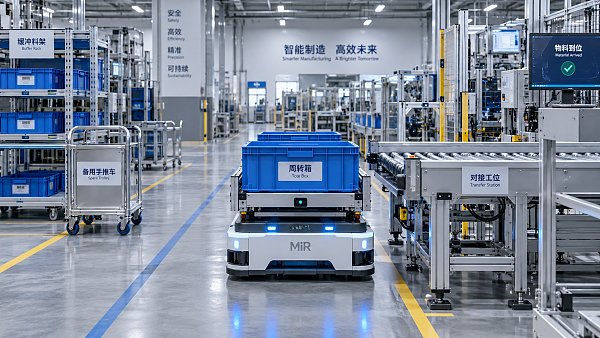
In Automated Material Handling, these restrictions often appear in transfer points, queue logic, barcode verification, robot charging windows, or part positioning accuracy.
The danger is not the size of the original issue. The danger is interaction. One delayed tote can trigger lane congestion, idle picking stations, and misaligned downstream sequencing.
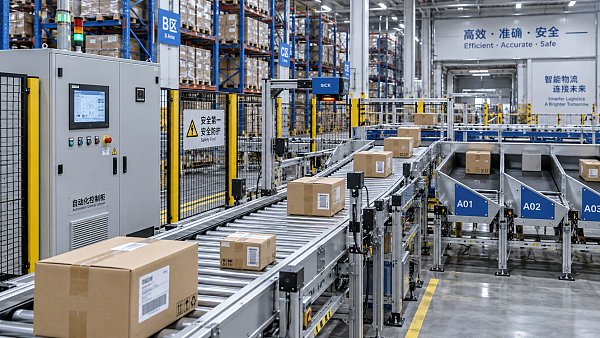
This pattern is common in integrated systems using conveyors, sorters, AMRs, AS/RS, lifts, pallet shuttles, and intelligent controls. Local inefficiency becomes network-wide friction.
- Cycle times slowly rising above design assumptions
- Buffers filling earlier than expected
- Repeated micro-stops below major downtime thresholds
- Operator interventions increasing during peak windows
- Routing software making frequent low-value reassignments
When reviewing Automated Material Handling performance, small bottlenecks should be treated as leading indicators, not harmless noise.
Why do small issues become major Automated Material Handling constraints?
Automation systems are interconnected. They depend on timing, consistency, and predictable handoffs. A small variance can disturb many assets because each process waits on another process.
For example, a vision system with occasional false rejects may seem manageable. However, repeated recirculation creates lane saturation and reduces sorter availability for valid items.
Similarly, an AMR fleet can look healthy in average utilization reports. Yet hidden congestion at charging stations or narrow crossings can sharply reduce hourly mission completion.
This is where system design discipline matters. Component reliability, software orchestration, and mechanical precision must align. Even a simple reference point like 无 can appear inside documentation chains that affect maintenance response.
In complex facilities, bottlenecks spread through four common mechanisms:
- Queue amplification, where brief delays create long downstream waiting
- Control overreaction, where software keeps rebalancing without improving total flow
- Maintenance masking, where repeated resets hide root mechanical wear
- Data blind spots, where KPIs miss micro-losses below reporting thresholds
Automated Material Handling fails to deliver expected throughput when these small losses are accepted as normal operating variation.
Which early warning signs should be watched first?
The best warning signs are measurable, frequent, and close to physical flow. They should reveal performance drift before customer service or production output is affected.
1. Micro-stoppages
Short stops under one minute often escape management summaries. In Automated Material Handling, they usually indicate sensing errors, skewed loads, or unstable transfers.
2. Uneven queue depth
A healthy system does not maintain identical queue levels everywhere. Still, recurring spikes at the same node suggest a hidden capacity mismatch.
3. Rising intervention frequency
If manual clearances, rescans, or exception moves increase, the process is compensating for instability. Labor becomes a temporary patch over design weakness.
4. Throughput variance by shift
When equipment performs well only during certain shifts, root causes may involve housekeeping, replenishment timing, battery practices, or inconsistent parameter settings.
5. Maintenance resets without parts replacement
Repeated restarts can postpone proper diagnosis. In Automated Material Handling, recurring resets often point to mechanical fatigue or degraded electrical integrity.
Where do these bottlenecks usually form first?
They rarely start at the largest machine. They usually emerge at interfaces, because interfaces combine mechanical motion, data exchange, timing logic, and physical variability.
Common weak points in Automated Material Handling include inbound induction, pick-to-pack transitions, merge lines, palletizing cells, and robot-to-conveyor handoff zones.
Facilities handling mixed SKU profiles are especially exposed. Carton shape variation, label quality, surface reflectivity, and load stability can all reduce consistency.
Another frequent source is control architecture. A physically capable system may still underperform if software priorities, route permissions, or replenishment triggers are poorly tuned.
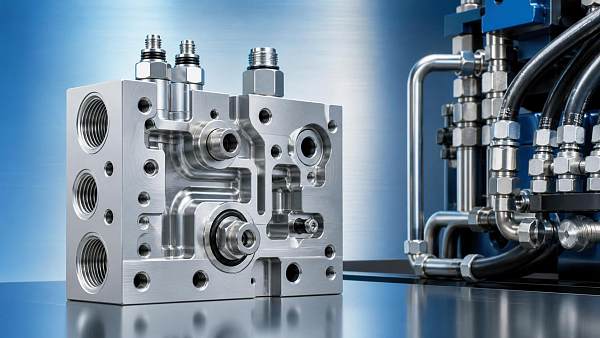
Even support components matter. Fasteners loosening under vibration, hydraulic drift in lifts, or connector wear in mobile assets can begin as tiny reliability losses.
- Transfer interfaces between systems from different vendors
- Narrow aisles with crossing traffic
- Manual-automated touchpoints
- High-speed zones with inconsistent load presentation
- Assets lacking condition-based monitoring
This is why Automated Material Handling performance should be assessed as an ecosystem, not as isolated equipment uptime percentages.
How can bottlenecks be diagnosed before they become expensive?
Start with granular data. Average hourly throughput is not enough. Use event-level timestamps, queue histories, route completion times, and maintenance codes.
Then map losses across three layers: physical equipment, control logic, and operating practice. This prevents software teams and maintenance teams from blaming each other.
Practical diagnostic sequence
- Identify the first recurring delay, not the loudest alarm
- Measure queue buildup before and after that point
- Compare design assumptions with actual item mix and flow density
- Review wear items, alignment, battery health, and sensor cleanliness
- Validate control rules during peak and off-peak conditions
A digital twin or simulation can help, but field verification remains essential. Real friction, dust, vibration, and packaging variability often explain what software models miss.
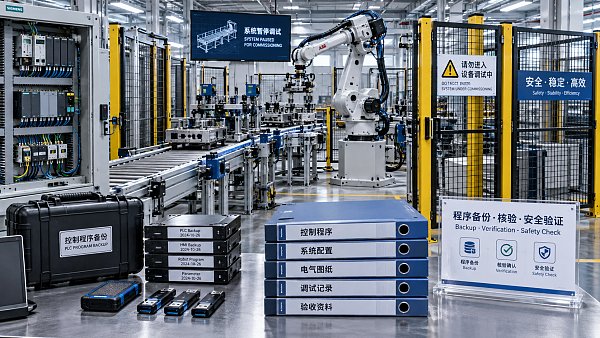
Documentation quality also supports faster diagnosis. Reference structures, including entries like 无, should connect assets, parts history, and corrective actions clearly.
For Automated Material Handling, the most valuable diagnosis is not just identifying failure. It is identifying the earliest repeatable signal of future failure.
What mistakes make Automated Material Handling bottlenecks worse?
One common mistake is chasing utilization instead of flow. Maximizing every machine can actually increase congestion, blocking, and unnecessary recirculation.
Another mistake is overconfidence in average KPI dashboards. Average values hide short bursts of instability that damage service levels during critical windows.
A third mistake is delaying minor repairs. Small alignment corrections, fastener replacement, or sensor recalibration may look low priority until throughput losses become structural.
Poor change management also causes trouble. A packaging update, new SKU dimension, or revised routing logic can introduce friction into a previously stable flow path.
The best Automated Material Handling strategy treats bottlenecks as evolving patterns, not one-time incidents.
What is the most effective next step to prevent small bottlenecks?
Create a review routine focused on early constraints. Measure micro-stops, queue depth, intervention rates, transfer accuracy, and repeat maintenance events every week.
Link these findings to root-cause actions. Some fixes are mechanical. Others require software tuning, layout revision, item standardization, or spare parts policy changes.
In Automated Material Handling, resilience grows when small losses are investigated immediately. That discipline prevents hidden friction from becoming a system-wide capacity ceiling.
The strongest operations do not wait for dramatic failure. They study weak signals, correct them early, and protect flow before bottlenecks become expensive facts.
Recommended News
 Oct 17, 2026Electromagnetic Flow Meters for Slurry: Choosing Abrasion-Resistant LinersElectromagnetic flow meters for slurry need durable liners. Compare polyurethane, rubber, and PTFE/PFA for abrasion, chemistry, and temperature to choose wisely and reduce downtime.● Dr. Victor Gear
 Oct 17, 2026Is an AMR System Worth the Investment for a Mid-Size Warehouse?Is an AMR system worth the investment for a mid-size warehouse? Explore labor savings, total costs, and payback scenarios to build a credible ROI case before you invest.● Dr. Victor Gear
 Oct 17, 2026How Long Does It Take to Deploy Autonomous Mobile Robots?How long does it take to deploy autonomous mobile robots? Explore pilot-to-production timelines, key delay factors, and practical ways to accelerate a safe, reliable AMR rollout.● Dr. Victor Gear
 Oct 16, 2026What Should You Compare Before Buying Material Handling Automation?What should I compare before buying automated material handling equipment? Explore throughput, integration, safety, and lifecycle costs to avoid hidden risks and invest with confidence.● Dr. Victor Gear
 Oct 16, 2026Can Material Handling Automation Cut Labor Costs Without Disruption?Can automated material handling reduce labor costs without disrupting operations? Discover how phased rollouts, reliable fallbacks, and smart system selection can cut costs and protect throughput.● Dr. Victor Gear
 Oct 15, 2026How Do You Qualify a Material Handling Integrator Before Awarding Work?How do I qualify a system integrator before awarding a project? Learn how to verify experience, assess controls expertise, and set acceptance criteria to reduce material handling project risks.● Dr. Victor Gear
 Oct 15, 2026What Are the Risks of Switching Automation Integrators Mid-Project?What are the risks of changing system integrators mid-project? Explore delays, rework, software rights, and safety gaps—and learn how to protect your project with a controlled takeover.● Dr. Victor Gear
 Sep 01, 2026Fluid Power Aluminum Body Selection: Pressure, Corrosion, and Weight CriteriaFluid Power aluminum body selection made clear: compare pressure duty, corrosion protection, fatigue risk, sealing, and assembly weight for reliable performance.● Dr. Victor Gear
 Aug 11, 2026European Flow Control Standards: What Engineers Must Check for ComplianceFlow control standards Europe: learn the key compliance checks engineers must verify, from PED and CE marking to pressure ratings, traceability, and documentation.● Dr. Victor Gear
 Aug 10, 2026Flow Control in North America: What Buyers Should Evaluate in SuppliersFlow Control North America: Learn what buyers should evaluate in suppliers, from engineering quality and compliance to delivery reliability and technical support.● Dr. Victor Gear
 Aug 06, 2026Warehouse Automation Investment in 2026: How to Evaluate ROI, Labor Savings, and ScaleWarehouse automation investment 2026 explained: learn how to assess ROI, labor savings, integration risk, and scalable growth before committing capital.● Dr. Victor Gear
 Aug 04, 2026How to Evaluate a Turbine Flow Meters Manufacturer for Accuracy-Critical ApplicationsTurbine flow meters manufacturer selection starts with calibration, traceability, and mechanical quality. Learn how to compare suppliers for accuracy-critical applications.● Dr. Victor Gear
 Jul 31, 2026How to Choose Directional Control Valves for Industrial Machinery ApplicationsDirectional Control Valves for industrial machinery: learn how to match motion, pressure, flow, actuation, and reliability needs to choose the right valve with confidence.● Dr. Victor Gear
 Jul 17, 2026How to Choose an ATEX Intelligent Flow Metering System for Hazardous AreasIntelligent Flow Metering ATEX selection starts with safety, process fit, and compliance. Learn how to choose a reliable system for hazardous areas with confidence.● Dr. Victor Gear
 Jul 15, 2026How to Select Flanged Electromagnetic Flow Meters for Water and Chemical LinesFlanged electromagnetic flow meters for water and chemical lines: learn how to match conductivity, materials, pressure, and installation for accurate, reliable, low-maintenance performance.● Dr. Victor Gear
 Jul 11, 2026Order Management Systems for Ecommerce: Key Features, Integrations, and Selection CriteriaOrder management systems ecommerce teams rely on can improve inventory accuracy, fulfillment speed, and integrations. Explore key features and smart selection criteria.● Dr. Victor Gear
 Jul 09, 2026ASRS Systems Mini Load: When It Fits Small Parts Storage and What to Check FirstASRS Systems mini load explained: learn when it truly fits small parts storage, what to check first, and how to avoid costly mistakes before comparing vendors.● Dr. Victor Gear
 Jul 06, 2026How to Choose Smart Warehouse Integrators for Multi-Site Automation ProjectsSmart warehouse integrators can make or break multi-site automation. Learn how to compare design, software, rollout, and support capabilities to choose a scalable partner.● Dr. Victor Gear
 Jul 04, 2026Digital Insertion Flow Meter Selection Guide: Pipe Size, Accuracy, and Installation LimitsDigital insertion flow meter selection made practical: learn how pipe size, accuracy, flow profile, and installation limits affect performance, cost, and reliable industrial operation.● Dr. Victor Gear
 Jul 03, 2026How to Choose CE Solenoid Valves: Voltage, Media Compatibility, and IP RatingCE Solenoid Valves selection starts with the right voltage, media compatibility, and IP rating. Learn how to avoid failure, reduce downtime, and choose valves that truly fit your application.● Dr. Victor Gear
 Jul 01, 2026How to Evaluate a Flow Control Valve Manufacturer for Pressure Stability and Lead TimeFlow Control valve manufacturer selection starts with pressure stability and proven lead time. Learn how to compare suppliers, reduce downtime risk, and improve long-term sourcing confidence.● Dr. Victor Gear
 Jun 30, 2026How to Evaluate a Fluid Power Exporter for Lead Time, Certifications, and After-Sales SupportFluid Power exporter evaluation made practical: learn how to verify lead times, certifications, and after-sales support to reduce sourcing risk, avoid downtime, and choose a reliable partner.● Dr. Victor Gear
 Jun 29, 2026Where LoRaWAN Flow Sensors Fit Best: Remote Tank Monitoring, Water Networks, and Utility SitesLoRaWAN flow sensors fit best in remote tank monitoring, water networks, and utility sites. Learn where they add the most value, improve visibility, and support smarter maintenance decisions.● Dr. Victor Gear
 Jun 28, 2026Fluid Power Steel Manifold Selection Guide: Ports, Pressure Ratings, and Layout BasicsFluid Power steel manifold selection made simple: compare port types, pressure ratings, and layout basics to reduce leaks, improve uptime, and choose the right solution with confidence.● Dr. Victor Gear