Hot Articles
Popular Tags
Is Automated Material Handling worth scaling this year
As project timelines tighten and throughput targets rise, many leaders are asking whether Automated Material Handling is worth scaling this year. For project managers and engineering leads, the answer depends on more than automation alone—it requires a clear view of ROI, system reliability, integration risk, and long-term operational resilience. This article examines the strategic value of scaling AMH in complex industrial environments.
What does Automated Material Handling really include today?
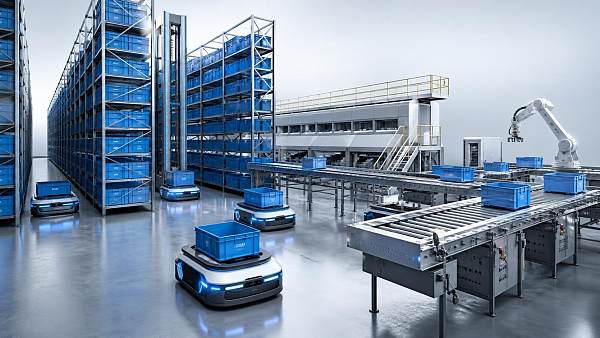
Automated Material Handling covers systems that move, store, sort, and track materials with limited manual intervention.
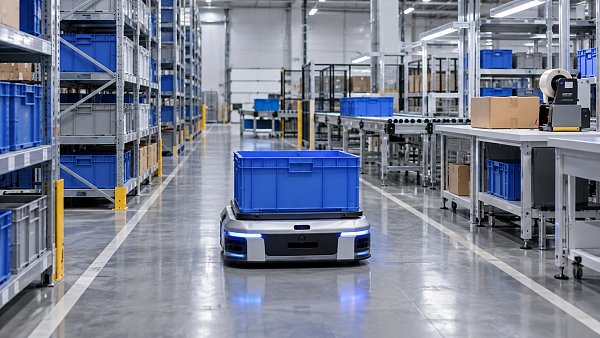
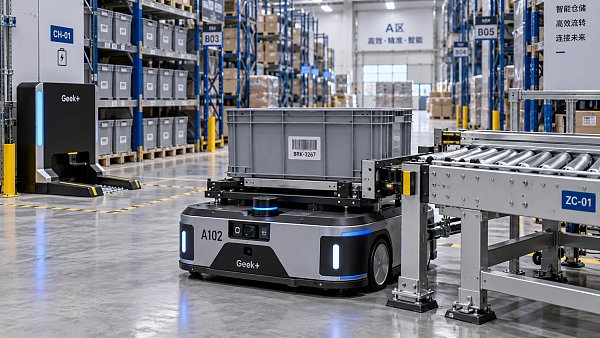
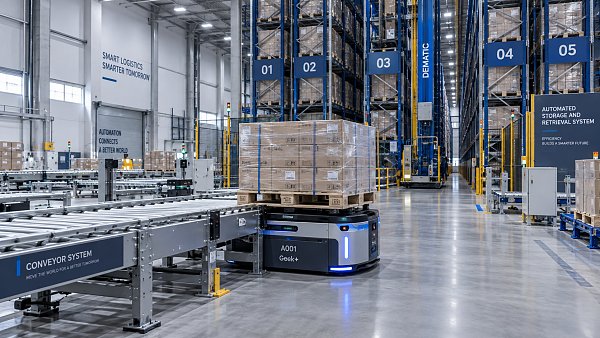
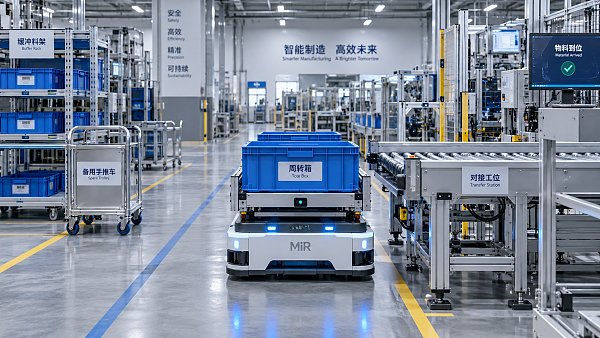
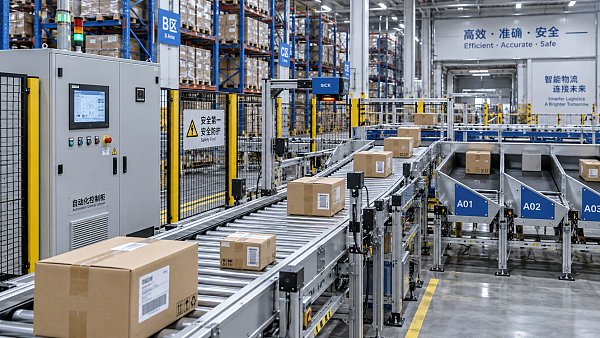
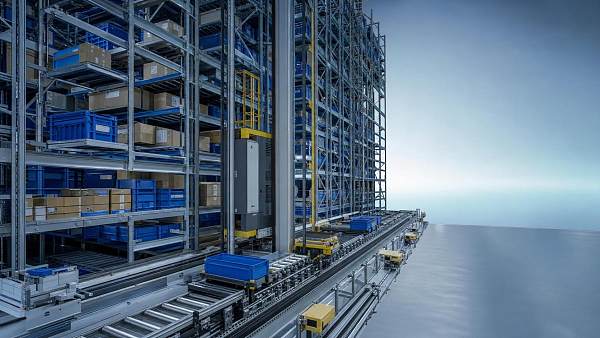
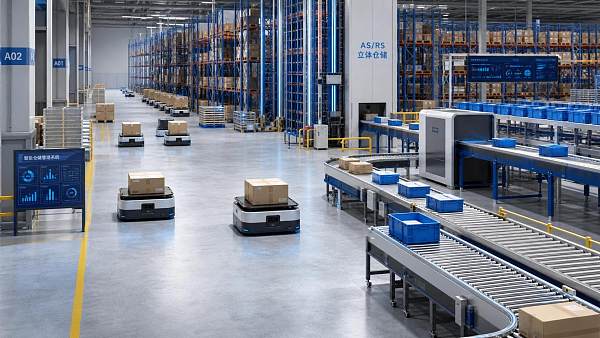
It includes conveyors, AS/RS, shuttle systems, sorters, palletizers, AMRs, AGVs, lift modules, and robotic transfer cells.
Modern Automated Material Handling also depends on software layers. These coordinate routing, inventory visibility, safety, diagnostics, and workload balancing.
In comprehensive industries, AMH is no longer limited to warehouses. It now supports production lines, spare parts logistics, and cross-dock operations.
The scaling question matters because AMH has evolved from isolated equipment into a connected operating model.
Why is the definition important for scaling decisions?
A narrow definition often leads to underbudgeted projects. Hardware may be purchased, yet interfaces, controls, and lifecycle support remain overlooked.
A broader definition improves planning. It captures software integration, mechanical uptime, data standards, and operator safety requirements.
Is Automated Material Handling worth scaling this year from a financial perspective?
Yes, but only when financial evaluation goes beyond labor savings. The strongest business cases combine throughput, accuracy, resilience, and space optimization.
Automated Material Handling often reduces repetitive movement, search time, mispicks, and unplanned waiting between process steps.
That creates value in several forms, including shorter cycle times, lower damage rates, and more predictable output under peak demand.
Which ROI drivers matter most?
- Higher throughput without proportional headcount growth
- Reduced inventory touches and material damage
- Improved slotting, storage density, and floor space use
- Better labor allocation toward skilled tasks
- Fewer line stoppages caused by internal logistics delays
However, Automated Material Handling can disappoint when demand is unstable, process design is weak, or maintenance readiness is low.
Scaling this year makes more sense when current bottlenecks are measurable and volume visibility is reasonably strong.
How should payback be judged?
Use a multi-layer model. Include capital cost, software licenses, commissioning, spare parts, training, and downtime during changeover.
Then compare that with expected gains over three to seven years, not only the first operating quarter.
Where does Automated Material Handling create the strongest operational impact?
Automated Material Handling delivers the greatest impact where internal movement limits output more than machine capacity does.
This often happens in mixed-product environments, multi-shift operations, and facilities with strict traceability requirements.
High-value application scenarios
- Buffering parts between upstream machining and downstream assembly
- Feeding heavy or hazardous materials to controlled production zones
- Automating replenishment for high-frequency picking areas
- Linking receiving, inspection, and storage with digital tracking
- Supporting spare parts fulfillment with fast retrieval and low error rates
In these settings, Automated Material Handling improves process stability, not just speed. That distinction is crucial for scaling decisions.
Stability means consistent delivery under labor shortages, seasonal spikes, and variable product mix.
When is scaling less attractive?
It may be less attractive when layouts change monthly, SKU behavior is poorly understood, or digital master data remains unreliable.
In those cases, phased automation or modular AMH can outperform large fixed installations.
What risks can make Automated Material Handling scaling fail?
The biggest risk is automating a weak process. If travel paths, replenishment logic, or inventory discipline are flawed, AMH scales those flaws.
Another major risk is integration complexity. Automated Material Handling must connect with ERP, WMS, MES, PLCs, and safety systems.
If interface ownership is unclear, go-live delays become likely. Small data mismatches can trigger large operational disruptions.
Common scaling mistakes
- Choosing speed over maintainability
- Ignoring spare parts and service coverage
- Undervaluing operator training and change management
- Designing for average volume instead of peak conditions
- Missing cybersecurity and network resilience planning
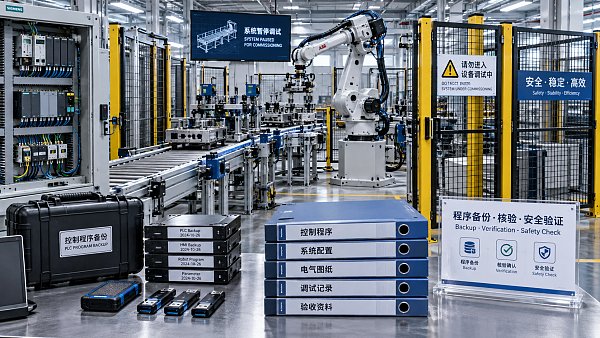
Risk control starts with a realistic commissioning plan. Pilot zones, simulation, and acceptance testing reduce surprises.
For Automated Material Handling, reliability often matters more than maximum rated performance.
How does Automated Material Handling compare with manual or semi-automated approaches?
Manual handling offers flexibility and lower initial cost. It is useful when product flow changes constantly or capital budgets are constrained.
Semi-automated handling sits in the middle. It may use assisted picking, powered transport, or guided workflows without full system orchestration.
Automated Material Handling provides the strongest control over repeatability, traceability, and round-the-clock performance.
The right choice depends on process maturity. Scaling Automated Material Handling works best when operational rules are already stable.
What should be checked before scaling Automated Material Handling this year?
A clear readiness review is essential. It prevents costly overdesign and highlights whether automation should be phased or expanded immediately.
Practical readiness checklist
- Are bottlenecks quantified by time, distance, and error frequency?
- Is SKU velocity data clean enough for slotting and routing logic?
- Can existing systems exchange data reliably in real time?
- Is maintenance capability prepared for mechatronic assets?
- Are safety, network, and backup procedures already defined?
- Does the layout support future expansion without major reconstruction?
If several answers are no, Automated Material Handling may still be worthwhile, but only through staged implementation.
A staged plan can start with transport automation, then add storage automation, analytics, and advanced orchestration.
FAQ quick-reference table
Automated Material Handling is worth scaling this year when it solves a defined operational problem and fits a realistic integration roadmap.
The strongest cases are built on stable flow patterns, reliable data, maintainable equipment, and disciplined commissioning.
If uncertainty is high, scale in modules. Validate each phase with throughput, uptime, and error metrics before expanding further.
That approach turns Automated Material Handling from a capital gamble into a controlled industrial capability with long-term value.
Recommended News
 Oct 17, 2026Electromagnetic Flow Meters for Slurry: Choosing Abrasion-Resistant LinersElectromagnetic flow meters for slurry need durable liners. Compare polyurethane, rubber, and PTFE/PFA for abrasion, chemistry, and temperature to choose wisely and reduce downtime.● Dr. Victor Gear
 Oct 17, 2026Is an AMR System Worth the Investment for a Mid-Size Warehouse?Is an AMR system worth the investment for a mid-size warehouse? Explore labor savings, total costs, and payback scenarios to build a credible ROI case before you invest.● Dr. Victor Gear
 Oct 17, 2026How Long Does It Take to Deploy Autonomous Mobile Robots?How long does it take to deploy autonomous mobile robots? Explore pilot-to-production timelines, key delay factors, and practical ways to accelerate a safe, reliable AMR rollout.● Dr. Victor Gear
 Oct 16, 2026What Should You Compare Before Buying Material Handling Automation?What should I compare before buying automated material handling equipment? Explore throughput, integration, safety, and lifecycle costs to avoid hidden risks and invest with confidence.● Dr. Victor Gear
 Oct 16, 2026Can Material Handling Automation Cut Labor Costs Without Disruption?Can automated material handling reduce labor costs without disrupting operations? Discover how phased rollouts, reliable fallbacks, and smart system selection can cut costs and protect throughput.● Dr. Victor Gear
 Oct 15, 2026How Do You Qualify a Material Handling Integrator Before Awarding Work?How do I qualify a system integrator before awarding a project? Learn how to verify experience, assess controls expertise, and set acceptance criteria to reduce material handling project risks.● Dr. Victor Gear
 Oct 15, 2026What Are the Risks of Switching Automation Integrators Mid-Project?What are the risks of changing system integrators mid-project? Explore delays, rework, software rights, and safety gaps—and learn how to protect your project with a controlled takeover.● Dr. Victor Gear
 Sep 01, 2026Fluid Power Aluminum Body Selection: Pressure, Corrosion, and Weight CriteriaFluid Power aluminum body selection made clear: compare pressure duty, corrosion protection, fatigue risk, sealing, and assembly weight for reliable performance.● Dr. Victor Gear
 Aug 11, 2026European Flow Control Standards: What Engineers Must Check for ComplianceFlow control standards Europe: learn the key compliance checks engineers must verify, from PED and CE marking to pressure ratings, traceability, and documentation.● Dr. Victor Gear
 Aug 10, 2026Flow Control in North America: What Buyers Should Evaluate in SuppliersFlow Control North America: Learn what buyers should evaluate in suppliers, from engineering quality and compliance to delivery reliability and technical support.● Dr. Victor Gear
 Aug 06, 2026Warehouse Automation Investment in 2026: How to Evaluate ROI, Labor Savings, and ScaleWarehouse automation investment 2026 explained: learn how to assess ROI, labor savings, integration risk, and scalable growth before committing capital.● Dr. Victor Gear
 Aug 04, 2026How to Evaluate a Turbine Flow Meters Manufacturer for Accuracy-Critical ApplicationsTurbine flow meters manufacturer selection starts with calibration, traceability, and mechanical quality. Learn how to compare suppliers for accuracy-critical applications.● Dr. Victor Gear
 Jul 31, 2026How to Choose Directional Control Valves for Industrial Machinery ApplicationsDirectional Control Valves for industrial machinery: learn how to match motion, pressure, flow, actuation, and reliability needs to choose the right valve with confidence.● Dr. Victor Gear
 Jul 17, 2026How to Choose an ATEX Intelligent Flow Metering System for Hazardous AreasIntelligent Flow Metering ATEX selection starts with safety, process fit, and compliance. Learn how to choose a reliable system for hazardous areas with confidence.● Dr. Victor Gear
 Jul 15, 2026How to Select Flanged Electromagnetic Flow Meters for Water and Chemical LinesFlanged electromagnetic flow meters for water and chemical lines: learn how to match conductivity, materials, pressure, and installation for accurate, reliable, low-maintenance performance.● Dr. Victor Gear
 Jul 11, 2026Order Management Systems for Ecommerce: Key Features, Integrations, and Selection CriteriaOrder management systems ecommerce teams rely on can improve inventory accuracy, fulfillment speed, and integrations. Explore key features and smart selection criteria.● Dr. Victor Gear
 Jul 09, 2026ASRS Systems Mini Load: When It Fits Small Parts Storage and What to Check FirstASRS Systems mini load explained: learn when it truly fits small parts storage, what to check first, and how to avoid costly mistakes before comparing vendors.● Dr. Victor Gear
 Jul 06, 2026How to Choose Smart Warehouse Integrators for Multi-Site Automation ProjectsSmart warehouse integrators can make or break multi-site automation. Learn how to compare design, software, rollout, and support capabilities to choose a scalable partner.● Dr. Victor Gear
 Jul 04, 2026Digital Insertion Flow Meter Selection Guide: Pipe Size, Accuracy, and Installation LimitsDigital insertion flow meter selection made practical: learn how pipe size, accuracy, flow profile, and installation limits affect performance, cost, and reliable industrial operation.● Dr. Victor Gear
 Jul 03, 2026How to Choose CE Solenoid Valves: Voltage, Media Compatibility, and IP RatingCE Solenoid Valves selection starts with the right voltage, media compatibility, and IP rating. Learn how to avoid failure, reduce downtime, and choose valves that truly fit your application.● Dr. Victor Gear
 Jul 01, 2026How to Evaluate a Flow Control Valve Manufacturer for Pressure Stability and Lead TimeFlow Control valve manufacturer selection starts with pressure stability and proven lead time. Learn how to compare suppliers, reduce downtime risk, and improve long-term sourcing confidence.● Dr. Victor Gear
 Jun 30, 2026How to Evaluate a Fluid Power Exporter for Lead Time, Certifications, and After-Sales SupportFluid Power exporter evaluation made practical: learn how to verify lead times, certifications, and after-sales support to reduce sourcing risk, avoid downtime, and choose a reliable partner.● Dr. Victor Gear
 Jun 29, 2026Where LoRaWAN Flow Sensors Fit Best: Remote Tank Monitoring, Water Networks, and Utility SitesLoRaWAN flow sensors fit best in remote tank monitoring, water networks, and utility sites. Learn where they add the most value, improve visibility, and support smarter maintenance decisions.● Dr. Victor Gear
 Jun 28, 2026Fluid Power Steel Manifold Selection Guide: Ports, Pressure Ratings, and Layout BasicsFluid Power steel manifold selection made simple: compare port types, pressure ratings, and layout basics to reduce leaks, improve uptime, and choose the right solution with confidence.● Dr. Victor Gear