Hot Articles
Popular Tags
Why automated material handling plans stall after launch
Automated Material Handling initiatives often look successful on launch day, yet many lose speed soon afterward. The issue is rarely weak equipment, software, or robotics capability.
Most post-launch slowdowns come from planning gaps. Integration friction, unstable data, weak operating discipline, and unclear ownership quietly reduce throughput and confidence.
In complex industrial environments, Automated Material Handling must perform across changing product mixes, maintenance cycles, labor conditions, and ERP or WMS updates.
When rollout plans focus only on installation, the system may go live but fail to scale. That is why understanding post-launch stall patterns matters.
Automated Material Handling and the meaning of launch success
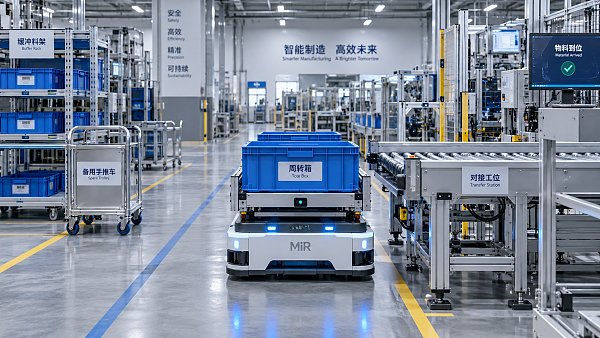
Automated Material Handling covers equipment and software that move, store, identify, sequence, and control material flow with reduced manual intervention.
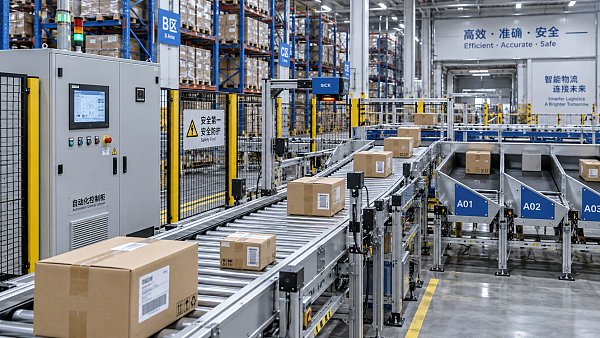
Typical systems include conveyors, AS/RS, AMR fleets, sortation, palletizing cells, lift modules, sensors, and warehouse control layers.
A launch is not true success because machines start running. Real success means stable throughput, predictable exception handling, measurable uptime, and repeatable operator behavior.
It also means the Automated Material Handling environment can absorb schedule changes, SKU growth, and upstream disruptions without constant emergency intervention.
What a healthy post-launch state looks like
- Control logic matches actual operating rules.
- Master data supports routing, slotting, and prioritization.
- Downtime codes reveal root causes quickly.
- Maintenance, operations, and IT follow shared escalation paths.
- Change requests are governed, not improvised.
Why Automated Material Handling plans stall after launch
The most common reason is an installation mindset. Teams validate commissioning milestones but underprepare for the operating reality that follows go-live.
Many Automated Material Handling projects assume process stability that does not exist. Variability then overwhelms the system during normal production pressure.
Key stall drivers seen across industries
These issues are not isolated to warehousing. They affect production buffering, finished goods flow, component delivery, and returns handling across the broader industrial chain.
Industry signals shaping post-launch risk
Current industrial conditions make Automated Material Handling more valuable, but also more exposed to execution gaps after launch.
- Higher SKU variety increases routing complexity and software dependency.
- Regional sourcing changes alter inbound patterns and receiving logic.
- Labor volatility raises reliance on automation consistency.
- Downtime costs rise as production systems become more synchronized.
- Cyber and data governance requirements expand system validation needs.
Because of these signals, launch planning must extend beyond mechanical readiness. The control environment, data governance, and support model become equally important.
Why momentum fades even when KPIs look acceptable
Some sites hit short-term throughput targets by adding labor, extra supervision, or manual overrides. That masks structural weakness inside the Automated Material Handling design.
Once project teams leave, those hidden supports disappear. Performance then drifts, and the operation labels the system “difficult” rather than underprepared.
Business value at risk when Automated Material Handling stalls
A stalled rollout affects more than productivity. It weakens planning reliability, customer service levels, maintenance budgets, and confidence in future automation investment.
- ROI is delayed because designed capacity is never reached.
- Inventory accuracy declines when manual workarounds grow.
- Safety exposure increases when bypass behavior becomes normal.
- Capital planning suffers when leaders cannot trust performance data.
- Scalability weakens because every expansion repeats unresolved issues.
For global operations, Automated Material Handling problems can also spread across sites. A flawed template in one launch often becomes a repeated weakness elsewhere.
Typical scenarios where post-launch stall appears first
The earliest signs usually emerge where process variability is high and exception paths were not fully tested before go-live.
Practical steps to prevent an Automated Material Handling stall
The strongest prevention strategy treats go-live as the start of controlled learning, not the end of project delivery.
1. Build an integration map around real events
Document every trigger, message, fallback rule, and exception path between controls, WCS, WMS, MES, ERP, and quality systems.
Then test abnormal states, not only normal flow. Automated Material Handling often stalls during partial failure, not standard production.
2. Treat data as commissioning scope
Item dimensions, pack rules, barcode quality, location logic, and handling attributes should be validated before volume ramps.
If master data remains uncontrolled, Automated Material Handling performance will stay unstable regardless of mechanical quality.
3. Define post-launch ownership clearly
Assign responsibility for system tuning, root-cause review, spare parts governance, user training, vendor coordination, and change approval.
Ownership should be visible in a simple operating model, not buried inside project documents.
4. Measure adoption, not only output
Track override frequency, manual touches, training completion, alarm response time, and repeated faults by shift.
These indicators reveal whether Automated Material Handling is becoming operationally normal or merely being forced through daily pressure.
5. Create a structured stabilization window
Use a 30-, 60-, and 90-day review cycle. Confirm throughput, exception rates, maintenance health, software issues, and data correction status.
This prevents small launch defects from becoming permanent operating habits.
A grounded next step for stronger rollout continuity
If an Automated Material Handling plan seems slow after launch, start with a focused audit of integration events, exception handling, and ownership clarity.
Review where manual workarounds appear, which alarms repeat, and which data fields cause routing or identification errors.
Then convert findings into a stabilization roadmap with named owners, review dates, and measurable operating targets.
Automated Material Handling delivers lasting value when launch planning includes the first months of reality, not only the first day of operation.
Recommended News
 Oct 17, 2026Electromagnetic Flow Meters for Slurry: Choosing Abrasion-Resistant LinersElectromagnetic flow meters for slurry need durable liners. Compare polyurethane, rubber, and PTFE/PFA for abrasion, chemistry, and temperature to choose wisely and reduce downtime.● Dr. Victor Gear
 Oct 17, 2026Is an AMR System Worth the Investment for a Mid-Size Warehouse?Is an AMR system worth the investment for a mid-size warehouse? Explore labor savings, total costs, and payback scenarios to build a credible ROI case before you invest.● Dr. Victor Gear
 Oct 17, 2026How Long Does It Take to Deploy Autonomous Mobile Robots?How long does it take to deploy autonomous mobile robots? Explore pilot-to-production timelines, key delay factors, and practical ways to accelerate a safe, reliable AMR rollout.● Dr. Victor Gear
 Oct 16, 2026What Should You Compare Before Buying Material Handling Automation?What should I compare before buying automated material handling equipment? Explore throughput, integration, safety, and lifecycle costs to avoid hidden risks and invest with confidence.● Dr. Victor Gear
 Oct 16, 2026Can Material Handling Automation Cut Labor Costs Without Disruption?Can automated material handling reduce labor costs without disrupting operations? Discover how phased rollouts, reliable fallbacks, and smart system selection can cut costs and protect throughput.● Dr. Victor Gear
 Oct 15, 2026How Do You Qualify a Material Handling Integrator Before Awarding Work?How do I qualify a system integrator before awarding a project? Learn how to verify experience, assess controls expertise, and set acceptance criteria to reduce material handling project risks.● Dr. Victor Gear
 Oct 15, 2026What Are the Risks of Switching Automation Integrators Mid-Project?What are the risks of changing system integrators mid-project? Explore delays, rework, software rights, and safety gaps—and learn how to protect your project with a controlled takeover.● Dr. Victor Gear
 Sep 01, 2026Fluid Power Aluminum Body Selection: Pressure, Corrosion, and Weight CriteriaFluid Power aluminum body selection made clear: compare pressure duty, corrosion protection, fatigue risk, sealing, and assembly weight for reliable performance.● Dr. Victor Gear
 Aug 11, 2026European Flow Control Standards: What Engineers Must Check for ComplianceFlow control standards Europe: learn the key compliance checks engineers must verify, from PED and CE marking to pressure ratings, traceability, and documentation.● Dr. Victor Gear
 Aug 10, 2026Flow Control in North America: What Buyers Should Evaluate in SuppliersFlow Control North America: Learn what buyers should evaluate in suppliers, from engineering quality and compliance to delivery reliability and technical support.● Dr. Victor Gear
 Aug 06, 2026Warehouse Automation Investment in 2026: How to Evaluate ROI, Labor Savings, and ScaleWarehouse automation investment 2026 explained: learn how to assess ROI, labor savings, integration risk, and scalable growth before committing capital.● Dr. Victor Gear
 Aug 04, 2026How to Evaluate a Turbine Flow Meters Manufacturer for Accuracy-Critical ApplicationsTurbine flow meters manufacturer selection starts with calibration, traceability, and mechanical quality. Learn how to compare suppliers for accuracy-critical applications.● Dr. Victor Gear
 Jul 31, 2026How to Choose Directional Control Valves for Industrial Machinery ApplicationsDirectional Control Valves for industrial machinery: learn how to match motion, pressure, flow, actuation, and reliability needs to choose the right valve with confidence.● Dr. Victor Gear
 Jul 17, 2026How to Choose an ATEX Intelligent Flow Metering System for Hazardous AreasIntelligent Flow Metering ATEX selection starts with safety, process fit, and compliance. Learn how to choose a reliable system for hazardous areas with confidence.● Dr. Victor Gear
 Jul 15, 2026How to Select Flanged Electromagnetic Flow Meters for Water and Chemical LinesFlanged electromagnetic flow meters for water and chemical lines: learn how to match conductivity, materials, pressure, and installation for accurate, reliable, low-maintenance performance.● Dr. Victor Gear
 Jul 11, 2026Order Management Systems for Ecommerce: Key Features, Integrations, and Selection CriteriaOrder management systems ecommerce teams rely on can improve inventory accuracy, fulfillment speed, and integrations. Explore key features and smart selection criteria.● Dr. Victor Gear
 Jul 09, 2026ASRS Systems Mini Load: When It Fits Small Parts Storage and What to Check FirstASRS Systems mini load explained: learn when it truly fits small parts storage, what to check first, and how to avoid costly mistakes before comparing vendors.● Dr. Victor Gear
 Jul 06, 2026How to Choose Smart Warehouse Integrators for Multi-Site Automation ProjectsSmart warehouse integrators can make or break multi-site automation. Learn how to compare design, software, rollout, and support capabilities to choose a scalable partner.● Dr. Victor Gear
 Jul 04, 2026Digital Insertion Flow Meter Selection Guide: Pipe Size, Accuracy, and Installation LimitsDigital insertion flow meter selection made practical: learn how pipe size, accuracy, flow profile, and installation limits affect performance, cost, and reliable industrial operation.● Dr. Victor Gear
 Jul 03, 2026How to Choose CE Solenoid Valves: Voltage, Media Compatibility, and IP RatingCE Solenoid Valves selection starts with the right voltage, media compatibility, and IP rating. Learn how to avoid failure, reduce downtime, and choose valves that truly fit your application.● Dr. Victor Gear
 Jul 01, 2026How to Evaluate a Flow Control Valve Manufacturer for Pressure Stability and Lead TimeFlow Control valve manufacturer selection starts with pressure stability and proven lead time. Learn how to compare suppliers, reduce downtime risk, and improve long-term sourcing confidence.● Dr. Victor Gear
 Jun 30, 2026How to Evaluate a Fluid Power Exporter for Lead Time, Certifications, and After-Sales SupportFluid Power exporter evaluation made practical: learn how to verify lead times, certifications, and after-sales support to reduce sourcing risk, avoid downtime, and choose a reliable partner.● Dr. Victor Gear
 Jun 29, 2026Where LoRaWAN Flow Sensors Fit Best: Remote Tank Monitoring, Water Networks, and Utility SitesLoRaWAN flow sensors fit best in remote tank monitoring, water networks, and utility sites. Learn where they add the most value, improve visibility, and support smarter maintenance decisions.● Dr. Victor Gear
 Jun 28, 2026Fluid Power Steel Manifold Selection Guide: Ports, Pressure Ratings, and Layout BasicsFluid Power steel manifold selection made simple: compare port types, pressure ratings, and layout basics to reduce leaks, improve uptime, and choose the right solution with confidence.● Dr. Victor Gear