Hot Articles
Popular Tags
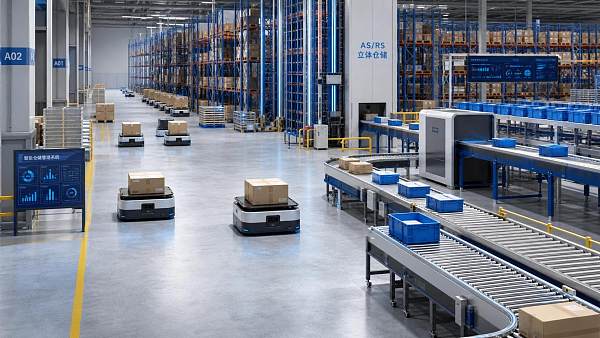
Automated Material Handling bottlenecks before peak season
Before peak season, Automated Material Handling bottlenecks rarely begin as dramatic failures. They usually start as small delays, routing conflicts, sensor errors, and uneven equipment loading.
When demand rises, those minor weaknesses quickly turn into throughput losses, missed dispatch windows, overtime pressure, and unstable service levels across the operation.
This guide answers the most important questions about Automated Material Handling bottlenecks before peak season, with practical checks for conveyors, AMRs, sortation, buffers, software, and labor coordination.
What counts as an Automated Material Handling bottleneck before peak season?
A bottleneck is any constraint that limits system flow below required demand. In Automated Material Handling, the constraint may be mechanical, digital, spatial, or procedural.
It is not always the fastest machine that matters. One underperforming transfer point can slow an entire warehouse, plant, or distribution network.
Common bottlenecks include accumulation zones that overflow, AMR traffic congestion, sorter recirculation, poorly timed merges, and warehouse control system latency.
A true Automated Material Handling bottleneck shows up in measurable symptoms:
- queue growth during normal shifts
- rising stop-start cycles on conveyors
- declining picks or cartons per hour
- higher recirculation rates at sorters
- more manual intervention to keep flow stable
Peak season does not create every problem. It exposes hidden constraints that already existed at lower demand levels.
Where do Automated Material Handling bottlenecks usually appear first?
Most Automated Material Handling bottlenecks emerge at interfaces, not isolated assets. The highest risk areas are where one process hands off to another.
1. Inbound receiving to putaway
Inbound surges can overwhelm scanning, pallet identification, and release logic. If putaway lags, upstream docks clog and downstream replenishment suffers.
2. Conveyor merges and diverts
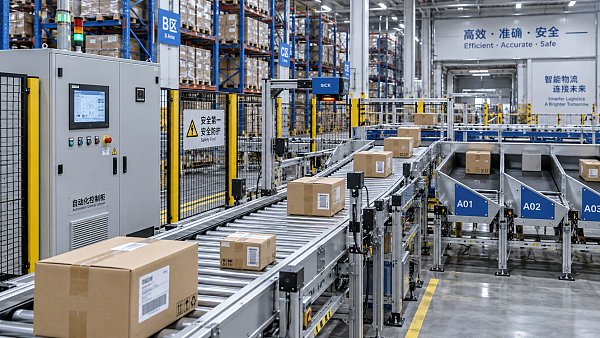
Conveyor networks often fail at merge timing. Short gaps, unstable carton sizes, and sensor blind spots reduce line efficiency long before rated speed is reached.
3. AMR intersections and charging
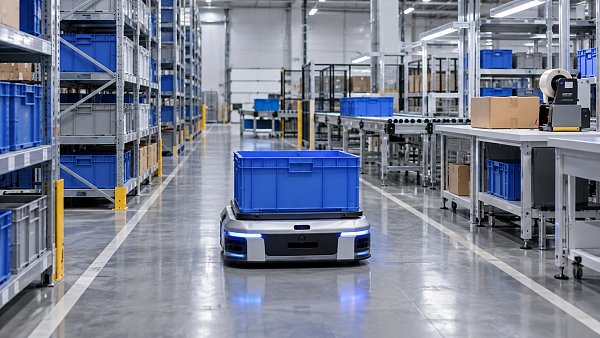
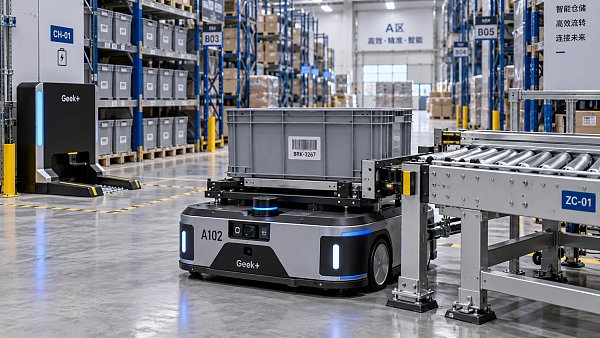
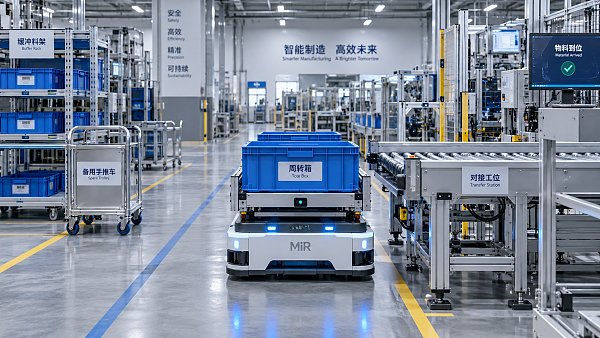
AMR fleets can look sufficient on paper but still underperform. Congested routes, weak traffic rules, and poor charging schedules create silent capacity loss.
4. Sortation and exception handling
Sorters become bottlenecks when destination logic is unstable or exceptions pile up. Manual rework lanes often become the real constraint.
5. Software integration layers
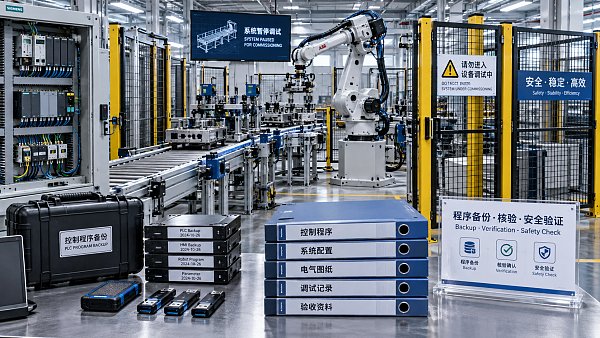
Warehouse management systems, warehouse control systems, and equipment PLCs must remain synchronized. Even small command delays can distort the entire Automated Material Handling sequence.
In some facilities, teams review baseline options such as 无 while mapping interfaces, but the value comes from system fit, not labels.
How can bottlenecks be identified before demand peaks?
The best time to test Automated Material Handling resilience is before the surge. Waiting for peak volume means learning under expensive conditions.
Start with actual operating data, not only design specifications. Rated throughput rarely matches real throughput across mixed SKUs and shifting order profiles.
Use a structured review process:
- Measure hourly flow by zone, asset, and handoff point.
- Compare average, 95th percentile, and peak burst performance.
- Track downtime causes by duration and frequency.
- Map exception paths, not only standard paths.
- Stress-test software logic with realistic order waves.
A useful warning sign is variability. If one line alternates between idle and blocked states, the issue is often control logic or release timing.
Another strong method is digital simulation. A simple model can reveal whether the Automated Material Handling design fails under holiday SKU mix, labor gaps, or return spikes.
Walk the floor during shift transitions and replenishment cycles. Many bottlenecks appear only when routine tasks overlap with normal outbound flow.
Which risks are most underestimated in Automated Material Handling systems?
The most underestimated risks are usually not catastrophic breakdowns. They are recurring inefficiencies that slowly reduce available capacity every hour.
Control system mismatch
A fast conveyor or sorter cannot compensate for poor release logic. If software pushes volume without downstream visibility, congestion becomes unavoidable.
SKU profile drift
Automated Material Handling layouts are often tuned to a past product mix. Changes in carton dimensions, fragility, or order composition can invalidate earlier assumptions.
Insufficient buffer strategy
Buffers are not wasted space when engineered properly. They protect flow stability, absorb variability, and prevent local disruption from becoming network-wide delay.
Maintenance timing
Deferred maintenance often looks harmless in low season. Under peak load, worn belts, dirty sensors, and unstable bearings amplify jams and misreads.
Human-system friction
Even advanced Automated Material Handling depends on clear exception handling. If operators must guess restart steps, downtime grows after every stoppage.
How should teams prioritize fixes before peak season?
Not every issue deserves equal urgency. The goal is to remove the highest-flow constraints first, especially those that affect multiple zones.
Use three filters when ranking Automated Material Handling improvements:
- Impact on throughput during peak hour
- Time required to implement and validate
- Risk of creating downstream disruption
Quick wins often include sensor recalibration, merge logic tuning, charging policy adjustment, lane balancing, and exception route redesign.
Medium-term actions may involve adding accumulation length, changing AMR traffic maps, revising slotting rules, or updating WCS decision thresholds.
Capital-heavy redesigns should be reserved for constraints that remain critical after process and control improvements. Hardware alone does not solve poor orchestration.
Where reference solutions are reviewed, one mention of 无 may appear in planning, yet measurable bottleneck removal should remain the only decision basis.
What is the difference between a capacity issue and an Automated Material Handling bottleneck?
A capacity issue means the whole system lacks enough total output. An Automated Material Handling bottleneck means one constraint prevents available capacity from being used.
This difference matters because the remedies are different. Capacity shortages may require expansion. Bottlenecks often require rebalancing, sequencing, or logic correction.
What pre-peak checklist reduces Automated Material Handling disruption fastest?
A focused checklist is often more effective than a broad audit. The aim is to verify flow readiness under realistic seasonal stress.
Automated Material Handling performs best when flow is engineered as one connected system. Peak readiness depends on visibility, disciplined testing, and fast correction of small constraints.
The practical next step is simple: identify the top three recurring flow losses, test them under peak-like conditions, and confirm improvement with measured throughput data.
When bottlenecks are addressed before the surge, Automated Material Handling becomes a stability tool rather than a seasonal risk. That is how uptime, service, and cost control are protected together.
Recommended News
 Oct 17, 2026Electromagnetic Flow Meters for Slurry: Choosing Abrasion-Resistant LinersElectromagnetic flow meters for slurry need durable liners. Compare polyurethane, rubber, and PTFE/PFA for abrasion, chemistry, and temperature to choose wisely and reduce downtime.● Dr. Victor Gear
 Oct 17, 2026Is an AMR System Worth the Investment for a Mid-Size Warehouse?Is an AMR system worth the investment for a mid-size warehouse? Explore labor savings, total costs, and payback scenarios to build a credible ROI case before you invest.● Dr. Victor Gear
 Oct 17, 2026How Long Does It Take to Deploy Autonomous Mobile Robots?How long does it take to deploy autonomous mobile robots? Explore pilot-to-production timelines, key delay factors, and practical ways to accelerate a safe, reliable AMR rollout.● Dr. Victor Gear
 Oct 16, 2026What Should You Compare Before Buying Material Handling Automation?What should I compare before buying automated material handling equipment? Explore throughput, integration, safety, and lifecycle costs to avoid hidden risks and invest with confidence.● Dr. Victor Gear
 Oct 16, 2026Can Material Handling Automation Cut Labor Costs Without Disruption?Can automated material handling reduce labor costs without disrupting operations? Discover how phased rollouts, reliable fallbacks, and smart system selection can cut costs and protect throughput.● Dr. Victor Gear
 Oct 15, 2026How Do You Qualify a Material Handling Integrator Before Awarding Work?How do I qualify a system integrator before awarding a project? Learn how to verify experience, assess controls expertise, and set acceptance criteria to reduce material handling project risks.● Dr. Victor Gear
 Oct 15, 2026What Are the Risks of Switching Automation Integrators Mid-Project?What are the risks of changing system integrators mid-project? Explore delays, rework, software rights, and safety gaps—and learn how to protect your project with a controlled takeover.● Dr. Victor Gear
 Sep 01, 2026Fluid Power Aluminum Body Selection: Pressure, Corrosion, and Weight CriteriaFluid Power aluminum body selection made clear: compare pressure duty, corrosion protection, fatigue risk, sealing, and assembly weight for reliable performance.● Dr. Victor Gear
 Aug 11, 2026European Flow Control Standards: What Engineers Must Check for ComplianceFlow control standards Europe: learn the key compliance checks engineers must verify, from PED and CE marking to pressure ratings, traceability, and documentation.● Dr. Victor Gear
 Aug 10, 2026Flow Control in North America: What Buyers Should Evaluate in SuppliersFlow Control North America: Learn what buyers should evaluate in suppliers, from engineering quality and compliance to delivery reliability and technical support.● Dr. Victor Gear
 Aug 06, 2026Warehouse Automation Investment in 2026: How to Evaluate ROI, Labor Savings, and ScaleWarehouse automation investment 2026 explained: learn how to assess ROI, labor savings, integration risk, and scalable growth before committing capital.● Dr. Victor Gear
 Aug 04, 2026How to Evaluate a Turbine Flow Meters Manufacturer for Accuracy-Critical ApplicationsTurbine flow meters manufacturer selection starts with calibration, traceability, and mechanical quality. Learn how to compare suppliers for accuracy-critical applications.● Dr. Victor Gear
 Jul 31, 2026How to Choose Directional Control Valves for Industrial Machinery ApplicationsDirectional Control Valves for industrial machinery: learn how to match motion, pressure, flow, actuation, and reliability needs to choose the right valve with confidence.● Dr. Victor Gear
 Jul 17, 2026How to Choose an ATEX Intelligent Flow Metering System for Hazardous AreasIntelligent Flow Metering ATEX selection starts with safety, process fit, and compliance. Learn how to choose a reliable system for hazardous areas with confidence.● Dr. Victor Gear
 Jul 15, 2026How to Select Flanged Electromagnetic Flow Meters for Water and Chemical LinesFlanged electromagnetic flow meters for water and chemical lines: learn how to match conductivity, materials, pressure, and installation for accurate, reliable, low-maintenance performance.● Dr. Victor Gear
 Jul 11, 2026Order Management Systems for Ecommerce: Key Features, Integrations, and Selection CriteriaOrder management systems ecommerce teams rely on can improve inventory accuracy, fulfillment speed, and integrations. Explore key features and smart selection criteria.● Dr. Victor Gear
 Jul 09, 2026ASRS Systems Mini Load: When It Fits Small Parts Storage and What to Check FirstASRS Systems mini load explained: learn when it truly fits small parts storage, what to check first, and how to avoid costly mistakes before comparing vendors.● Dr. Victor Gear
 Jul 06, 2026How to Choose Smart Warehouse Integrators for Multi-Site Automation ProjectsSmart warehouse integrators can make or break multi-site automation. Learn how to compare design, software, rollout, and support capabilities to choose a scalable partner.● Dr. Victor Gear
 Jul 04, 2026Digital Insertion Flow Meter Selection Guide: Pipe Size, Accuracy, and Installation LimitsDigital insertion flow meter selection made practical: learn how pipe size, accuracy, flow profile, and installation limits affect performance, cost, and reliable industrial operation.● Dr. Victor Gear
 Jul 03, 2026How to Choose CE Solenoid Valves: Voltage, Media Compatibility, and IP RatingCE Solenoid Valves selection starts with the right voltage, media compatibility, and IP rating. Learn how to avoid failure, reduce downtime, and choose valves that truly fit your application.● Dr. Victor Gear
 Jul 01, 2026How to Evaluate a Flow Control Valve Manufacturer for Pressure Stability and Lead TimeFlow Control valve manufacturer selection starts with pressure stability and proven lead time. Learn how to compare suppliers, reduce downtime risk, and improve long-term sourcing confidence.● Dr. Victor Gear
 Jun 30, 2026How to Evaluate a Fluid Power Exporter for Lead Time, Certifications, and After-Sales SupportFluid Power exporter evaluation made practical: learn how to verify lead times, certifications, and after-sales support to reduce sourcing risk, avoid downtime, and choose a reliable partner.● Dr. Victor Gear
 Jun 29, 2026Where LoRaWAN Flow Sensors Fit Best: Remote Tank Monitoring, Water Networks, and Utility SitesLoRaWAN flow sensors fit best in remote tank monitoring, water networks, and utility sites. Learn where they add the most value, improve visibility, and support smarter maintenance decisions.● Dr. Victor Gear
 Jun 28, 2026Fluid Power Steel Manifold Selection Guide: Ports, Pressure Ratings, and Layout BasicsFluid Power steel manifold selection made simple: compare port types, pressure ratings, and layout basics to reduce leaks, improve uptime, and choose the right solution with confidence.● Dr. Victor Gear