Hot Articles
Popular Tags
How to judge flow control stability before buying
Before buying any Flow Control device, stability must be judged under real duty conditions rather than brochure claims.
A valve, regulator, controller, or metering element may look accurate on paper, yet fail when pressure spikes, temperature shifts, or fluid contamination appear.
In industrial systems, unstable Flow Control can trigger energy loss, poor product quality, unsafe operation, and frequent maintenance.
This guide explains how to assess Flow Control stability before sourcing, using practical indicators, test logic, and comparison points that support reliable decisions.
Flow Control stability and what it really means
Flow Control stability is the ability to maintain predictable flow behavior when operating conditions change within the expected working range.
It includes steady response, repeatable regulation, low drift, and controlled recovery after disturbances such as pressure pulses or load variation.
Stable Flow Control does not mean perfect constancy under all conditions.
It means the device stays within acceptable performance limits defined by the application, medium, speed, and safety requirements.
For example, a hydraulic line needs consistent regulation during pressure shocks.
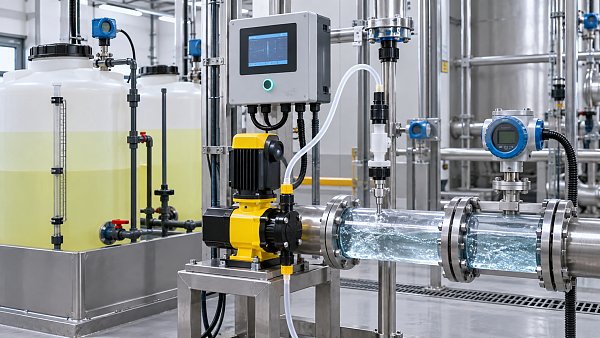
A chemical dosing system needs smooth low-flow repeatability.
An HVAC network needs stable balancing over long operating cycles.
Core dimensions of stability
- Pressure compensation capability
- Response consistency during demand changes
- Flow accuracy across the rated range
- Repeatability after repeated cycles
- Thermal and material stability over time
- Resistance to wear, contamination, and vibration
Why Flow Control stability matters across industries
Flow Control stability is a cross-industry requirement because most production systems depend on regulated movement of liquids, gases, steam, or mixed media.
Even small instability can spread through an entire process chain.
That effect is especially visible in automated lines, precision processing, and safety-critical utilities.
Current attention is shifting from nominal flow rate to lifecycle stability.
Buyers increasingly compare not only initial performance, but also how stable the Flow Control remains after months of service.
Key technical indicators to review before buying
The fastest way to judge Flow Control stability is to review measurable indicators instead of relying on general statements like high precision or robust design.
1. Pressure-flow relationship
Check whether the device maintains stable output when inlet or outlet pressure changes within the rated range.
A stable Flow Control unit should show limited deviation, especially near normal operating pressure rather than only at one test point.
2. Repeatability
Repeatability shows whether the same setting produces the same flow result across repeated cycles.
Poor repeatability often causes hidden quality variation before obvious failure appears.
3. Hysteresis and response lag
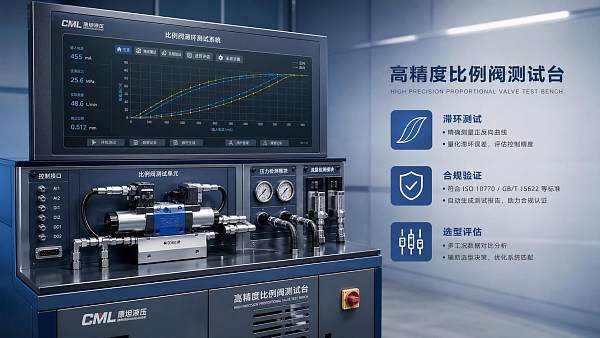
If control movement differs between increasing and decreasing demand, the system may overshoot or react late.
This is critical in automated Flow Control loops and proportional control circuits.
4. Rangeability
A broad operating range is useful only when stability remains acceptable at low, medium, and high flow levels.
Many devices perform well near mid-range but become unstable at the edges.
5. Temperature sensitivity
Fluid viscosity and seal behavior change with temperature.
Review test data across the actual thermal window, not just room temperature conditions.
6. Leakage and internal wear trend
Stable Flow Control should retain performance without rapid leakage growth or trim wear under cyclic use.
Practical checkpoints for evaluating supplier claims
Technical data sheets are useful, but stable Flow Control selection needs deeper verification.
The following checkpoints help convert claims into evidence.
- Ask for performance curves under multiple pressures and temperatures.
- Request cycle test data, not only initial calibration values.
- Review standards alignment such as ISO, ASME, DIN, or application-specific norms.
- Check material compatibility with the actual fluid, additives, and cleaning agents.
- Confirm contamination tolerance and filtration requirements.
- Examine seal, spring, actuator, and trim design for wear-sensitive points.
- Verify whether test conditions match the intended installation orientation and duty cycle.
If a supplier cannot explain how Flow Control stability was measured, the stability claim is incomplete.
Transparent data usually indicates stronger engineering discipline.
Typical Flow Control scenarios and stability priorities
Different systems define stable Flow Control differently.
The right judgment method depends on the process objective and failure consequence.
Common buying mistakes that hide Flow Control instability
Many stability problems begin during specification, not operation.
- Selecting by nominal size only, without reviewing actual control range
- Ignoring fluid contamination, viscosity, or particle content
- Using laboratory flow data as if it represented field conditions
- Overlooking vibration, pulsation, or thermal cycling
- Focusing on lowest price while excluding lifecycle maintenance data
Stable Flow Control often comes from correct sizing, correct materials, and realistic testing, not from adding complexity after installation.
A practical evaluation method before final selection
Use a structured review to compare options consistently.
Recommended evaluation sequence
- Define the real medium, pressure band, temperature band, and duty cycle.
- Set acceptable limits for flow accuracy, repeatability, and response time.
- Filter options by standards compliance and material compatibility.
- Compare performance curves and endurance evidence.
- Run a pilot or bench simulation when the application is critical.
- Score total stability risk, not just purchase cost.
This method helps reveal whether Flow Control performance will remain stable after installation, startup, and long-cycle operation.
Conclusion and next-step action
Judging Flow Control stability before buying requires more than checking rated flow and pressure.
The key is to match technical evidence with real operating stress, fluid behavior, and expected service life.
When comparing Flow Control solutions, prioritize repeatability, pressure compensation, response behavior, material fit, and endurance data.
Prepare a short verification checklist for every candidate product.
Request supporting curves, lifecycle test records, and application references before final approval.
That disciplined approach reduces uncertainty and leads to more reliable, efficient, and cost-stable Flow Control performance.
Recommended News
 Oct 10, 2026How Flow Control Automation Improves Dosing Accuracy in Chemical ProcessingFlow control automation improves chemical dosing accuracy with real-time feedback, smarter control logic, safer operation, and reliable lifecycle performance.● Elena Hydro
 Oct 18, 2026What causes a dosing pump controller to lose calibration?Dosing pump controller calibration issues explained: identify sensor drift, wiring faults, parameter errors, pump wear, and flow restrictions with practical troubleshooting steps.● Elena Hydro
 Oct 17, 2026How a chemical dosing pump controller prevents overfeedingChemical dosing pump controller safeguards prevent overfeeding with flow pacing, feedback, interlocks, and output limits. Learn smarter, safer dosing control.● Elena Hydro
 Sep 14, 2026How Food Processors Can Evaluate Dosing Controller Manufacturers for Hygienic AccuracyDosing controller manufacturer food processing guide: evaluate hygienic design, delivered-dose accuracy, CIP cleanability, allergen controls, alarms, and validation evidence.● Elena Hydro
 Aug 08, 2026How to Evaluate a Dosing Controller Manufacturer for Chemical Processing ProjectsDosing controller manufacturer chemical processing buyers trust should deliver accuracy, safe integration, and reliable support. Learn how to compare suppliers and reduce project risk.● Elena Hydro
 Jul 30, 2026Batch Controller Cost Breakdown: What Affects Price and Total Ownership?Batch controller cost depends on more than unit price. Discover what drives total ownership, from meter compatibility and integration to compliance, maintenance, and downtime risk.● Elena Hydro
 Jul 05, 2026Proportional Valve Hysteresis in Europe: Test Methods, Compliance, and Selection FactorsProportional valve hysteresis Europe explained: compare test methods, compliance expectations, and selection factors to choose stable, efficient valves with confidence.● Elena Hydro
 Jul 03, 2026Liquid Dosing System Manufacturer Checklist: 7 Questions Before You Request a QuoteLiquid dosing system manufacturer checklist: discover 7 key questions to compare accuracy, compliance, support, and total cost before requesting a quote.● Elena Hydro
 Jul 02, 2026Mass Flow Controllers Supplier Checklist: How to Compare Accuracy, Lead Time, and SupportMass Flow Controllers supplier checklist: compare accuracy specs, real lead times, and after-sales support to reduce downtime, control total cost, and choose with confidence.● Elena Hydro
 Jun 26, 2026Technical Comparison of Coriolis vs Magnetic Flow Meters for Accurate DosingTechnical Comparison of Coriolis vs Magnetic Flow Meters for accurate dosing—learn which option delivers better precision, reliability, and lower lifecycle risk.● Elena Hydro
 Jun 18, 2026Liquid Dosing System Factory Selection: Key Accuracy, Flow Rate, and Control FactorsLiquid dosing system factory selection starts with accuracy, flow stability, and control performance. Learn how to compare suppliers for reliable output, lower waste, and long-term process confidence.● Elena Hydro
 Jun 08, 2026Liquid Dosing System Factory Selection Guide: Accuracy, Flow Rate, and Control OptionsLiquid dosing system factory selection starts with proven accuracy, stable flow rate, and smart control options. Compare key criteria to reduce risk and choose a reliable supplier.● Elena Hydro
 May 23, 2026Flow Control issues that quietly raise energy and maintenance costsFlow Control issues can silently increase energy use and maintenance costs. Learn the warning signs, root causes, and smart evaluation steps to improve reliability and reduce lifecycle risk.● Elena Hydro
 May 22, 2026Flow control mistakes that quietly raise energy useFlow Control mistakes can quietly increase energy use, raise wear, and destabilize processes. Learn the hidden causes, key risks, and smarter ways to improve industrial efficiency.● Elena Hydro
 May 21, 2026Flow Control problems often start with one wrong assumptionFlow Control problems often start with one wrong assumption. Discover how to spot hidden risks, improve reliability, and make smarter industrial design and sourcing decisions.● Elena Hydro
 May 20, 2026Flow Control mistakes that lead to unstable outputFlow Control mistakes can trigger unstable output, higher downtime, and compliance risk. Learn the key errors, warning signs, and smarter selection strategies to improve reliability.● Elena Hydro
 May 19, 2026How to judge flow control stability before buyingFlow Control stability starts with real-world testing. Learn how to compare pressure response, repeatability, and lifecycle performance before buying with confidence.● Elena Hydro
 May 18, 2026Common flow control mistakes that raise system riskFlow Control mistakes in sizing, installation, and maintenance can quietly raise downtime and safety risk. Learn the hidden errors that impact reliability and sourcing decisions.● Elena Hydro
 May 17, 2026What to Check Before Upgrading a Flow Control SystemFlow Control upgrade guide: learn what to check before changing a system, from media compatibility and pressure limits to integration, compliance, and long-term reliability.● Elena Hydro
 May 16, 2026Flow Control issues that quietly increase operating costsFlow Control issues often raise operating costs long before failure occurs. Discover how pressure drift, leakage, oversizing, and poor response silently drain energy, uptime, and profit.● Elena Hydro
 May 15, 2026Flow Control Settings That Look Stable but Waste OutputFlow Control settings may look stable yet quietly cut throughput and raise energy use. Learn how to spot hidden output loss, judge settings by scenario, and improve capacity without sacrificing reliability.● Elena Hydro
 May 14, 2026Flow Control Problems That Raise Energy Use Without WarningFlow Control problems can quietly drive up energy costs, reduce reliability, and strain equipment. Discover the hidden warning signs, key system risks, and practical fixes before losses grow.● Elena Hydro
 May 13, 2026Flow Control problems that quietly raise energy costsFlow Control issues can quietly drive up energy costs through pressure swings, oversizing, drift, and poor tuning. Learn where waste hides and how to cut it before reliability and budgets suffer.● Elena Hydro
 May 12, 2026Flow Control Problems That Look Small but Hurt OutputFlow Control issues that seem minor can quietly cut output, raise scrap, and increase downtime. Learn the warning signs and practical fixes that restore stability fast.● Elena Hydro