Hot Articles
Popular Tags
What sustainable sourcing software still misses on supplier data
As sustainable sourcing software trends report headlines promise better visibility, many teams still struggle with incomplete supplier data that weakens real-time decisions and Operational Uptime improvement. For procurement leaders, operators, and decision-makers, the gap matters across every sector—from Advanced Hydraulic solutions to Supply-Chain Orchestration tools—where Technical Intelligence report standards, compliance, and Total Reliability certification depend on data that is accurate, timely, and actionable.
Why supplier data gaps still disrupt sustainable sourcing decisions
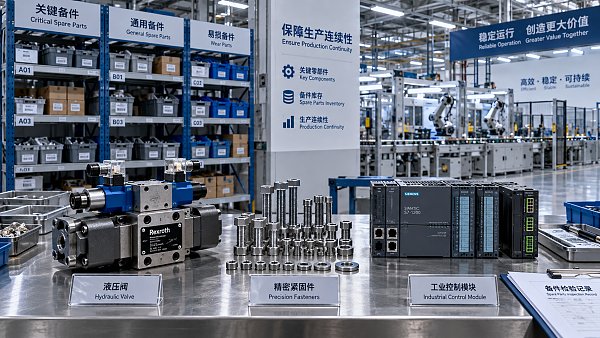
[[IMG:img_01]]Many sustainable sourcing software platforms are built to collect declarations, score suppliers, and visualize risk. That sounds sufficient until a sourcing team needs to compare a hydraulic cylinder producer in one region, a precision fastener supplier in another, and an AMR component provider under a compressed delivery window of 2–4 weeks. At that point, incomplete supplier data becomes a direct operational problem, not a reporting inconvenience.
The missing layer is usually not the existence of data, but the structure and verification of data. A platform may show supplier location, ESG questionnaires, and broad category tags, yet fail to connect those records with batch traceability, standard conformance, raw material exposure, alternate site readiness, or engineering tolerances. For users and operators, this creates uncertainty. For procurement teams, it increases qualification time. For executives, it weakens continuity planning.
Across industries, the issue repeats in 3 common forms: sustainability records without technical context, compliance files without commercial timing, and supplier profiles without real substitution logic. A sourcing dashboard may look complete while still lacking the exact fields needed to support a line-stop prevention decision, a multi-country tender review, or a critical component re-sourcing plan.
This is where G-ISC brings a more useful B2B perspective. Instead of treating supplier data as a generic profile layer, it aligns technical intelligence, regulatory interpretation, project timing, and material-market context across five industrial pillars. That matters when a buyer must evaluate not just whether a supplier is sustainable, but whether the supplier is sustainable, certifiable, replaceable, and operationally reliable under real production conditions.
What software often captures vs. what teams actually need
The gap becomes clearer when teams compare dashboard visibility with on-site decision requirements. Most digital tools support data ingestion. Fewer tools support decision-grade supplier intelligence.
- Basic profile data: legal entity, geography, product family, questionnaire status, and document upload dates.
- Operationally critical data: lead-time variability, second-source feasibility, tooling dependency, revision-control discipline, and inspection capability by product type.
- Procurement decision data: exposure to steel, nickel, or titanium swings; export-control sensitivity; tender participation history; and capacity behavior during demand spikes.
- Engineering data: tolerance range, pressure class, thread standard, flow accuracy band, or software integration readiness against ISO, DIN, ASME, or IEEE-relevant expectations.
When these layers are disconnected, sustainable sourcing software remains useful for administration but weak for high-consequence sourcing. The result is slower supplier qualification, more manual follow-up, and lower confidence in escalation scenarios.
Which supplier data fields matter most across industrial categories?
Not every supplier record needs the same depth, but critical categories do require a stricter data model. In industrial environments, 5 data dimensions consistently influence sourcing quality: technical fit, compliance status, commercial stability, logistics resilience, and substitution readiness. If one dimension is weak, the sustainability view is incomplete even when the software score appears strong.
For example, an Intelligent Flow Metering supplier may provide environmental declarations and a clean code-of-conduct file, but if calibration intervals, media compatibility, and installation environment limits are missing, the data cannot support plant-level implementation. The same applies to fasteners: recycled material claims are useful, but thread specification, coating type, vibration resistance, and lot traceability determine whether the part can actually replace an approved source.
A practical way to improve sustainable sourcing software is to prioritize fields by decision stage. During prequalification, teams need 6–8 high-level checks. During RFQ and technical review, they need a deeper layer of 12–20 fields tied to product class, region, and compliance exposure. During onboarding, they need update frequency rules, usually monthly for pricing-sensitive categories and quarterly for lower-volatility categories.
The table below shows how supplier data expectations change when procurement moves from general sustainability screening to operational sourcing and technical approval.
This comparison shows why sustainable sourcing software often misses the supplier data needed for actual procurement judgment. The problem is not a lack of dashboards. It is the absence of a field structure that connects sustainability claims to engineering, availability, and substitution reality.
How the required fields change by sector
Supplier data should be specific to the component risk profile. A generic ESG layer is not enough for categories where failure can reduce uptime within hours or days.
Examples by industrial pillar
- Advanced Hydraulic & Fluid Power: bore and stroke ranges, seal material options, pressure bands, contamination sensitivity, repair part availability.
- Precision Industrial Fasteners & Connectors: thread standard, coating chemistry, tensile class, locking method, salt-spray or vibration-relevant validation references.
- Automated Material Handling: battery support cycles, safety interface compatibility, spare part stocking window, fleet software interoperability, service response range.
- Intelligent Flow Metering & Control: accuracy class, calibration cycle, media range, ingress protection suitability, communication protocol support.
- AI-Driven Supply-Chain Orchestration Software: API readiness, master-data structure, event latency expectations, governance controls, escalation workflow design.
By organizing supplier intelligence this way, sourcing teams can quickly identify where sustainable sourcing software is too generic and where category-specific data enrichment is required.
How procurement teams should evaluate software for supplier data depth
When selecting or upgrading sustainable sourcing software, procurement should not begin with visualization features. It should begin with decision points. Ask a simple question: can the platform support supplier selection, requalification, and substitution during a 7–15 day sourcing cycle for critical items? If not, the data model is too shallow.
In most B2B organizations, supplier data is used by at least 4 groups: research teams, end users or operators, procurement, and senior management. Each group needs a different layer of evidence. Research teams need supplier discovery and background. Operators need fit-for-use confidence. Procurement needs commercial and delivery clarity. Decision-makers need risk concentration and continuity visibility. A software tool that serves only one layer creates hidden manual work in the other three.
G-ISC’s advantage is that it is not limited to software logic. Its technical intelligence model links supplier data with standards benchmarking, raw material fluctuation monitoring, tender activity, and cross-border policy updates. That combination is especially useful when a sourcing decision depends on both technical acceptance and market timing, such as choosing between a compliant but capacity-constrained supplier and a more available supplier with weaker traceability.
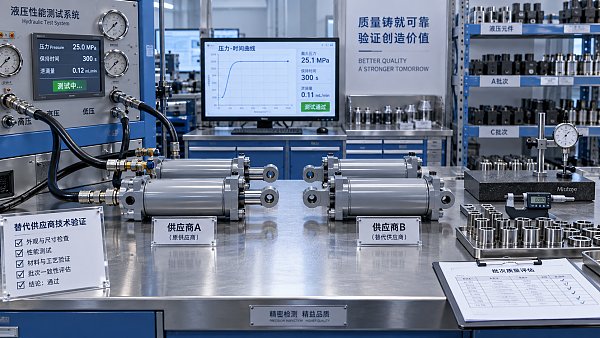
A robust evaluation process usually includes 4 stages: field mapping, source validation, workflow testing, and escalation review. For critical categories, teams should test at least 3 real sourcing cases before rollout, including one normal replenishment case, one urgent replacement case, and one compliance-sensitive cross-border case.
A practical software assessment matrix
The following matrix helps buyers compare sustainable sourcing software options based on supplier data completeness, not just interface design or broad claims.
A useful decision platform should support procurement beyond supplier onboarding. It should help teams understand whether a new source can be approved in time, under the right standard, with acceptable risk and realistic delivery performance.
Five checks before committing budget
- Verify whether data fields can be customized by industrial category rather than by generic supplier profile only.
- Test one urgent sourcing workflow with a target turnaround of 48–72 hours for supplier comparison output.
- Check if compliance records include scope, expiration, and document validity rather than simple file storage.
- Review whether cost signals can be linked to raw material movements and logistics disruption alerts.
- Confirm that the platform supports alternate-source analysis instead of single-supplier visibility only.
These checks reduce the chance of buying software that improves reporting but not sourcing execution.
What implementation mistakes create bad supplier data even in good systems?
Even a capable sustainable sourcing software platform can underperform if implementation is rushed. The most common mistake is importing a large supplier master without defining criticality levels. When every supplier gets the same template, high-risk categories are under-described and low-risk categories are over-administered. Teams then face data fatigue without better decisions.
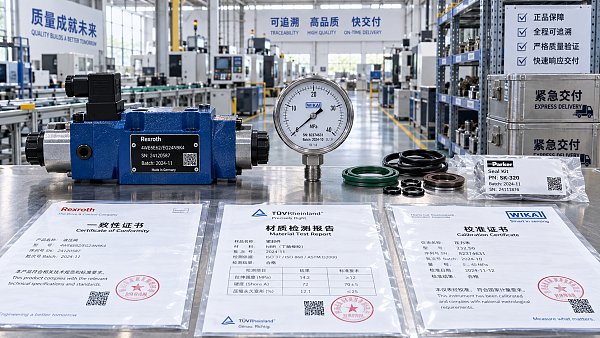
Another mistake is treating documents as data. A certificate upload is not the same as a searchable, validated field. A specification sheet is not the same as a structured tolerance band. When records remain document-heavy, procurement still needs manual review for every RFQ, quality hold, or replacement request. That delays action, especially when line continuity is measured in hours rather than weeks.
A third issue is weak ownership. Supplier data should not belong to procurement alone. In most organizations, 3 functions need defined roles: procurement owns commercial updates, quality or engineering owns technical and compliance validation, and operations contributes fit-for-use feedback after installation or routine use. Without this cadence, supplier records become outdated within one or two review cycles.
Implementation is stronger when teams use a phased model. A practical structure is: phase 1 for top-risk categories over 4–6 weeks, phase 2 for approved alternative mapping over the next 3–4 weeks, and phase 3 for supplier score refinement and ongoing refresh rules. This sequence produces better sourcing outcomes than a single large upload project.
Common misconceptions that reduce data quality
Misconception 1: ESG visibility automatically improves sourcing quality
It improves transparency, but not necessarily selection quality. If technical fit, alternate-source logic, and delivery resilience are absent, sustainability visibility remains incomplete for industrial procurement.
Misconception 2: A certificate file equals compliance readiness
Compliance depends on scope, validity period, product relevance, and traceability method. A stored file without context may satisfy administration but not a buyer, auditor, or engineering reviewer.
Misconception 3: More supplier records mean better resilience
Volume is not resilience. A list of 200 suppliers is less useful than 20 decision-ready records with verified standards alignment, lead-time ranges, and substitution feasibility by category.
- Define 3 supplier tiers: critical, controlled, and routine.
- Set review frequency by risk level: monthly, quarterly, or semiannual.
- Track 4 mandatory evidence types for critical suppliers: technical, compliance, commercial, and continuity.
These controls help sustainable sourcing software become a practical operating tool rather than a passive data warehouse.
FAQ: what buyers, operators, and decision-makers usually ask
How should we prioritize supplier data cleanup if resources are limited?
Start with categories that can stop production, delay a project milestone, or trigger compliance review. In many organizations, the first 10–20% of suppliers account for the highest operational exposure. Clean those records first. Focus on 5 field groups: specification fit, standards and certificates, lead-time range, alternate-source status, and material or logistics exposure. This delivers faster value than a full master-data cleanup.
How often should supplier data be updated in sustainable sourcing software?
There is no single cycle for all categories. Pricing-sensitive or disruption-prone categories often need monthly review. Standards documents, audit evidence, and qualification records are often checked quarterly or at expiry. Strategic supplier continuity plans may be refreshed every 6–12 months. The right rule depends on category criticality, material volatility, and cross-border complexity.
What data is most important for critical component sourcing?
For critical components, the minimum useful record usually includes specification compatibility, applicable standard alignment, lot or batch traceability method, realistic lead-time band, approved process capability, and substitution options. Sustainability indicators matter, but they should sit alongside technical and continuity evidence. Otherwise, the data cannot support Operational Uptime decisions.
Can software alone solve supplier data quality problems?
No. Software can structure, alert, and compare. It cannot replace technical interpretation, cross-functional ownership, or category-specific judgment. Industrial sourcing requires a combination of platform capability and external intelligence. That is why decision-makers often pair digital systems with technical intelligence partners that understand standards, tenders, commodity signals, and substitution risk.
Why work with G-ISC when sustainable sourcing software is not enough?
G-ISC supports organizations that need more than surface-level supplier visibility. Its value lies in connecting engineering detail, procurement timing, market fluctuation, and cross-border policy context across Advanced Hydraulic & Fluid Power, Precision Industrial Fasteners & Connectors, Automated Material Handling, Intelligent Flow Metering & Control, and AI-Driven Supply-Chain Orchestration Software. This allows teams to evaluate suppliers in the same way they make real decisions: across specification, compliance, continuity, and commercial practicality.
For information researchers, G-ISC helps narrow supplier landscapes with decision-relevant filtering. For users and operators, it clarifies whether a source is fit for the actual working environment. For procurement teams, it strengthens RFQ preparation, alternate-source screening, and risk review. For enterprise leaders, it provides a more reliable basis for Total Reliability planning and uptime-focused investment decisions.
If your current sustainable sourcing software still misses supplier data that matters to production, compliance, or executive risk review, the next step is not more dashboards. It is better intelligence design. G-ISC can support parameter confirmation, supplier data mapping, category-specific field design, delivery cycle review, standards and certification interpretation, alternative sourcing analysis, sample-support planning, and quotation communication for critical industrial categories.
Contact us if you need help comparing supplier records, confirming specification parameters, reviewing lead-time realism, identifying certification gaps, or building a custom decision framework for multi-region sourcing. When supplier data becomes actionable, sustainable sourcing software starts delivering what the business actually needs: clearer choices, faster qualification, and stronger operational continuity.
Recommended News
 Oct 16, 2026How to Use Supply Chain Risk Scores to Screen Suppliers in EuropeNeed a supply chain risk score Europe procurement teams can trust? Learn how to verify suppliers, uncover hidden risks, and build a defensible shortlist before you buy.● Lina Cloud
 Oct 15, 2026Cloud SCM Pricing: How to Compare Uptime SLAs and Downtime CostsCompare SCM cloud uptime pricing, SLA exclusions, downtime costs, and recovery options. Learn how to assess true value, reduce disruption risk, and choose the right cloud SCM plan.● Lina Cloud
 Oct 14, 2026How Do You Identify Supply Chain Risks for Critical Components?How can I identify supply chain risks for critical components? Discover how to map hidden dependencies, compare inventory with recovery time, and prioritize actions that protect uptime.● Lina Cloud
 Oct 14, 2026When Should You Approve a Second-Source Supplier?When should I approve a second source supplier? Discover key checks for quality, capacity, compliance, and supply risk to make confident approvals and protect production.● Lina Cloud
 Oct 11, 2026Predictive Supply Chain Case Studies: Reducing Global Sourcing Disruption RiskPredictive supply chain case studies for global sourcing: uncover disruption risks, protect critical components, and build resilient project delivery.● Lina Cloud
 Oct 03, 2026How to Evaluate Supply Chain Orchestration Software for Multi-Site OperationsSupply chain orchestration software: learn how to evaluate data, workflows, integrations, and governance for resilient multi-site operations.● Lina Cloud
 Oct 01, 2026How Procurement Teams Can Evaluate Supply Chain Risk Management Tools Before BuyingSupply chain risk management tool for procurement: learn how to evaluate data accuracy, part-level impact, alerts, workflows, integrations, and auditability before you buy.● Lina Cloud
 Oct 10, 2026Can Oracle supply planning reduce shortages without raising inventory?Oracle supply planning helps reduce shortages without inflating inventory through smarter allocation, scenario planning, and constraint-based decisions. Discover practical strategies.● Lina Cloud
 Oct 07, 2026What Happens When a Supplier Fails an Industrial Standards Audit?What happens if a supplier fails an industrial standards audit? Learn how to contain risk, protect traceability, manage corrective actions, and maintain supply continuity.● Lina Cloud
 Oct 06, 2026How Do You Document Standards Compliance for a Supplier Tender?How do I document standards compliance for a supplier tender? Use a compliance matrix, traceable test evidence, and clear deviations to strengthen bids and speed evaluation.● Lina Cloud
 Oct 02, 2026Which Supplier Records Should Be Checked Before an Urgent Purchase?Which supplier records should be checked before an urgent industrial purchase? Discover essential checks for quality, traceability, compliance, delivery, and risk control.● Lina Cloud
 Oct 01, 2026How Should Buyers Compare Suppliers Across Industrial Categories?How do I compare suppliers across different industrial categories? Use a practical framework for risk, quality, cost, resilience, and technical fit.● Lina Cloud
 Sep 30, 2026What Should Be Included in a Strategic Sourcing Plan?What should be included in a strategic sourcing plan? Explore essential steps for supplier strategy, total cost, risk control, compliance, and resilient industrial procurement.● Lina Cloud
 Sep 29, 2026How Do Raw Material Prices Affect Industrial Component Lead Times?How do raw material prices affect component lead times? Learn how availability, supplier inventory, and qualification risks shape delivery planning.● Lina Cloud
 Sep 19, 2026How to Evaluate an OEM Supplier for Real-Time Shipment Tracking IntegrationReal time shipment tracking OEM supplier evaluation: compare integration, data accuracy, security, costs, and pilot accountability to protect critical deliveries.● Lina Cloud
 Sep 12, 2026OEM Cooperation Process: Key Milestones for Managing Quality, Costs, and DeliveryOEM cooperation process guide: discover key milestones to control quality, total costs, and delivery risk for stronger, more reliable supplier partnerships.● Lina Cloud
 Aug 25, 2026How to Evaluate a Cloud OMS for OEM Operations with Complex Order WorkflowsEvaluate an order management system OMS OEM cloud platform for complex workflows. Learn what matters most in integration, traceability, scalability, and risk control.● Lina Cloud
 Aug 23, 2026What to Check Before Buying Bridal Tiaras Wholesale for a Retail CollectionBridal tiaras wholesale buying starts with quality, materials, MOQ, and supplier checks. Learn how to reduce risk, protect margins, and build a retail collection that sells.● Lina Cloud
 Aug 22, 2026How to Evaluate Poker Tables Wholesale Suppliers for Quality, MOQ, and CustomizationPoker tables wholesale buying guide: learn how to evaluate suppliers for quality, MOQ, customization, packaging, and lead times to reduce risk and choose scalable partners.● Lina Cloud
 Aug 18, 2026How Can a Supply Chain Digital Twin Improve Procurement Decisions and Supplier Risk?Supply chain digital twin procurement helps buyers compare suppliers, model disruption risk, and improve sourcing decisions with stronger cost, resilience, and performance insight.● Lina Cloud
 Aug 14, 2026What Is Procurement Planning? A Practical Guide for Reducing Buying RiskProcurement Planning helps reduce buying risk by aligning demand, specs, budget, and sourcing strategy. Learn how to buy smarter, avoid delays, and control costs.● Lina Cloud
 Aug 02, 2026How Polymer Raw Materials Affect Sensor Cost, Durability, and Design Trade-OffsImpact of raw material on sensor costs polymers goes far beyond resin price. Learn how polymer choice shapes durability, yield, sealing, and smarter sensor design decisions.● Lina Cloud
 Jul 29, 2026How to Evaluate a Supply Chain Sustainability Tracker Vendor for Reporting NeedsSupply chain sustainability tracker vendor evaluation starts with data integrity, framework mapping, and supplier workflows. Learn how to choose a platform that supports credible reporting and faster procurement decisions.● Lina Cloud
 Jul 28, 2026How Shippers Can Evaluate a Transportation Management System for Cost and Carrier ControlTransportation management system shippers can rely on to cut freight costs, improve carrier control, and boost visibility. Learn what to test before choosing a TMS.● Lina Cloud