Hot Articles
Popular Tags
Why Supply-Chain Orchestration fails without clean data
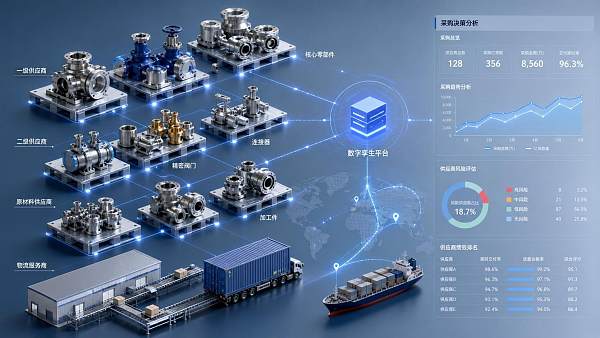
Supply-Chain Orchestration is gaining urgency across industrial networks facing volatility, tighter compliance, and rising component complexity.
Yet orchestration platforms do not fail first because of weak dashboards or poor automation logic.
They fail because dirty data enters every decision, every alert, and every execution layer.
When part numbers conflict, supplier records drift, and inventory status is wrong, Supply-Chain Orchestration becomes a multiplier of error rather than resilience.
In complex industrial settings, this problem reaches beyond reporting.
It affects uptime, compliance, project schedules, cross-border sourcing, and the reliability of critical components.
The market signal is clear: orchestration is expanding faster than data discipline
Across manufacturing, logistics, energy, automation, and engineered infrastructure, digital coordination tools are spreading rapidly.
Companies want one control layer for planning, procurement, transport, fulfillment, and exception management.
That ambition is logical.
Fragmented supply ecosystems now include multi-tier suppliers, volatile metals pricing, changing trade policies, and stricter quality documentation demands.
Supply-Chain Orchestration promises a coordinated response to those pressures.
However, many organizations still run on disconnected ERP fields, inconsistent master data, duplicated vendor files, and manual spreadsheet corrections.
This creates a dangerous mismatch.
The orchestration layer becomes modern, while the data foundation remains unstable.
Why Supply-Chain Orchestration breaks when clean data is missing
Clean data means more than correct spelling or complete fields.
It means trusted, current, standardized, and connected data across systems, regions, and business events.
Without that, orchestration engines cannot align planning signals with physical reality.
The main failure drivers behind weak orchestration outcomes
Every orchestration engine depends on relationships between orders, materials, capacities, suppliers, routes, and commitments.
If those relationships are broken, the platform can still automate actions.
It simply automates the wrong actions faster.
The hidden cost appears in execution gaps, not just in analytics
Many digital teams notice data problems first in reports.
The bigger damage appears later, inside execution.
A bad supplier location can misroute customs documents.
A wrong unit of measure can distort component demand.
An outdated engineering revision can trigger incompatible replenishment.
For sectors using hydraulic systems, industrial fasteners, flow control devices, AMR fleets, or high-spec connectors, these are not minor clerical errors.
They can stop production lines, delay commissioning, and compromise safety assurance.
That is why Supply-Chain Orchestration must be judged by execution truth, not interface elegance.
Why the problem is intensifying across industrial supply networks
- Product structures are becoming more specialized and more regulated.
- Supplier bases are spreading across regions with uneven data standards.
- Shorter response cycles leave less time for manual correction.
- AI and predictive tools amplify weak source data instead of fixing it.
- Cross-functional workflows now depend on synchronized records, not local system assumptions.
This trend matters because Supply-Chain Orchestration is often positioned as the answer to complexity.
In reality, complexity punishes poor data more severely than before.
As more workflows become connected, one bad attribute can trigger a chain of flawed decisions.
Different business links feel the impact in different ways
The failure pattern is not uniform.
Clean data supports different forms of reliability at each operational link.
Where dirty data damages outcomes most
- Planning: demand priorities become unstable when inventory and lead times are unreliable.
- Procurement: supplier comparison weakens when specifications and risk records are incomplete.
- Logistics: route orchestration fails when packaging, origin, or customs data is wrong.
- Production support: line-side material calls break when identifiers are inconsistent.
- Aftermarket service: spare parts accuracy drops when revision control is poor.
These effects compound in capital-intensive projects with strict uptime targets.
There, Supply-Chain Orchestration is expected to align engineering, sourcing, and delivery with little margin for rework.
What deserves immediate attention before scaling Supply-Chain Orchestration
- Master data governance for parts, suppliers, sites, and units of measure.
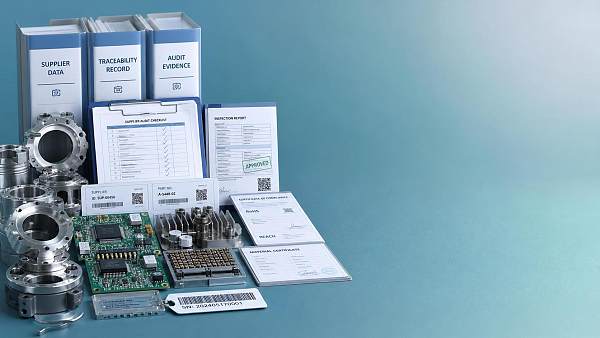
- Version control for technical specifications, certifications, and approved alternates.
- Event data validation across order status, shipment milestones, and inventory movements.
- Ownership rules for who creates, approves, and updates critical records.
- Thresholds for data quality, not just system uptime or dashboard adoption.
This is especially relevant where component traceability and standards alignment matter.
In environments shaped by ISO, DIN, ASME, or IEEE references, inaccurate metadata creates operational and regulatory risk together.
A practical response starts with sequencing, not with another tool
The key insight is simple.
Supply-Chain Orchestration should scale only after data trust improves in the workflows that matter most.
Otherwise, integration expands confusion instead of control.
The next competitive gap will be data integrity under orchestration pressure
Over the next cycle, many organizations will own similar orchestration technologies.
The real difference will come from cleaner industrial data and stronger execution truth.
That matters deeply in environments where critical components, predictive supply signals, and project reliability must align.
Supply-Chain Orchestration can deliver visibility, speed, and resilience.
But it cannot create trust from broken source records.
A strong next step is to audit the data behind the most expensive exceptions.
Review part masters, supplier identities, inventory logic, lead times, and compliance attributes before expanding automation.
That is where Supply-Chain Orchestration stops being a software promise and starts becoming an industrial advantage.
Recommended News
 Oct 16, 2026How to Use Supply Chain Risk Scores to Screen Suppliers in EuropeNeed a supply chain risk score Europe procurement teams can trust? Learn how to verify suppliers, uncover hidden risks, and build a defensible shortlist before you buy.● Lina Cloud
 Oct 15, 2026Cloud SCM Pricing: How to Compare Uptime SLAs and Downtime CostsCompare SCM cloud uptime pricing, SLA exclusions, downtime costs, and recovery options. Learn how to assess true value, reduce disruption risk, and choose the right cloud SCM plan.● Lina Cloud
 Oct 14, 2026How Do You Identify Supply Chain Risks for Critical Components?How can I identify supply chain risks for critical components? Discover how to map hidden dependencies, compare inventory with recovery time, and prioritize actions that protect uptime.● Lina Cloud
 Oct 14, 2026When Should You Approve a Second-Source Supplier?When should I approve a second source supplier? Discover key checks for quality, capacity, compliance, and supply risk to make confident approvals and protect production.● Lina Cloud
 Oct 11, 2026Predictive Supply Chain Case Studies: Reducing Global Sourcing Disruption RiskPredictive supply chain case studies for global sourcing: uncover disruption risks, protect critical components, and build resilient project delivery.● Lina Cloud
 Oct 03, 2026How to Evaluate Supply Chain Orchestration Software for Multi-Site OperationsSupply chain orchestration software: learn how to evaluate data, workflows, integrations, and governance for resilient multi-site operations.● Lina Cloud
 Oct 01, 2026How Procurement Teams Can Evaluate Supply Chain Risk Management Tools Before BuyingSupply chain risk management tool for procurement: learn how to evaluate data accuracy, part-level impact, alerts, workflows, integrations, and auditability before you buy.● Lina Cloud
 Oct 10, 2026Can Oracle supply planning reduce shortages without raising inventory?Oracle supply planning helps reduce shortages without inflating inventory through smarter allocation, scenario planning, and constraint-based decisions. Discover practical strategies.● Lina Cloud
 Oct 07, 2026What Happens When a Supplier Fails an Industrial Standards Audit?What happens if a supplier fails an industrial standards audit? Learn how to contain risk, protect traceability, manage corrective actions, and maintain supply continuity.● Lina Cloud
 Oct 06, 2026How Do You Document Standards Compliance for a Supplier Tender?How do I document standards compliance for a supplier tender? Use a compliance matrix, traceable test evidence, and clear deviations to strengthen bids and speed evaluation.● Lina Cloud
 Oct 02, 2026Which Supplier Records Should Be Checked Before an Urgent Purchase?Which supplier records should be checked before an urgent industrial purchase? Discover essential checks for quality, traceability, compliance, delivery, and risk control.● Lina Cloud
 Oct 01, 2026How Should Buyers Compare Suppliers Across Industrial Categories?How do I compare suppliers across different industrial categories? Use a practical framework for risk, quality, cost, resilience, and technical fit.● Lina Cloud
 Sep 30, 2026What Should Be Included in a Strategic Sourcing Plan?What should be included in a strategic sourcing plan? Explore essential steps for supplier strategy, total cost, risk control, compliance, and resilient industrial procurement.● Lina Cloud
 Sep 29, 2026How Do Raw Material Prices Affect Industrial Component Lead Times?How do raw material prices affect component lead times? Learn how availability, supplier inventory, and qualification risks shape delivery planning.● Lina Cloud
 Sep 19, 2026How to Evaluate an OEM Supplier for Real-Time Shipment Tracking IntegrationReal time shipment tracking OEM supplier evaluation: compare integration, data accuracy, security, costs, and pilot accountability to protect critical deliveries.● Lina Cloud
 Sep 12, 2026OEM Cooperation Process: Key Milestones for Managing Quality, Costs, and DeliveryOEM cooperation process guide: discover key milestones to control quality, total costs, and delivery risk for stronger, more reliable supplier partnerships.● Lina Cloud
 Aug 25, 2026How to Evaluate a Cloud OMS for OEM Operations with Complex Order WorkflowsEvaluate an order management system OMS OEM cloud platform for complex workflows. Learn what matters most in integration, traceability, scalability, and risk control.● Lina Cloud
 Aug 23, 2026What to Check Before Buying Bridal Tiaras Wholesale for a Retail CollectionBridal tiaras wholesale buying starts with quality, materials, MOQ, and supplier checks. Learn how to reduce risk, protect margins, and build a retail collection that sells.● Lina Cloud
 Aug 22, 2026How to Evaluate Poker Tables Wholesale Suppliers for Quality, MOQ, and CustomizationPoker tables wholesale buying guide: learn how to evaluate suppliers for quality, MOQ, customization, packaging, and lead times to reduce risk and choose scalable partners.● Lina Cloud
 Aug 18, 2026How Can a Supply Chain Digital Twin Improve Procurement Decisions and Supplier Risk?Supply chain digital twin procurement helps buyers compare suppliers, model disruption risk, and improve sourcing decisions with stronger cost, resilience, and performance insight.● Lina Cloud
 Aug 14, 2026What Is Procurement Planning? A Practical Guide for Reducing Buying RiskProcurement Planning helps reduce buying risk by aligning demand, specs, budget, and sourcing strategy. Learn how to buy smarter, avoid delays, and control costs.● Lina Cloud
 Aug 02, 2026How Polymer Raw Materials Affect Sensor Cost, Durability, and Design Trade-OffsImpact of raw material on sensor costs polymers goes far beyond resin price. Learn how polymer choice shapes durability, yield, sealing, and smarter sensor design decisions.● Lina Cloud
 Jul 29, 2026How to Evaluate a Supply Chain Sustainability Tracker Vendor for Reporting NeedsSupply chain sustainability tracker vendor evaluation starts with data integrity, framework mapping, and supplier workflows. Learn how to choose a platform that supports credible reporting and faster procurement decisions.● Lina Cloud
 Jul 28, 2026How Shippers Can Evaluate a Transportation Management System for Cost and Carrier ControlTransportation management system shippers can rely on to cut freight costs, improve carrier control, and boost visibility. Learn what to test before choosing a TMS.● Lina Cloud