Hot Articles
Popular Tags
Operational uptime improvement often fails at this hidden bottleneck
Operational Uptime improvement often stalls not on the production line, but within hidden component and data gaps across sourcing, maintenance, and control systems. From Advanced Hydraulic solutions and High-Pressure Hydraulic Cylinders for construction to Vibration-Resistant Fasteners specifications and Supply-Chain Orchestration tools, this Technical Intelligence report reveals how Total Reliability certification, predictive supply chain case studies in manufacturing, and the impact of 5g on real-time tracking technology reshape resilient industrial performance.
For researchers, operators, procurement teams, and enterprise decision-makers, the most expensive uptime losses rarely begin with a dramatic equipment failure. More often, they start with a mismatch: a cylinder seal specified for 210 bar used in a 250 bar duty cycle, a fastener selected by price instead of vibration profile, a flow meter installed without calibration intervals, or a sourcing plan that ignores a 6–10 week lead-time shift in alloy inputs.
Across industries, these hidden bottlenecks sit between engineering, purchasing, logistics, and maintenance. They are small enough to be overlooked, yet critical enough to stop a line, delay a project, or inflate total cost of ownership over 12–36 months. The practical challenge is not only choosing strong components, but building a reliable chain of specification control, inventory visibility, and service execution.
This article examines where uptime programs fail, how critical components and industrial data streams interact, and what a more resilient operating model looks like when Advanced Hydraulic systems, Precision Fasteners, Intelligent Flow Control, AMH, and AI-Driven Supply-Chain Orchestration are evaluated as one connected reliability system.
Why Operational Uptime Programs Miss the Real Constraint
[[IMG:img_01]]Many uptime initiatives focus on visible assets such as production equipment, fleet utilization, or labor scheduling. Yet in many facilities, the real bottleneck appears one layer deeper: in the components and decisions that support those assets. A high-output machine rated for 95% availability cannot sustain that level if one subassembly has an undocumented revision, if spare parts data is fragmented across 3 systems, or if inspection intervals drift from 30 days to 90 days.
This is especially true in industrial environments where hydraulic pressure, vibration, temperature variation, and duty cycles are severe. In construction, mining, automation, energy, and processing sectors, a single weak link—such as an incorrectly torqued connector or a cylinder rod with inadequate corrosion protection—can trigger unplanned downtime, secondary damage, and safety exposure. The bottleneck is hidden because it often sits outside the main equipment KPI dashboard.
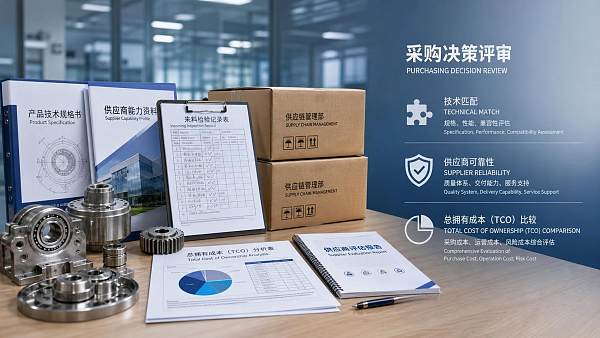
A second issue is organizational separation. Procurement may optimize for unit price, engineering for specification accuracy, and operations for immediate availability. If these teams are not aligned around lifecycle risk, businesses can save 4% on purchase cost and lose far more through emergency replacement, line stoppage, or expedited freight. In practice, uptime is a cross-functional reliability outcome, not just a maintenance target.
The hidden bottleneck also expands when supply chains become volatile. Raw material shifts in steel, nickel, or titanium can affect lead times, coating choices, and supplier consistency. Without synchronized technical and sourcing intelligence, teams may approve alternates that meet dimensional fit but miss fatigue life, sealing compatibility, or compliance expectations under ISO, DIN, ASME, or IEEE-related requirements.
Typical Failure Pattern Behind Uptime Erosion
- Specification drift between original design data and replacement part procurement.
- Lack of condition-based maintenance for wear-sensitive items with 3–12 month replacement windows.
- Poor visibility into batch traceability, coating grade, or sealing material compatibility.
- Delayed replenishment caused by cross-border sourcing, customs changes, or supplier concentration risk.
When these issues combine, uptime improvement programs plateau. Teams continue monitoring output, but the root cause remains embedded in component governance and supply-chain orchestration rather than machine utilization alone.
The Component-Level Bottlenecks Most Companies Underestimate
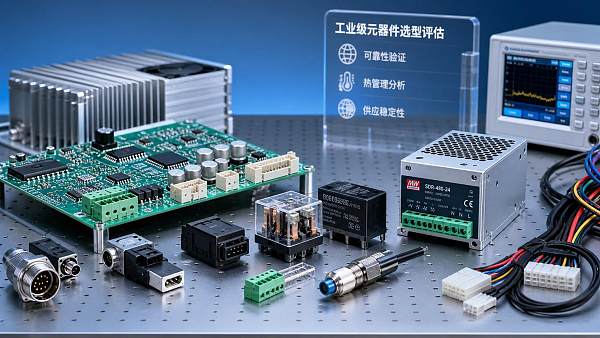
Critical components shape operational uptime because they convert design intent into real-world performance. In many sectors, the most disruptive failures come from relatively low-cost parts that operate under high stress. Hydraulic cylinders, industrial fasteners, connectors, valves, flow meters, and sensor-linked control hardware are often treated as standard items, but their performance depends on pressure range, fatigue resistance, contamination control, and installation discipline.
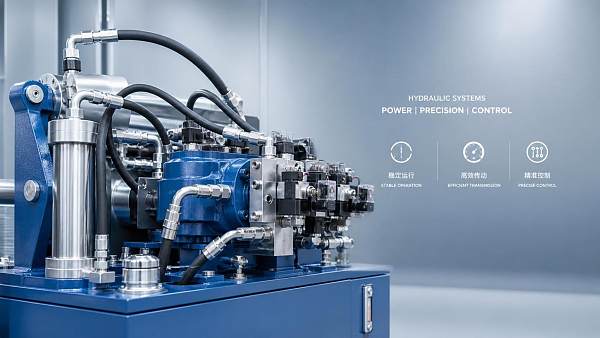
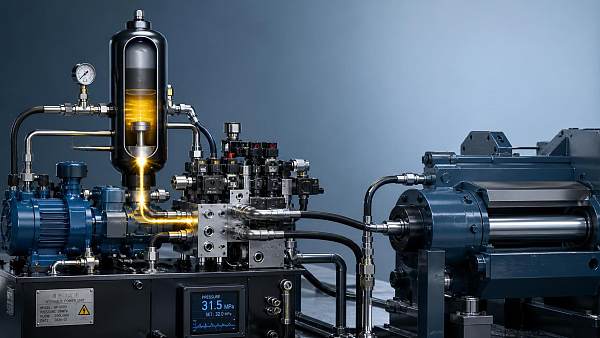
Take High-Pressure Hydraulic Cylinders for construction or heavy industrial use. A cylinder selected only by bore and stroke may still underperform if seal material is mismatched to fluid chemistry, if side-load conditions are ignored, or if rod surface protection is inadequate for abrasive outdoor environments. In many applications, pressure classes such as 160 bar, 210 bar, 250 bar, or higher require different safety margins, maintenance cycles, and spare strategies.
Fasteners create a similar hidden risk. Vibration-Resistant Fasteners are not interchangeable with standard bolts simply because diameter and thread match. Joint design, preload retention, dynamic loading, coating type, and torque control all matter. In rotating systems, mobile equipment, conveyors, AMR fleets, and structural assemblies, a low-cost fastening error can trigger recurring looseness, misalignment, sensor failure, and extended downtime over a 6–18 month period.
Flow metering and control devices introduce another blind spot. Meter accuracy within ±0.5% or ±1.0% can materially affect batching quality, energy consumption, fluid delivery, and preventive diagnostics. If calibration is delayed, communication protocols are incompatible, or contamination is not managed, the operational issue may appear as process instability rather than instrumentation failure.
Critical Component Risk Comparison
The table below highlights how different component categories create different uptime risks, service intervals, and procurement considerations. This helps procurement and engineering teams avoid treating all replacement parts as equal.
The key lesson is that uptime risk rises when technical detail is simplified too early in the buying process. Component categories should be sourced with lifecycle context, not only with dimensional or price equivalence.
Selection Signals That Matter More Than Unit Price
- Expected load, pressure, vibration, or media exposure over the full service cycle.
- Documented standards alignment, such as ISO, DIN, ASME, or application-specific requirements.
- Traceability of material, coating, batch data, and revision control for repeat procurement.
- Serviceability, spare availability, and typical replenishment windows of 2–12 weeks.
Data Gaps: The Invisible Link Between Maintenance Failure and Sourcing Delay
Even when component quality is strong, uptime improvement can still fail if operational data is fragmented. Many enterprises manage maintenance history in one platform, procurement transactions in another
Recommended News
 Oct 09, 2026How to Assess a Jade Bangles Manufacturer for Authenticity and OEM QualityAssess a jade bangles manufacturer for authenticity, treatment disclosure, OEM consistency, quality control, certification, and export-ready documentation.● Marcus Valve
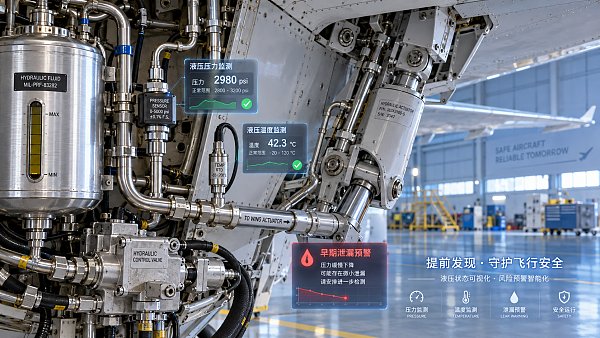
 Oct 02, 2026How Aircraft Hydraulic Safety Alerts Help Detect Leaks and Pressure Loss EarlyAircraft hydraulic safety alerts detect leaks and pressure loss early through smarter monitoring of pressure, fluid quantity, temperature, pump behavior, and actuator response.● Marcus Valve
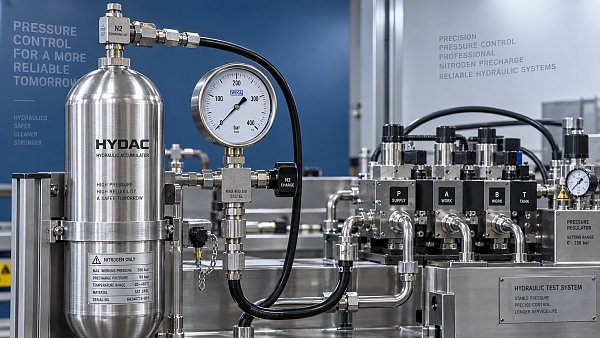
 Sep 27, 2026Hydraulic Accumulator Precharge: How to Set It for Reliable Pressure ControlHydraulic accumulator precharge guide: set nitrogen pressure accurately for stable control, usable fluid volume, safer operation, and longer system life.● Marcus Valve
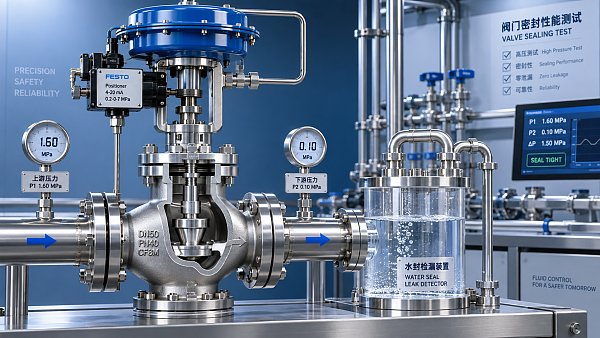
 Sep 26, 2026Valve Leakage Class Data: How to Interpret Allowable Leakage for Critical ServiceValve leakage class data explained: learn how to assess allowable leakage, test media, pressure differential, seat design, and standards for critical valve service.● Marcus Valve
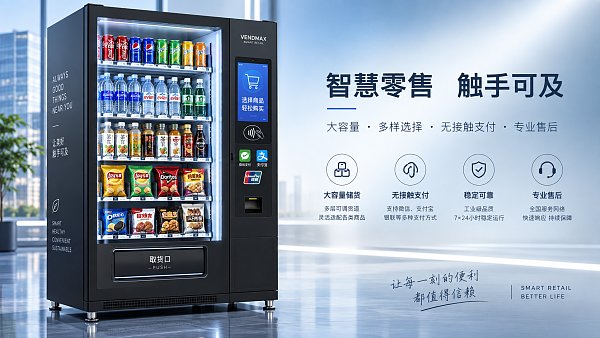
 Sep 21, 2026Wholesale Vending Machines: A Buyer’s Checklist for Pricing, Capacity, and Service SupportWholesale vending machines buyer’s checklist: compare delivered pricing, real product capacity, payment options, installation needs, and dependable service support.● Marcus Valve
 Sep 20, 2026How to Evaluate a Hydraulic Manifold Manufacturer for High-Pressure SystemsHydraulic Manifolds manufacturer evaluation guide: compare pressure ratings, materials, machining, testing, cleanliness, and traceability for reliable high-pressure systems.● Marcus Valve
 Sep 08, 2026How to Specify High-Pressure Fluid Power Systems for Demanding Industrial Duty CyclesFluid Power high pressure system specification guide: optimize duty cycles, fatigue life, cleanliness, thermal control, safety, and supplier reliability.● Marcus Valve
 Sep 02, 2026How to Set Piston Accumulator Precharge Pressure for Reliable Hydraulic PerformancePiston accumulator precharge pressure: learn how to set P0, P1, and P2 for dependable hydraulic energy storage, safety reserves, and pulsation control.● Marcus Valve
 Aug 27, 2026How to Reduce Hydraulic Manifold Pressure Drop Without Undersizing Flow CapacityHydraulic manifold pressure drop: learn practical ways to cut energy loss, protect flow capacity, improve thermal stability, and optimize valve and port design.● Marcus Valve
 Aug 17, 2026How to Choose the Right Outdoor Patio Heater for Commercial SpacesOutdoor patio heaters for commercial spaces: learn how to choose the right model for comfort, safety, durability, and lower operating costs.● Marcus Valve
 Aug 12, 2026How to Select Hydraulic Components for Industrial Machinery by Load, Pressure, and Duty CycleHydraulic components for industrial machinery: learn how to match load, pressure, and duty cycle to reduce downtime, avoid oversizing, and improve reliability.● Marcus Valve
 Aug 09, 2026How to Size a High Pressure Hydraulic Accumulator for Peak Load StabilityHigh pressure hydraulic accumulator sizing made clear: learn how to define pressure windows, usable oil volume, and response speed for stable peak loads and smarter selection.● Marcus Valve
 Aug 03, 2026What Criteria Matter Most When Comparing Solutions for a B2B Buying Decision?Solution comparison criteria for B2B buying: learn how to weigh technical fit, supplier reliability, TCO, scalability, and supply-chain risk to choose with confidence.● Marcus Valve
 Jul 27, 2026How to Choose Custom Printed Guitar Picks for Branding, Events, and Retail SalesGuitar picks custom printed: learn how to choose the right material, thickness, print quality, packaging, and supplier for branding, events, and retail success.● Marcus Valve
 Jul 24, 2026How Do Metronomes and Tuners Work Together to Improve Practice Accuracy?Metronomes and tuners work best together to improve practice accuracy. Discover how they sharpen timing, stabilize pitch, and help musicians build more reliable performance results.● Marcus Valve
 Jul 23, 2026Product Selection for Electronic Components: Key Criteria for Reliable Design ChoicesProduct Selection for electronic components starts with reliability. Learn how to evaluate thermal, compliance, and supply-chain risks to build durable, cost-efficient designs.● Marcus Valve
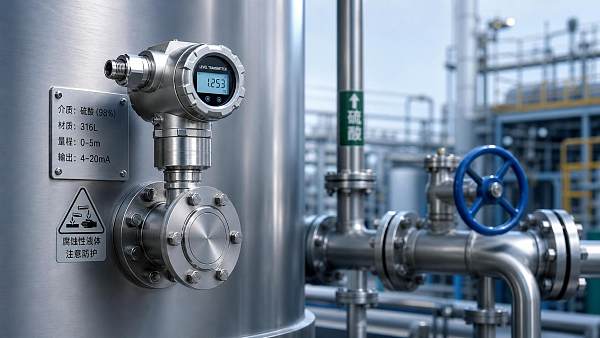
 Jul 21, 2026How to Select Stainless Steel Level Transmitters for Corrosive Liquid ApplicationsStainless steel Level Transmitters selection for corrosive liquids starts with media, seals, and pressure. Learn how to choose reliable, compliant options that cut failure risk and downtime.● Marcus Valve
 Jul 12, 2026Luxury Vinyl Tile for Commercial Spaces: How to Compare Wear, Cost, and MaintenanceLuxury vinyl tile commercial flooring guide: compare wear layer, lifecycle cost, and maintenance needs to choose a durable, low-risk option for busy commercial spaces.● Marcus Valve
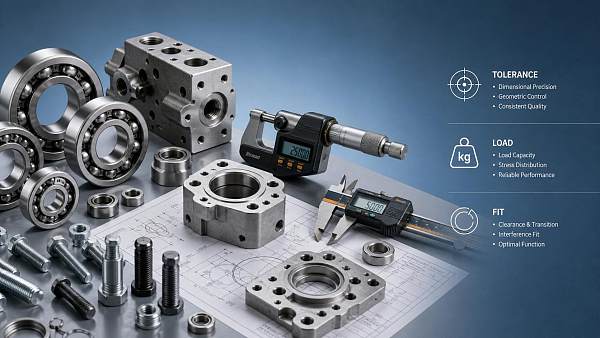
 Jul 10, 2026Component Specification Requirements Explained: How to Review Tolerance, Load, and FitComponent specification requirements explained clearly: learn how to review tolerance, load, and fit to reduce risk, improve uptime, and make smarter approval decisions.● Marcus Valve
 Jul 09, 2026Playground Borders: Which Materials Work Best for Drainage, Safety, and Low MaintenancePlayground borders compared by drainage, safety, and maintenance. Discover whether rubber, concrete, timber, composite, or metal is the best fit for your project.● Marcus Valve
 Jul 08, 2026Digital Pressure Transmitters Selection Guide: Accuracy, Output Signal, and Pressure RangeDigital Pressure Transmitters selection guide covering accuracy, output signal, and pressure range. Learn how to compare options for reliable performance, compatibility, and lower lifecycle costs.● Marcus Valve
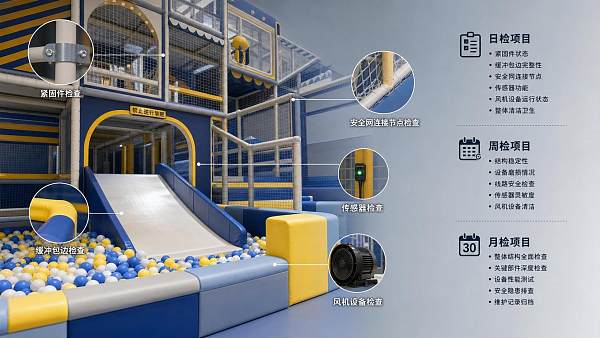
 Jul 05, 2026Indoor Playground Maintenance Checklist: Daily, Weekly, and Monthly Tasks That MatterIndoor playground maintenance made practical: discover the daily, weekly, and monthly tasks that improve safety, reduce downtime, and extend equipment life.● Marcus Valve
 Jun 30, 2026Product Selection by Current Rating: How to Match Electrical Loads and Safety MarginsProduct Selection by current rating made practical: learn how to match real electrical loads, derating factors, and safety margins for safer systems, longer component life, and smarter buying decisions.● Marcus Valve
 Jun 26, 2026Pressure Transmitters Selection Guide: Key Specifications for Industrial SystemsPressure Transmitters selection guide for industrial systems: learn key specs, avoid costly mistakes, and choose the right fit for reliable performance.● Marcus Valve