Hot Articles
Popular Tags
What Fluid Power data reveals about pressure loss
What can Fluid Power data really tell technical evaluators about pressure loss? Beyond a simple pressure-drop number, it shows how geometry, viscosity, contamination, flow regime, and component interaction shape efficiency and service life. In complex industrial systems, pressure loss is not only a hydraulic issue. It is also a signal of design quality, installation discipline, and supply-chain consistency. Reading that signal correctly leads to better specification, stronger uptime, and lower lifecycle cost.
Why a checklist approach improves pressure-loss decisions
Pressure loss is often discussed as if it were isolated inside a hose, valve, or manifold. In reality, Fluid Power data becomes useful only when compared across operating states, component tolerances, and system boundaries.
A checklist prevents narrow interpretation. It forces a structured review of flow demand, media condition, line sizing, thermal drift, and control stability. That structure matters in integrated industrial environments where one weak component can distort the performance of the entire assembly.
For broad industrial applications, a checklist also supports technical benchmarking. It aligns engineering review with ISO, DIN, ASME, and supplier test data, making Fluid Power analysis more comparable and more defensible.
Core checklist: what Fluid Power data should reveal about pressure loss
Use the following checklist to interpret Fluid Power pressure-loss data in a practical, decision-oriented way.
- Verify the reference conditions first, including fluid type, viscosity, temperature, and test flow, because pressure loss without a defined baseline has little engineering value.
- Compare laminar and turbulent behavior across the expected operating envelope, since the same Fluid Power circuit may show very different losses at startup, steady state, and peak demand.
- Check line diameter, fitting count, bend radius, and manifold transitions, because cumulative minor losses often exceed the headline loss stated for a single valve or tube.
- Review component tolerances and internal leakage together, since machining variation can change both pressure drop and volumetric efficiency under the same nominal specification.
- Measure differential pressure across filters separately, because contamination loading can make a healthy Fluid Power system appear undersized when the root cause is restricted media flow.
- Track pressure loss against fluid temperature over time, since warming fluid can reduce viscosity while also exposing seal drag, wear, or control instability elsewhere.
- Examine actuator speed, cycle time, and load response together, because pressure loss matters most when it begins to limit motion accuracy, force output, or repeatability.
- Validate data from sensors, transducers, and sampling points, since poor instrumentation placement can misrepresent true Fluid Power losses and drive incorrect redesign decisions.
- Separate continuous losses from transient spikes, because switching events, cold starts, and flow reversals can produce short pressure signatures that affect reliability differently.
- Benchmark supplier curves against in-system results, because catalog values often reflect ideal laboratory conditions rather than integrated industrial routing and duty cycles.
How to read pressure-loss signals in different applications
Hydraulic power units and motion systems
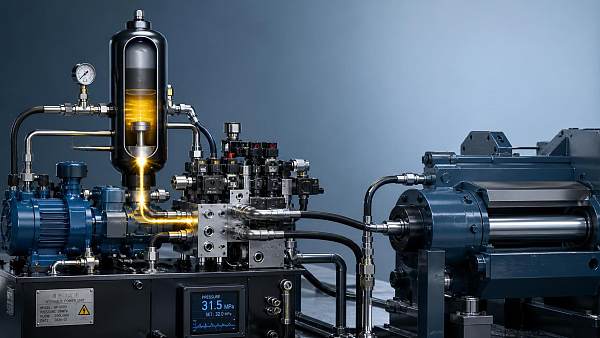
In hydraulic power units, Fluid Power data can show whether pressure loss is concentrated in suction lines, directional valves, return filtration, or long hose routing. Each pattern points to a different corrective action.
When actuator speed falls below target, the issue is not always insufficient pump capacity. Pressure-loss mapping may reveal oversized valve pressure drop, restrictive couplings, or heat-driven viscosity changes that reduce effective delivery.
Automated material handling equipment
In conveyors, lifts, and transfer platforms, pressure loss affects response time and energy consumption. Here, Fluid Power analysis should connect hydraulic behavior with cycle consistency and stop-start frequency.
Short, repeated duty cycles can magnify transient restrictions. A line that appears acceptable at average flow may still create unstable motion during rapid directional changes or synchronized multi-axis operation.
Flow metering and control assemblies
In metering skids and control loops, pressure loss must be read alongside accuracy requirements. Excessive loss upstream of sensors can distort flow profiles, create pulsation, and reduce control authority.
For these systems, Fluid Power data should include valve Cv or Kv behavior, entrance effects, and Reynolds-number sensitivity. Without that context, a pressure-drop result may be technically correct but operationally misleading.
High-reliability industrial infrastructure
In critical infrastructure, stable pressure loss is often more valuable than the lowest theoretical loss. Predictable behavior supports maintenance planning, seal life estimation, and system redundancy validation.
That is where Fluid Power data becomes strategic. It links performance drift to material quality, manufacturing consistency, and long-term component availability across global sourcing networks.
Commonly overlooked factors that distort pressure-loss analysis
Ignoring viscosity variation
A pressure-loss figure taken at one temperature can become unreliable across real duty cycles. In Fluid Power systems, viscosity shifts often change losses faster than nominal line pressure changes.
Treating catalog data as system data
Component datasheets usually isolate one part under controlled conditions. Real installations add adapters, contamination, mounting constraints, and routing compromises that raise effective pressure loss.
Missing contamination effects
Small particles alter clearances, wear surfaces, and filter restriction. A rising pressure drop may indicate debris loading rather than inadequate Fluid Power sizing.
Overlooking sensor placement
Pressure taps installed too close to bends, valves, or pulsation zones can produce unstable readings. Poor measurement architecture creates false confidence and weak corrective action.
Focusing only on peak flow
Designs optimized only for maximum flow may perform poorly during low-speed precision operation. Many Fluid Power problems emerge in partial-load conditions, not at rated throughput.
Practical execution steps for better evaluation
- Define a common test matrix covering temperature, viscosity, flow range, and load state before comparing any Fluid Power components.
- Record differential pressure at each critical segment instead of relying on one system-level reading.
- Pair pressure-loss trends with cycle time, energy draw, and maintenance events to expose hidden cause-and-effect relationships.
- Review fittings, valves, filters, and actuators as one hydraulic path, not as isolated purchased items.
- Revalidate supplier performance curves after installation, especially when routing constraints or cross-brand substitutions are involved.
- Use pressure-loss data to support sourcing discipline, favoring repeatable tolerance control and verified standards compliance.
Summary and action guide
Fluid Power data reveals far more than whether pressure drop is high or low. It exposes how line design, fluid condition, component quality, and operating reality interact across the whole system.
The most useful approach is structured and comparative. Check reference conditions, separate component losses, validate instrumentation, and connect hydraulic behavior with motion, energy, and maintenance outcomes.
As a next step, build a pressure-loss review sheet for every critical circuit. Include test conditions, segment readings, contamination status, and supplier benchmarks. That simple discipline turns Fluid Power data into a reliable basis for specification, troubleshooting, and long-term industrial performance.
Recommended News
 Oct 09, 2026How to Assess a Jade Bangles Manufacturer for Authenticity and OEM QualityAssess a jade bangles manufacturer for authenticity, treatment disclosure, OEM consistency, quality control, certification, and export-ready documentation.● Marcus Valve
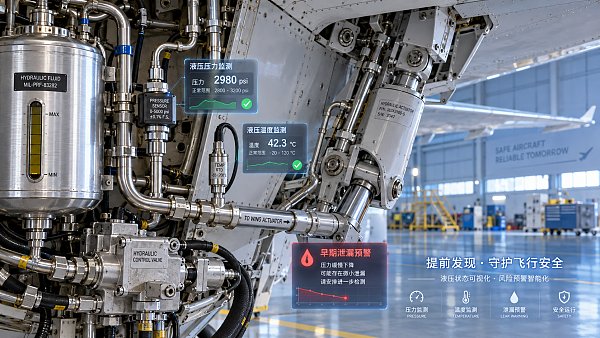
 Oct 02, 2026How Aircraft Hydraulic Safety Alerts Help Detect Leaks and Pressure Loss EarlyAircraft hydraulic safety alerts detect leaks and pressure loss early through smarter monitoring of pressure, fluid quantity, temperature, pump behavior, and actuator response.● Marcus Valve
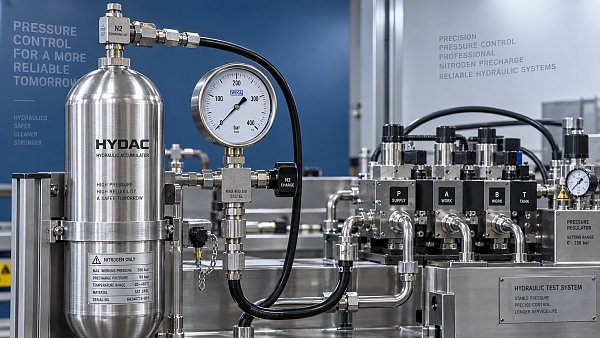
 Sep 27, 2026Hydraulic Accumulator Precharge: How to Set It for Reliable Pressure ControlHydraulic accumulator precharge guide: set nitrogen pressure accurately for stable control, usable fluid volume, safer operation, and longer system life.● Marcus Valve
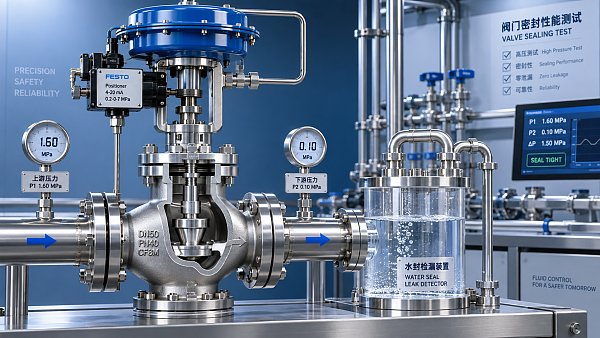
 Sep 26, 2026Valve Leakage Class Data: How to Interpret Allowable Leakage for Critical ServiceValve leakage class data explained: learn how to assess allowable leakage, test media, pressure differential, seat design, and standards for critical valve service.● Marcus Valve
 Sep 21, 2026Wholesale Vending Machines: A Buyer’s Checklist for Pricing, Capacity, and Service SupportWholesale vending machines buyer’s checklist: compare delivered pricing, real product capacity, payment options, installation needs, and dependable service support.● Marcus Valve
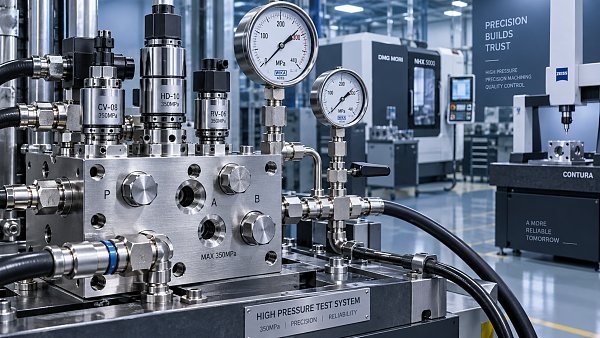
 Sep 20, 2026How to Evaluate a Hydraulic Manifold Manufacturer for High-Pressure SystemsHydraulic Manifolds manufacturer evaluation guide: compare pressure ratings, materials, machining, testing, cleanliness, and traceability for reliable high-pressure systems.● Marcus Valve
 Sep 08, 2026How to Specify High-Pressure Fluid Power Systems for Demanding Industrial Duty CyclesFluid Power high pressure system specification guide: optimize duty cycles, fatigue life, cleanliness, thermal control, safety, and supplier reliability.● Marcus Valve
 Sep 02, 2026How to Set Piston Accumulator Precharge Pressure for Reliable Hydraulic PerformancePiston accumulator precharge pressure: learn how to set P0, P1, and P2 for dependable hydraulic energy storage, safety reserves, and pulsation control.● Marcus Valve
 Aug 27, 2026How to Reduce Hydraulic Manifold Pressure Drop Without Undersizing Flow CapacityHydraulic manifold pressure drop: learn practical ways to cut energy loss, protect flow capacity, improve thermal stability, and optimize valve and port design.● Marcus Valve
 Aug 17, 2026How to Choose the Right Outdoor Patio Heater for Commercial SpacesOutdoor patio heaters for commercial spaces: learn how to choose the right model for comfort, safety, durability, and lower operating costs.● Marcus Valve
 Aug 12, 2026How to Select Hydraulic Components for Industrial Machinery by Load, Pressure, and Duty CycleHydraulic components for industrial machinery: learn how to match load, pressure, and duty cycle to reduce downtime, avoid oversizing, and improve reliability.● Marcus Valve
 Aug 09, 2026How to Size a High Pressure Hydraulic Accumulator for Peak Load StabilityHigh pressure hydraulic accumulator sizing made clear: learn how to define pressure windows, usable oil volume, and response speed for stable peak loads and smarter selection.● Marcus Valve
 Aug 03, 2026What Criteria Matter Most When Comparing Solutions for a B2B Buying Decision?Solution comparison criteria for B2B buying: learn how to weigh technical fit, supplier reliability, TCO, scalability, and supply-chain risk to choose with confidence.● Marcus Valve
 Jul 27, 2026How to Choose Custom Printed Guitar Picks for Branding, Events, and Retail SalesGuitar picks custom printed: learn how to choose the right material, thickness, print quality, packaging, and supplier for branding, events, and retail success.● Marcus Valve
 Jul 24, 2026How Do Metronomes and Tuners Work Together to Improve Practice Accuracy?Metronomes and tuners work best together to improve practice accuracy. Discover how they sharpen timing, stabilize pitch, and help musicians build more reliable performance results.● Marcus Valve
 Jul 23, 2026Product Selection for Electronic Components: Key Criteria for Reliable Design ChoicesProduct Selection for electronic components starts with reliability. Learn how to evaluate thermal, compliance, and supply-chain risks to build durable, cost-efficient designs.● Marcus Valve
 Jul 21, 2026How to Select Stainless Steel Level Transmitters for Corrosive Liquid ApplicationsStainless steel Level Transmitters selection for corrosive liquids starts with media, seals, and pressure. Learn how to choose reliable, compliant options that cut failure risk and downtime.● Marcus Valve
 Jul 12, 2026Luxury Vinyl Tile for Commercial Spaces: How to Compare Wear, Cost, and MaintenanceLuxury vinyl tile commercial flooring guide: compare wear layer, lifecycle cost, and maintenance needs to choose a durable, low-risk option for busy commercial spaces.● Marcus Valve
 Jul 10, 2026Component Specification Requirements Explained: How to Review Tolerance, Load, and FitComponent specification requirements explained clearly: learn how to review tolerance, load, and fit to reduce risk, improve uptime, and make smarter approval decisions.● Marcus Valve
 Jul 09, 2026Playground Borders: Which Materials Work Best for Drainage, Safety, and Low MaintenancePlayground borders compared by drainage, safety, and maintenance. Discover whether rubber, concrete, timber, composite, or metal is the best fit for your project.● Marcus Valve
 Jul 08, 2026Digital Pressure Transmitters Selection Guide: Accuracy, Output Signal, and Pressure RangeDigital Pressure Transmitters selection guide covering accuracy, output signal, and pressure range. Learn how to compare options for reliable performance, compatibility, and lower lifecycle costs.● Marcus Valve
 Jul 05, 2026Indoor Playground Maintenance Checklist: Daily, Weekly, and Monthly Tasks That MatterIndoor playground maintenance made practical: discover the daily, weekly, and monthly tasks that improve safety, reduce downtime, and extend equipment life.● Marcus Valve
 Jun 30, 2026Product Selection by Current Rating: How to Match Electrical Loads and Safety MarginsProduct Selection by current rating made practical: learn how to match real electrical loads, derating factors, and safety margins for safer systems, longer component life, and smarter buying decisions.● Marcus Valve
 Jun 26, 2026Pressure Transmitters Selection Guide: Key Specifications for Industrial SystemsPressure Transmitters selection guide for industrial systems: learn key specs, avoid costly mistakes, and choose the right fit for reliable performance.● Marcus Valve