Hot Articles
Popular Tags
Is Total Reliability Certification Worth the Cost
Is Total Reliability certification worth the cost for industrial buyers and evaluators? This article explores how Total Reliability certification influences Operational Uptime improvement across complex supply networks, from Advanced Hydraulic solutions and High-Pressure Hydraulic Cylinders for construction to Vibration-Resistant Fasteners specifications and Supply-Chain Orchestration tools, helping procurement teams turn Technical Intelligence report insights into smarter sourcing and risk-control decisions.
What does Total Reliability certification actually mean in industrial procurement?
For most B2B buyers, Total Reliability certification is not a single universal certificate with one global issuer. In practice, it functions as a procurement concept that combines documented quality consistency, traceability, process control, standards alignment, and field-performance assurance across critical components. That matters most when one failed part can stop a production line for 4–12 hours or trigger downstream warranty disputes across several suppliers.
In industries tied to hydraulic power, fastening systems, automated material handling, flow metering, and orchestration software, reliability is rarely judged by product brochures alone. Procurement teams usually need evidence across 3 layers: manufacturing control, conformity to relevant standards, and actual supply-chain responsiveness. A component may meet dimensional requirements yet still create risk if batch variation, packaging integrity, export compliance, or replacement lead time is unstable.
This is where G-ISC provides practical value. Instead of treating certification as a marketing label, G-ISC evaluates the broader reliability environment around components and suppliers. That includes benchmark logic based on ISO, DIN, ASME, and IEEE references, plus commercial signals such as raw material volatility, trade policy shifts, and tender activity that can change delivery certainty within 2–8 weeks.
For information researchers and sourcing specialists, the real question is not “Does a supplier show a certificate?” but “Does the supplier’s reliability system lower operational risk across specification, delivery, replacement, and compliance?” A Total Reliability approach becomes worthwhile only when it reduces the total cost of interruption, requalification, inspection repetition, or cross-border sourcing delays.
Core elements buyers should verify
- Documented process control, including incoming material verification, in-process checks, and final inspection records for each batch or lot.
- Traceability depth, such as whether serial, heat, batch, or calibration records can be retrieved within 24–72 hours when a claim occurs.
- Standards relevance, meaning the certification framework aligns with the product category rather than using a generic quality claim for highly specialized components.
- Supply continuity evidence, including lead time stability, substitute-part control, and escalation procedures for urgent replenishment.
Why this matters more for critical components
A high-pressure hydraulic cylinder, a vibration-resistant fastener, or a precision valve may represent a small percentage of total project spend, yet it can define the uptime of an excavator fleet, conveyor network, or metering skid. In these categories, even a tolerance drift of a few critical dimensions, an undocumented coating change, or weak packaging for overseas transit can generate failures far beyond the part price.
That is why many procurement teams now assess reliability certification as part of a system. They compare technical conformance, supplier behavior, and market intelligence together rather than reviewing paperwork in isolation.
When is the cost justified, and when is it excessive?
The value of Total Reliability certification depends on failure consequence, procurement frequency, regulatory exposure, and replacement complexity. If a part is low-cost, non-critical, easy to source, and replaceable within 24–48 hours, a premium reliability framework may add limited value. If the part supports continuous operation, export compliance, safety integrity, or synchronized project delivery, the added cost can be justified quickly.
Industrial buyers often make a mistake by comparing certification cost only against unit price. A better model compares certification cost against the cost of quality incidents: emergency freight, engineering review time, line stoppage, re-inspection, legal exposure, and distributor reputation loss. In many multinational supply arrangements, one disrupted shipment can erase the savings from several low-cost purchase cycles.
For distributors and commercial evaluators, the economics are also tied to account retention. If a reliability-backed sourcing program reduces claim frequency across 2–3 contract years, the premium may protect margins and reduce hidden service labor. That is especially relevant for categories affected by steel, nickel, or titanium price swings, where low-price sourcing can mask inconsistent material control.
The table below shows a practical way to evaluate whether Total Reliability certification is proportionate to the sourcing risk involved.
The main insight is simple: certification is most valuable where replacement is slow, failure impact is large, and documentation matters. It is least compelling where standardization is high and switching cost is low. Procurement teams that separate “critical uptime items” from “routine consumables” usually make better cost decisions than teams applying one rule to every SKU.
A practical cost lens for buyers
Use a 4-part evaluation model before approving any premium associated with Total Reliability certification:
- Estimate direct purchase uplift, such as 3%–12% over baseline depending on component complexity and documentation scope.
- Estimate potential interruption cost per incident, including labor idle time, replacement freight, and secondary quality checks.
- Review supplier responsiveness in urgent events, especially whether replacement or containment can begin within the same day, 24 hours, or 72 hours.
- Check if the certified process reduces duplicate audits, incoming inspection workload, or approval friction across multi-country operations.
Which industrial scenarios benefit most from a Total Reliability approach?
Not every industry uses the same risk logic. The strongest return usually appears where systems run continuously, operate under high load, or depend on exact fit between multiple suppliers. G-ISC’s five-pillar structure is useful here because procurement rarely fails from one isolated part; it fails from interaction between mechanics, controls, logistics, and market pressure.
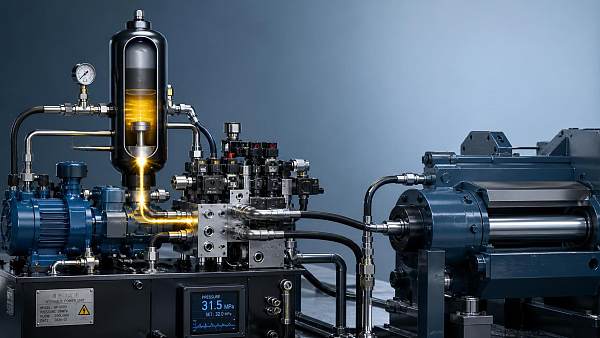
In Advanced Hydraulic applications, high-pressure cylinders, seals, valves, and fittings must perform under fluctuating loads, temperature swings, and contamination risk. A certification-backed reliability program can support material traceability, seal compatibility review, pressure-test evidence, and maintenance planning intervals that often run by monthly, quarterly, or 2,000-hour service cycles.
In Precision Industrial Fasteners & Connectors, the issue is not just strength class or dimensions. Buyers must evaluate coating stability, vibration resistance, torque consistency, and lot traceability. On infrastructure, transport, or rotating-equipment projects, one nonconforming batch can lead to rework across hundreds or thousands of installed points. In such cases, reliability certification supports containment speed and accountability.
In Automated Material Handling and intelligent flow metering, the logic extends beyond hardware. Sensor calibration intervals, firmware control, software integration, and spare-part synchronization all influence uptime. A supplier may deliver acceptable hardware but still create risk if change management is weak or if replacement modules require 2–6 weeks of requalification.
Scenario comparison for decision-makers
The table below helps procurement and commercial teams identify where reliability certification adds the most strategic value.
This comparison shows why “worth the cost” depends on context. The more tightly the component is linked to uptime, auditability, and replacement complexity, the stronger the case for investing in reliability-backed sourcing.
Where distributors and agents gain an edge
Distributors often compete on speed and availability, but margin erosion starts when product claims consume technical support hours. A reliability-oriented certification framework can improve distributor performance in 3 practical ways: fewer repeat complaints, easier customer audits, and stronger differentiation in bids where documentation matters. That can be more valuable than competing on price alone.
For channel partners, reliability also improves forecasting. When supplier process control is stable, reorder points, safety stock, and replacement commitments can be planned with less volatility over quarterly and annual sales cycles.
How should buyers compare certification, technical evidence, and supplier capability?
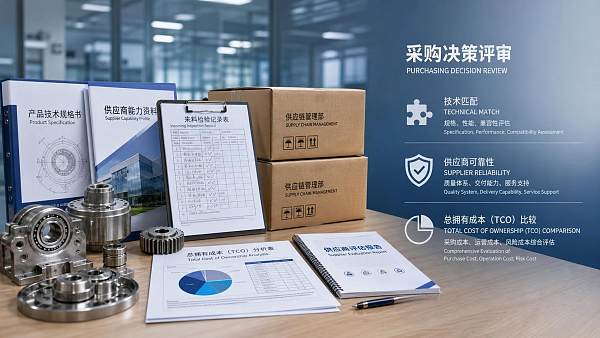
A common sourcing error is to overvalue certificates and undervalue execution evidence. The strongest procurement decision balances 3 dimensions: formal compliance, technical fitness, and operational delivery capability. If one dimension is weak, Total Reliability claims become fragile. For example, a supplier may hold a recognized management certificate but lack lot-level traceability or engineering response for abnormal vibration conditions.
Buyers should ask whether the supplier can support the entire decision cycle, not just the invoice. That includes sample review, specification clarification, deviation control, replacement terms, and logistics planning. In cross-border sourcing, the reliability of documents, packaging, labeling, and customs readiness can be as important as the hardware itself, especially when delivery windows are only 7–15 days.
G-ISC’s advantage is that it frames sourcing as a technical and commercial intelligence problem at the same time. Procurement teams can benchmark not only product claims but also raw material movement, policy risk, and supply concentration. This helps evaluators decide whether a certification premium truly reduces exposure or merely adds administrative cost.
Some buyers exploring documentation and product references may encounter placeholder listings such as 无. In such cases, the correct approach is not to rely on the listing itself but to request traceability records, standard references, quality plans, and delivery commitments that fit the actual application.
Five checkpoints before approving a supplier
- Verify application match: pressure class, load condition, torque behavior, calibration duty, or integration environment must align with the use case rather than general catalog data.
- Review standards basis: ask which ISO, DIN, ASME, IEEE, or equivalent references support the design, test, or documentation package.
- Check response timing: define expected action windows for nonconformity review, replacement authorization, and corrective action, such as 24 hours, 72 hours, and 10 business days.
- Assess supply continuity: identify single-source dependencies, alternate factories, safety stock policy, and transport route resilience.
- Map total landed risk: include customs, packaging, documentation, regional compliance, and engineering communication quality in the buying decision.
What to request from the supplier in practice
A useful supplier pack usually includes 6 items: applicable standards list, inspection or test plan, material or batch traceability summary, dimensional or calibration records where relevant, packaging and labeling description, and lead-time commitment with escalation terms. If even 2 of these elements are unclear, the buyer should pause and re-evaluate the real reliability level.
This is also the stage where commercial teams should discuss sampling, qualification quantity, and whether the offered item is original, equivalent, or modified. Ambiguity at the start often becomes the most expensive issue later.
What are the most common misconceptions about Total Reliability certification?
One misconception is that certification automatically guarantees low failure rates. It does not. Certification can confirm that a management or control system exists, but the actual risk outcome still depends on design suitability, process discipline, installation quality, transport conditions, and maintenance behavior. Reliability is cumulative, not purely documentary.
Another misconception is that the cheapest certified source is the best source. In reality, the lowest certified quote may still be risky if engineering clarification is weak, lot traceability is incomplete, or replenishment lead time is unstable. Procurement should compare not only price and paperwork, but also response quality, deviation control, and supply-chain resilience.
A third misconception is that certification matters only for large OEMs. Mid-size contractors, distributors, and regional integrators often feel reliability failures more sharply because they have less buffer inventory and fewer internal engineering resources. A single claim can absorb weeks of commercial energy. For them, structured reliability controls may be even more important.
Finally, some teams assume that if the initial pilot batch performs well, long-term risk is solved. But raw material shifts, subcontracting changes, and policy disruptions can alter consistency over 6–12 months. Ongoing monitoring remains essential, especially in categories exposed to volatile metals or cross-border documentation changes.
FAQ for buyers, evaluators, and channel partners
How do I know whether a certification premium is justified for my application?
Start with 3 questions: What happens if the part fails? How fast can it be replaced? How much documentation is required for acceptance? If failure causes downtime beyond a few hours, replacement takes more than 7 days, or audit requirements are strict, the premium is more likely to be justified.
Which documents matter more than a certificate itself?
For many industrial categories, batch traceability, inspection plans, material records, dimensional reports, calibration evidence, and deviation-control procedures can be more decision-critical than a headline certificate. These documents show how reliability works in practice.
Does Total Reliability certification reduce delivery risk?
It can reduce delivery risk when the certification logic is tied to planning discipline, packaging control, release approval, and corrective-action speed. It does not remove external risk such as port congestion or policy shifts, so buyers should still verify logistics plans and alternate supply options.
Is it relevant for software and smart supply-chain tools too?
Yes, especially where orchestration software affects replenishment, demand forecasting, or spare-part allocation. Reliability in software means version control, integration consistency, audit trails, and stable decision logic, not only interface usability.
Why work with G-ISC when evaluating reliability cost, compliance, and sourcing risk?
Industrial buyers do not need more generic claims. They need a decision framework that connects technical conformance, commercial exposure, and supply continuity. G-ISC is built for that purpose. Its coverage across Advanced Hydraulic & Fluid Power, Precision Fasteners & Connectors, AMH, Intelligent Flow Metering & Control, and AI-Driven Supply-Chain Orchestration allows buyers to assess reliability in the full operating context rather than one isolated item.
This matters when sourcing teams must evaluate multiple variables at once: specification fit, standards alignment, lead-time stability, material price movement, and cross-border policy changes. Instead of treating procurement as a simple quote comparison, G-ISC supports a more defensible process for technical intelligence review, risk filtering, and supplier prioritization across 3 stages: pre-qualification, bid evaluation, and post-award monitoring.
If you are reviewing whether Total Reliability certification is worth the cost, the most useful next step is a structured consultation. That can include parameter confirmation, standards interpretation, supplier comparison logic, lead-time expectations, sample support planning, and quote discussion for critical components or multi-category sourcing programs. If a placeholder reference such as 无 appears in your evaluation path, we can help translate it into a practical checklist instead of a paperwork exercise.
Contact us when you need support with 5 specific areas: component selection, certification requirement review, delivery-cycle assessment, alternative source mapping, and risk-control strategy for global industrial supply chains. That is where Total Reliability becomes more than a cost item—it becomes a procurement decision with measurable operational consequences.
Recommended News
 Oct 09, 2026How to Assess a Jade Bangles Manufacturer for Authenticity and OEM QualityAssess a jade bangles manufacturer for authenticity, treatment disclosure, OEM consistency, quality control, certification, and export-ready documentation.● Marcus Valve
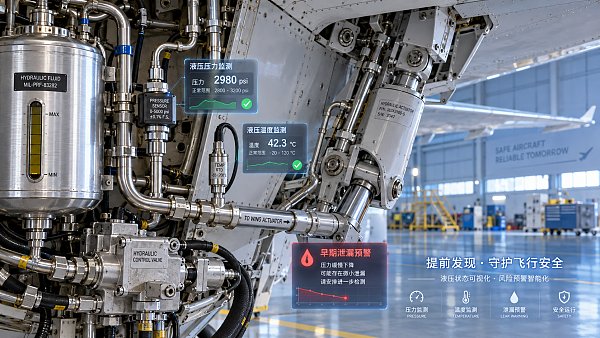
 Oct 02, 2026How Aircraft Hydraulic Safety Alerts Help Detect Leaks and Pressure Loss EarlyAircraft hydraulic safety alerts detect leaks and pressure loss early through smarter monitoring of pressure, fluid quantity, temperature, pump behavior, and actuator response.● Marcus Valve
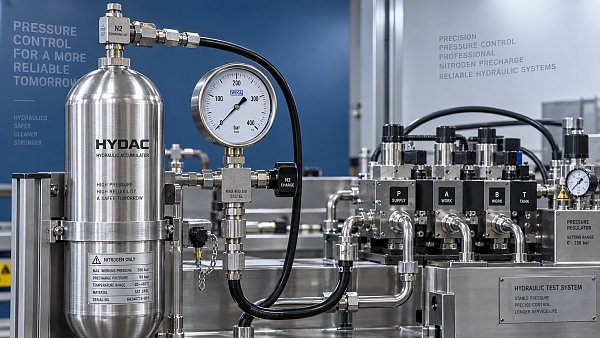
 Sep 27, 2026Hydraulic Accumulator Precharge: How to Set It for Reliable Pressure ControlHydraulic accumulator precharge guide: set nitrogen pressure accurately for stable control, usable fluid volume, safer operation, and longer system life.● Marcus Valve
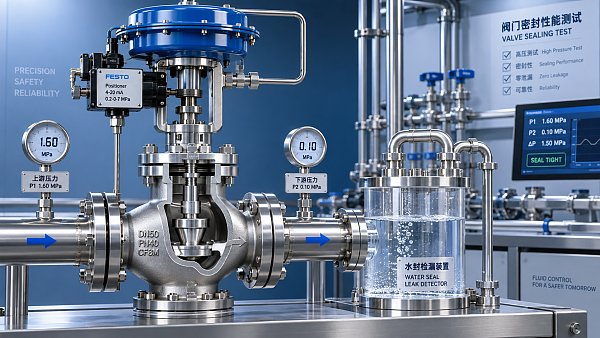
 Sep 26, 2026Valve Leakage Class Data: How to Interpret Allowable Leakage for Critical ServiceValve leakage class data explained: learn how to assess allowable leakage, test media, pressure differential, seat design, and standards for critical valve service.● Marcus Valve
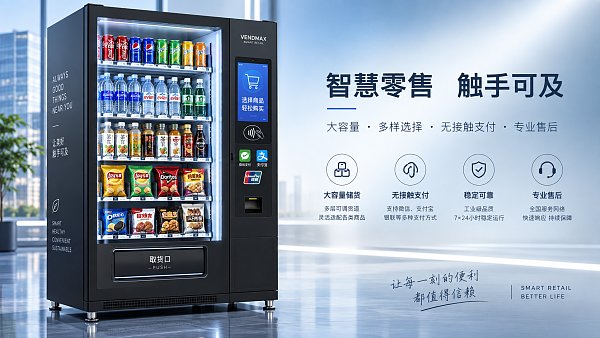
 Sep 21, 2026Wholesale Vending Machines: A Buyer’s Checklist for Pricing, Capacity, and Service SupportWholesale vending machines buyer’s checklist: compare delivered pricing, real product capacity, payment options, installation needs, and dependable service support.● Marcus Valve
 Sep 20, 2026How to Evaluate a Hydraulic Manifold Manufacturer for High-Pressure SystemsHydraulic Manifolds manufacturer evaluation guide: compare pressure ratings, materials, machining, testing, cleanliness, and traceability for reliable high-pressure systems.● Marcus Valve
 Sep 08, 2026How to Specify High-Pressure Fluid Power Systems for Demanding Industrial Duty CyclesFluid Power high pressure system specification guide: optimize duty cycles, fatigue life, cleanliness, thermal control, safety, and supplier reliability.● Marcus Valve
 Sep 02, 2026How to Set Piston Accumulator Precharge Pressure for Reliable Hydraulic PerformancePiston accumulator precharge pressure: learn how to set P0, P1, and P2 for dependable hydraulic energy storage, safety reserves, and pulsation control.● Marcus Valve
 Aug 27, 2026How to Reduce Hydraulic Manifold Pressure Drop Without Undersizing Flow CapacityHydraulic manifold pressure drop: learn practical ways to cut energy loss, protect flow capacity, improve thermal stability, and optimize valve and port design.● Marcus Valve
 Aug 17, 2026How to Choose the Right Outdoor Patio Heater for Commercial SpacesOutdoor patio heaters for commercial spaces: learn how to choose the right model for comfort, safety, durability, and lower operating costs.● Marcus Valve
 Aug 12, 2026How to Select Hydraulic Components for Industrial Machinery by Load, Pressure, and Duty CycleHydraulic components for industrial machinery: learn how to match load, pressure, and duty cycle to reduce downtime, avoid oversizing, and improve reliability.● Marcus Valve
 Aug 09, 2026How to Size a High Pressure Hydraulic Accumulator for Peak Load StabilityHigh pressure hydraulic accumulator sizing made clear: learn how to define pressure windows, usable oil volume, and response speed for stable peak loads and smarter selection.● Marcus Valve
 Aug 03, 2026What Criteria Matter Most When Comparing Solutions for a B2B Buying Decision?Solution comparison criteria for B2B buying: learn how to weigh technical fit, supplier reliability, TCO, scalability, and supply-chain risk to choose with confidence.● Marcus Valve
 Jul 27, 2026How to Choose Custom Printed Guitar Picks for Branding, Events, and Retail SalesGuitar picks custom printed: learn how to choose the right material, thickness, print quality, packaging, and supplier for branding, events, and retail success.● Marcus Valve
 Jul 24, 2026How Do Metronomes and Tuners Work Together to Improve Practice Accuracy?Metronomes and tuners work best together to improve practice accuracy. Discover how they sharpen timing, stabilize pitch, and help musicians build more reliable performance results.● Marcus Valve
 Jul 23, 2026Product Selection for Electronic Components: Key Criteria for Reliable Design ChoicesProduct Selection for electronic components starts with reliability. Learn how to evaluate thermal, compliance, and supply-chain risks to build durable, cost-efficient designs.● Marcus Valve
 Jul 21, 2026How to Select Stainless Steel Level Transmitters for Corrosive Liquid ApplicationsStainless steel Level Transmitters selection for corrosive liquids starts with media, seals, and pressure. Learn how to choose reliable, compliant options that cut failure risk and downtime.● Marcus Valve
 Jul 12, 2026Luxury Vinyl Tile for Commercial Spaces: How to Compare Wear, Cost, and MaintenanceLuxury vinyl tile commercial flooring guide: compare wear layer, lifecycle cost, and maintenance needs to choose a durable, low-risk option for busy commercial spaces.● Marcus Valve
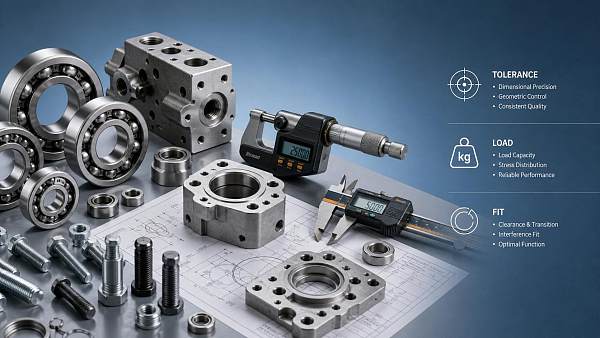
 Jul 10, 2026Component Specification Requirements Explained: How to Review Tolerance, Load, and FitComponent specification requirements explained clearly: learn how to review tolerance, load, and fit to reduce risk, improve uptime, and make smarter approval decisions.● Marcus Valve
 Jul 09, 2026Playground Borders: Which Materials Work Best for Drainage, Safety, and Low MaintenancePlayground borders compared by drainage, safety, and maintenance. Discover whether rubber, concrete, timber, composite, or metal is the best fit for your project.● Marcus Valve
 Jul 08, 2026Digital Pressure Transmitters Selection Guide: Accuracy, Output Signal, and Pressure RangeDigital Pressure Transmitters selection guide covering accuracy, output signal, and pressure range. Learn how to compare options for reliable performance, compatibility, and lower lifecycle costs.● Marcus Valve
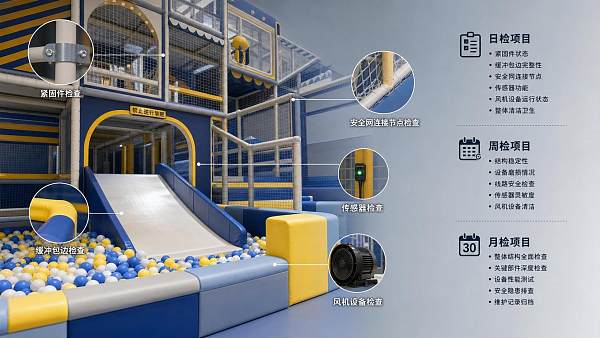
 Jul 05, 2026Indoor Playground Maintenance Checklist: Daily, Weekly, and Monthly Tasks That MatterIndoor playground maintenance made practical: discover the daily, weekly, and monthly tasks that improve safety, reduce downtime, and extend equipment life.● Marcus Valve
 Jun 30, 2026Product Selection by Current Rating: How to Match Electrical Loads and Safety MarginsProduct Selection by current rating made practical: learn how to match real electrical loads, derating factors, and safety margins for safer systems, longer component life, and smarter buying decisions.● Marcus Valve
 Jun 26, 2026Pressure Transmitters Selection Guide: Key Specifications for Industrial SystemsPressure Transmitters selection guide for industrial systems: learn key specs, avoid costly mistakes, and choose the right fit for reliable performance.● Marcus Valve