Hot Articles
Popular Tags
How Supply-Chain Orchestration improves inventory decisions
Why Supply-Chain Orchestration matters when inventory decisions face constant pressure
For industrial supply networks, inventory decisions are rarely about stock alone. They are about uptime, cash flow, supplier risk, and the ability to respond without delay.
Supply-Chain Orchestration helps convert disconnected planning inputs into coordinated action. It links demand changes, supplier behavior, lead-time shifts, and logistics signals in one decision framework.
That matters across comprehensive industry environments, where critical components, maintenance parts, and production materials move through multi-tier global channels with uneven reliability.
Instead of reacting after shortages or overbuying, organizations can use Supply-Chain Orchestration to shape inventory positions earlier, with stronger confidence and better operational control.
This article explains how different inventory scenarios benefit from Supply-Chain Orchestration, what signals matter most, and how to avoid common judgment errors.
When inventory complexity changes by scenario, decisions need different logic
Not every inventory challenge has the same root cause. Some issues come from unstable demand, while others come from long replenishment cycles or supplier inconsistency.
Supply-Chain Orchestration improves inventory decisions because it recognizes scenario differences instead of forcing one static rule across all stocked items.
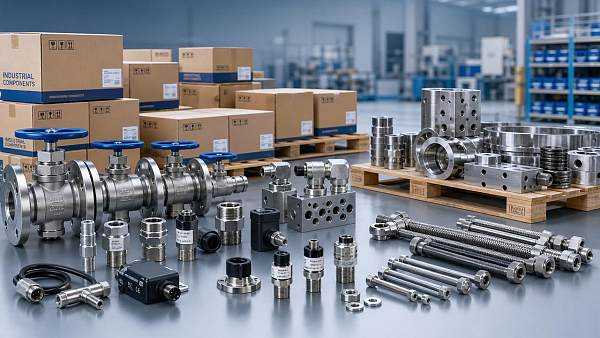
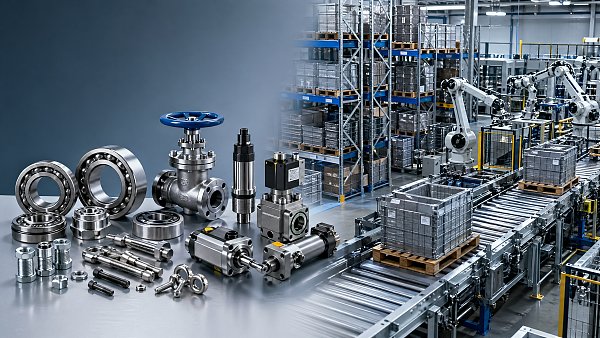
In industrial settings, a standard fastener, a hydraulic component, an AMR spare part, and a metering device do not require the same planning logic.
A coordinated system evaluates service criticality, forecast confidence, supplier resilience, transport reliability, and substitution options before recommending stock levels or replenishment timing.
This scenario-based view is where Supply-Chain Orchestration creates practical value. It helps inventory policy reflect real business conditions instead of outdated averages.
Scenario one: volatile demand requires faster signal alignment
Demand volatility often creates the most visible inventory pain. Forecasts may look reasonable monthly, but weekly swings still trigger shortages or excess stock.
Supply-Chain Orchestration improves inventory decisions here by combining order intake, usage trends, channel data, promotions, service demand, and project schedules into one responsive view.
Instead of waiting for a formal planning cycle, the system detects signal changes early and recalculates reorder points, coverage days, and priority allocations.
This is especially useful for mixed portfolios where stable industrial consumables coexist with highly variable engineered components.
Core judgment points in volatile-demand environments
- How quickly actual demand deviates from forecast
- Whether demand spikes are temporary or structural
- Which items are operationally critical despite lower volume
- Where allocation should protect service levels first
Scenario two: long lead times make safety stock decisions more strategic
When replenishment takes months, inventory mistakes become expensive. A late response can halt production, while inflated buffers can lock up large amounts of working capital.
Supply-Chain Orchestration improves inventory decisions by connecting lead-time variability, supplier capacity, inbound transport milestones, and material availability into one planning picture.
This creates a more realistic safety stock policy. It also allows selective protection for parts with high technical importance or limited replacement options.
In critical components, long lead times often hide multiple risks, including customs delays, raw material shortages, and engineering change impacts.
Key decisions under long replenishment cycles
- Separate average lead time from lead-time variability
- Track supplier promise dates against actual receipts
- Set inventory by risk tier, not by blanket percentages
- Model what happens if one source fails temporarily
Scenario three: supplier instability changes what “available inventory” really means
Inventory records may show sufficient stock on paper, yet future supply may still be fragile if supplier performance is deteriorating.
Supply-Chain Orchestration improves inventory decisions by treating supplier reliability as a live planning variable, not a background scorecard.
Late confirmations, quality incidents, partial shipments, and financial warning signs can all trigger inventory policy adjustments before disruptions become visible downstream.
This is vital for industrial categories where approved alternatives are limited and technical qualification takes time.
A coordinated platform can also recommend split sourcing, earlier ordering windows, or temporary stock elevation for vulnerable parts.
Scenario four: price volatility demands balance between cost and continuity
Raw material swings in steel, nickel, and titanium often distort normal inventory logic. Buying early may protect cost, but overbuying can create slow-moving exposure.
Supply-Chain Orchestration improves inventory decisions by combining market pricing signals with demand certainty, storage constraints, contract terms, and operational criticality.
This supports more disciplined forward-buy decisions. It helps determine when inventory should hedge risk and when flexibility is more valuable than unit price savings.
For complex industrial supply chains, that balance is essential because procurement cost and production continuity often move in opposite directions.
How scenario needs differ across inventory environments
The same Supply-Chain Orchestration platform should not apply identical actions to every item. Decision quality improves when scenario needs are clearly segmented.
Practical ways to adapt Supply-Chain Orchestration to each scenario
Effective Supply-Chain Orchestration depends on configuration discipline. The system should mirror business reality, not only process diagrams.
- Classify inventory by criticality, volatility, and substitutability
- Define scenario triggers for demand, lead time, quality, and logistics
- Use exception workflows instead of manual spreadsheet escalation
- Connect supplier data with operational and commercial signals
- Review inventory policy after major sourcing or engineering changes
- Measure outcomes through service level, turns, expedite cost, and downtime risk
For multi-category industrial environments, this structured setup allows one orchestration model to support both standard and high-specification components without oversimplifying either group.
Common mistakes that weaken inventory decisions despite better data
Many organizations collect more data but still struggle because judgment rules remain too narrow. Supply-Chain Orchestration only works when actions follow the right signals.
Frequent scenario misreads
- Assuming all high-value items need high stock
- Using average lead time while ignoring variability extremes
- Treating supplier confirmation as equal to secured supply
- Responding to price dips without checking demand confidence
- Running separate planning, sourcing, and logistics decisions without coordination
These errors create false confidence. In contrast, Supply-Chain Orchestration improves inventory decisions by exposing dependencies early and forcing trade-offs into the open.
The next step: build inventory control around coordinated signals, not isolated transactions
Supply-Chain Orchestration is not only a software concept. It is a decision model for turning fragmented industrial supply data into coordinated inventory action.
Where demand changes fast, lead times stay uncertain, and component reliability matters, this approach improves both responsiveness and discipline.
A useful starting point is to identify the top items affected by volatility, long replenishment, supplier instability, or raw material pressure.
Then align planning rules, supplier signals, and exception thresholds around those real scenarios. That is where Supply-Chain Orchestration begins to improve inventory decisions in measurable ways.
For complex global operations, better inventory outcomes come from visibility with context, action with timing, and control with cross-functional coordination.
Recommended News
 Oct 03, 2026Can an Industrial Component Be Replaced With an Equivalent Alternative?Can an industrial component be replaced with an equivalent alternative? Learn how to verify performance, safety, compliance, and lifecycle risk before switching parts.● Lina Cloud
 Sep 13, 2026Warehouse Storage Density Benchmarks: Metrics and Targets by Facility TypeWarehouse storage density benchmark insights by facility type: compare key metrics, practical targets, and layout strategies that protect throughput, safety, and capacity.● Lina Cloud
 Aug 28, 2026Using Inventory Turnover Benchmarks to Find the Metrics That Signal Excess StockInventory turnover optimization metrics benchmarking helps identify excess stock, balance criticality and cash flow, and refine smarter replenishment decisions.● Lina Cloud
 Aug 01, 2026How RFID Improves Warehouse Management Systems for Real-Time Inventory AccuracyWarehouse Management Systems RFID boosts real-time inventory accuracy by fixing process gaps, improving putaway, movement, and shipping control. See what to check before rollout.● Lina Cloud
 Jun 23, 2026Wooden Coat Hangers for Hotels: What Materials and Finishes Hold Up Best?Wooden coat hangers hotel buyers trust should resist humidity, scratches, and daily wear. Discover which wood species, finishes, and hardware deliver the best long-term value.● Lina Cloud
 Jun 13, 2026Buying Foosball Tables in Bulk: What to Compare on Build Quality, Shipping, and WarrantyFoosball tables bulk buying made smarter: compare build quality, shipping terms, packaging, and warranty support to reduce damage, control costs, and choose suppliers with confidence.● Lina Cloud
 Jun 11, 2026How to Choose Custom Printed Jewelry Boxes for Retail, Gifting, and E-commerceCustom printed jewelry boxes: learn how to choose the right design for retail, gifting, and e-commerce with better protection, branding, and cost control.● Lina Cloud
 Jun 10, 2026Industrial Procurement Strategy: How to Reduce Supply Risk Without Raising Total CostIndustrial Procurement strategy that cuts supply risk without raising total cost. Learn practical ways to improve supplier resilience, standardize smarter, and protect continuity.● Lina Cloud
![]() Jun 09, 2026Body Piercing Jewelry Bulk: How to Compare Materials, Sizes, and MOQ Before OrderingBody piercing jewelry bulk buying is more than a price check. Compare materials, sizes, MOQ, and quality risks before ordering to reduce returns and choose suppliers with confidence.● Lina Cloud
Jun 09, 2026Body Piercing Jewelry Bulk: How to Compare Materials, Sizes, and MOQ Before OrderingBody piercing jewelry bulk buying is more than a price check. Compare materials, sizes, MOQ, and quality risks before ordering to reduce returns and choose suppliers with confidence.● Lina Cloud![]() Jun 09, 2026Luxury Furniture Buying Guide: Materials, Craftsmanship, and Red Flags to CompareLuxury furniture buying guide: learn how to compare materials, craftsmanship, supplier red flags, and lifecycle value to choose premium pieces with confidence.● Lina Cloud
Jun 09, 2026Luxury Furniture Buying Guide: Materials, Craftsmanship, and Red Flags to CompareLuxury furniture buying guide: learn how to compare materials, craftsmanship, supplier red flags, and lifecycle value to choose premium pieces with confidence.● Lina Cloud Jun 03, 2026Highlighter Markers Wholesale: Ink Types, Pack Sizes, and Cost FactorsHighlighter markers wholesale guide: compare ink types, pack sizes, compliance, and cost factors to source reliable, retail-ready bulk supplies with better margins.● Lina Cloud
 Jun 02, 2026Dry Erase Boards Bulk Buying Guide: Sizes, Surfaces, and Cost FactorsDry erase boards bulk buying guide covering sizes, surfaces, durability, installation, and cost factors to help you source smarter and maximize long-term value.● Lina Cloud
 May 20, 2026How Supply-Chain Orchestration improves inventory decisionsSupply-Chain Orchestration improves inventory decisions by aligning demand, lead times, supplier risk, and cost signals—helping teams cut shortages, control stock, and act faster.● Lina Cloud
 May 04, 2026How to choose Supply-Chain Orchestration tools for complex inventory flowsSupply-Chain Orchestration tools guide for complex inventory flows: compare real-time tracking, sustainability, Total Reliability, and uptime gains to choose smarter, faster platforms.● Lina Cloud
![]() May 01, 2026Reshoring Strategy News Is Changing Factory PlanningSupply chain reshoring strategy news is reshaping factory planning with Total Reliability certification, smarter Supply-Chain Orchestration for manufacturing, and 5G logistics tracking insights.● Lina Cloud
May 01, 2026Reshoring Strategy News Is Changing Factory PlanningSupply chain reshoring strategy news is reshaping factory planning with Total Reliability certification, smarter Supply-Chain Orchestration for manufacturing, and 5G logistics tracking insights.● Lina Cloud![]() Apr 30, 2026Why Critical Components Supply Chain Risks Are Hard to SpotCritical Components supply chain risks are hard to spot amid fragmented data and ISO Compliance requirements. Learn how Operational Uptime monitoring and smarter sourcing reduce downtime.● Lina Cloud
Apr 30, 2026Why Critical Components Supply Chain Risks Are Hard to SpotCritical Components supply chain risks are hard to spot amid fragmented data and ISO Compliance requirements. Learn how Operational Uptime monitoring and smarter sourcing reduce downtime.● Lina Cloud![]() Apr 29, 2026How to build an industrial procurement strategy?Industrial Procurement strategy guide: use Technical Intelligence platform insights, Supply-Chain Orchestration for manufacturing, and Total Reliability certification to source Advanced Hydraulic solutions and Vibration-Resistant Fasteners supplier options with confidence.● Lina Cloud
Apr 29, 2026How to build an industrial procurement strategy?Industrial Procurement strategy guide: use Technical Intelligence platform insights, Supply-Chain Orchestration for manufacturing, and Total Reliability certification to source Advanced Hydraulic solutions and Vibration-Resistant Fasteners supplier options with confidence.● Lina Cloud![]() Apr 29, 2026What industrial procurement best practices reduce risk?Industrial Procurement best practices and Industrial Procurement strategy to cut sourcing risk—improve supplier control, compliance, TCO visibility, and supply resilience. Learn practical steps now.● Lina Cloud
Apr 29, 2026What industrial procurement best practices reduce risk?Industrial Procurement best practices and Industrial Procurement strategy to cut sourcing risk—improve supplier control, compliance, TCO visibility, and supply resilience. Learn practical steps now.● Lina Cloud Apr 28, 2026Inventory carrying cost metrics that hide margin erosionInventory carrying cost metrics can hide margin erosion. See how data integration API latency, 5G logistics tracking, and blockchain traceability reshape industrial sourcing decisions.● Lina Cloud
 Apr 21, 2026Strategic Sourcing Decisions That Backfire After AwardStrategic Sourcing in Industrial Manufacturing: avoid post-award failures in System Integration, Flow Control, Industrial Standards, and Global Supply Chain execution.● Lina Cloud