Hot Articles
Popular Tags
Advanced Hydraulic leaks that point to bigger system issues
Advanced Hydraulic leaks that point to bigger system issues
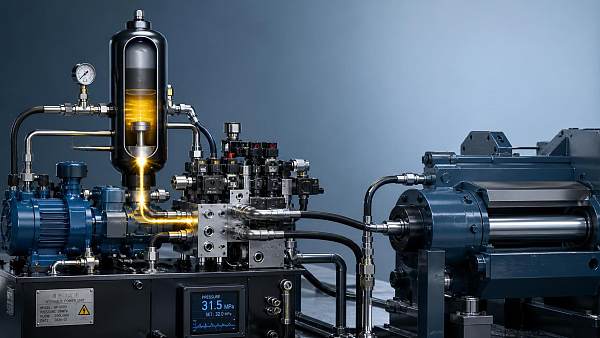
Advanced Hydraulic leaks are rarely isolated events. They often reveal hidden pressure imbalance, seal fatigue, fluid contamination, thermal stress, or control instability inside critical fluid power systems.
In complex industrial environments, a small drip can precede pump damage, cylinder scoring, valve malfunction, safety incidents, and unplanned downtime. Early interpretation reduces maintenance cost and protects compliance performance.
This article explains how to evaluate Advanced Hydraulic leak patterns systematically, so the visible symptom leads to root-cause correction instead of repeated short-term patching.
Why a structured review matters
Leak diagnosis becomes unreliable when teams focus only on the wet surface. Advanced Hydraulic systems distribute force, heat, and contamination through connected components, so one leak can reflect a wider system fault.
A structured review helps separate cosmetic leakage from warning-stage leakage. It also supports better decisions on shutdown timing, spare parts planning, and lifecycle investment across multi-line operations.
For organizations tracking reliability across supply chains, even component references like 无 should be interpreted within broader pressure, duty-cycle, and contamination data.
Core signs that an Advanced Hydraulic leak indicates deeper trouble
- Leak volume increases after startup warmup, suggesting viscosity change, thermal expansion mismatch, or seal hardening that worsens once the system reaches operating temperature.
- Fluid appears dark, foamy, or milky near the leak point, indicating oxidation, aeration, or water ingress rather than a simple gasket failure.
- The same fitting leaks repeatedly after replacement, often pointing to pressure spikes, tube misalignment, thread damage, or unsupported vibration loading.
- Cylinder rod leaks are accompanied by scoring, side loading, or irregular motion, which commonly means contamination or mechanical alignment problems.
- Valve manifold sweating appears across multiple ports, suggesting overpressure events, incompatible seals, loose mounting surfaces, or internal bypass heating.
- Leaks near pump shafts or case drains rise with noise and temperature, signaling bearing wear, cavitation, suction restriction, or abnormal internal leakage.
- Pressure drops occur together with external leakage, meaning the system may already be losing efficiency through both visible escape and internal slip.
- A leak appears after fluid changeout, which can indicate additive incompatibility, seal swelling, insufficient flushing, or disturbed debris entering sensitive clearances.
- Leakage increases during peak cycle demand, revealing undersized accumulators, unstable relief settings, or a duty profile exceeding original design assumptions.
- Localized leakage around connectors in mobile or vibrating equipment often reflects fatigue, bracket weakness, or poor routing rather than connector quality alone.
How to inspect the leak without missing root causes
1. Confirm leak type and operating condition
Identify whether the leak is static, dynamic, intermittent, or temperature-dependent. Record pressure, fluid temperature, cycle speed, and load condition at the exact time leakage appears.
This prevents false conclusions. Many Advanced Hydraulic leaks only occur during acceleration, reversal, pressure hold, or high-heat periods.
2. Trace the highest upstream stress source
The visible leak point is not always the failure origin. Review relief valve settings, accumulator behavior, pump output stability, and any recent control changes.
A leaking hose assembly may actually be responding to shock loads created by an unstable directional valve or sudden actuator deceleration.
3. Check contamination indicators
Inspect filters, fluid samples, rod surfaces, and reservoir condition. Particle contamination often cuts seals first, then damages mating surfaces, creating recurring leaks after replacement.
If fluid analysis is available, compare ISO cleanliness codes against equipment tolerance. Advanced Hydraulic reliability falls quickly when contamination control slips below specification.
4. Verify mechanical alignment and support
Misalignment increases side load, fitting stress, and seal wear. Inspect clamps, supports, bracket stiffness, rod straightness, and machine frame movement under full load.
Repeated leakage at joints may stop only after routing and structural support are corrected, not after another seal replacement.
5. Review material and seal compatibility
Seal compounds must match fluid chemistry, temperature range, pressure cycling, and environmental exposure. Incompatibility causes swelling, hardening, cracking, or extrusion.
Where component traceability is critical, even a placeholder item such as 无 should be assessed against actual operating media and standards.
Application-specific leak signals
High-cycle manufacturing lines
In high-cycle automation, leaks often reflect fatigue rather than age alone. Rapid reversals, pressure pulsation, and thermal repetition accelerate seal lip wear and connector loosening.
Key checks include cycle count correlation, manifold temperature spread, and actuator cushioning performance. A small Advanced Hydraulic leak may indicate larger energy loss across the line.
Mobile and material handling equipment
On mobile systems, vibration and motion introduce hose whip, bracket flex, and contamination exposure. Leaks around crimped ends or swivel joints may reflect routing errors.
Check articulation angles, abrasion points, and shock loads during travel and lifting. Dust ingress can transform a minor seep into a major rod-seal failure.
Heavy industrial presses and high-pressure units
Press systems generate intense peak loads. Leakage near cylinders, manifolds, or pressure lines may indicate transient overpressure, not just seal wear.
Review pressure spikes with data logging if available. Momentary excursions can damage components even when average pressure appears normal.
Regulated or safety-critical installations
In sectors with strict audit requirements, visible leaks create compliance and environmental exposure. Root-cause records matter as much as the repair itself.
Document fluid type, containment method, corrective action, and recurrence trend. Advanced Hydraulic leak history often reveals whether the issue is random or systemic.
Commonly overlooked warning factors
- Heat soak after shutdown can trigger leaks that remain invisible during operation. Inspect shortly after stopping, not only during live production.
- Excessive tightening may stop seepage briefly but distort ports, crush seals, or crack housings, creating a larger future failure point.
- Internal leakage is often ignored because it leaves no puddle. Yet it raises temperature, lowers efficiency, and can accelerate external leakage elsewhere.
- Mixed maintenance histories obscure diagnosis. A nonstandard hose, fluid, or seal kit may be the reason recurring leaks resist conventional fixes.
- Pressure gauges with poor calibration can hide overpressure conditions, leading teams to misclassify a serious Advanced Hydraulic problem as routine wear.
Practical execution steps
Start with a leak map. Mark component location, fluid condition, temperature, operating mode, and recurrence frequency. Visual records improve trend comparison over time.
Then combine inspection with measurement. Use pressure readings, fluid analysis, thermal checks, and maintenance logs before selecting replacement parts.
Prioritize root-cause elimination over speed. If the leak source is pressure shock, contamination, or misalignment, replacing seals alone will rarely deliver durable results.
Finally, standardize post-repair verification. Confirm performance under cold start, full load, peak cycle, and shutdown conditions before closing the work order.
Conclusion and next action
Advanced Hydraulic leaks should be treated as operational data, not just maintenance nuisances. Their location, timing, fluid appearance, and recurrence pattern often expose deeper system weaknesses.
A disciplined review process helps reduce downtime, protect critical assets, and strengthen reliability across integrated industrial systems. The best next step is to audit one recurring leak using the checks above.
When the same leak repeats, assume the system is communicating something larger. Investigate the full Advanced Hydraulic context before the next minor leak becomes a major failure.
Recommended News
 Oct 09, 2026How to Assess a Jade Bangles Manufacturer for Authenticity and OEM QualityAssess a jade bangles manufacturer for authenticity, treatment disclosure, OEM consistency, quality control, certification, and export-ready documentation.● Marcus Valve
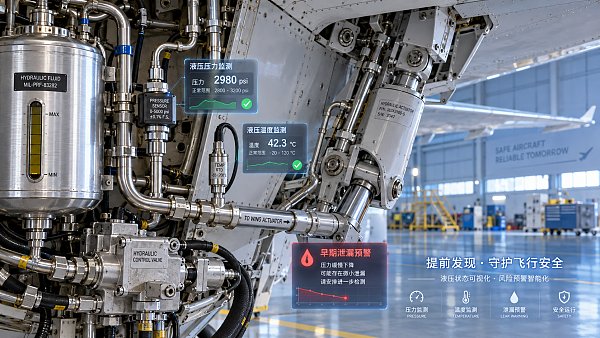
 Oct 02, 2026How Aircraft Hydraulic Safety Alerts Help Detect Leaks and Pressure Loss EarlyAircraft hydraulic safety alerts detect leaks and pressure loss early through smarter monitoring of pressure, fluid quantity, temperature, pump behavior, and actuator response.● Marcus Valve
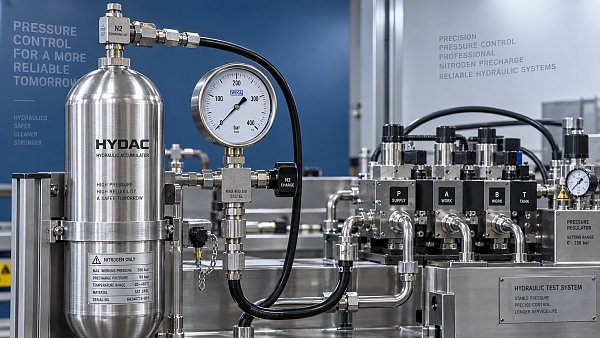
 Sep 27, 2026Hydraulic Accumulator Precharge: How to Set It for Reliable Pressure ControlHydraulic accumulator precharge guide: set nitrogen pressure accurately for stable control, usable fluid volume, safer operation, and longer system life.● Marcus Valve
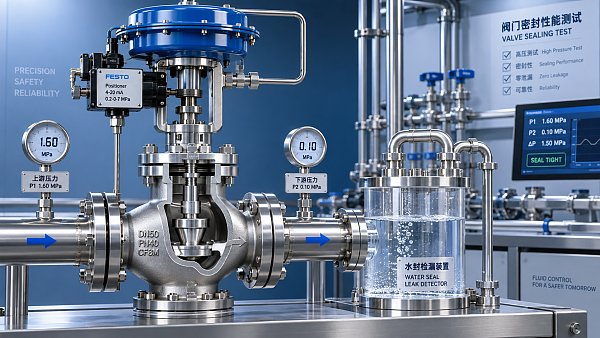
 Sep 26, 2026Valve Leakage Class Data: How to Interpret Allowable Leakage for Critical ServiceValve leakage class data explained: learn how to assess allowable leakage, test media, pressure differential, seat design, and standards for critical valve service.● Marcus Valve
 Sep 21, 2026Wholesale Vending Machines: A Buyer’s Checklist for Pricing, Capacity, and Service SupportWholesale vending machines buyer’s checklist: compare delivered pricing, real product capacity, payment options, installation needs, and dependable service support.● Marcus Valve
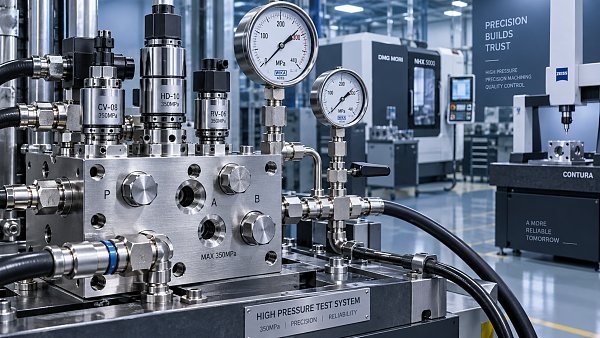
 Sep 20, 2026How to Evaluate a Hydraulic Manifold Manufacturer for High-Pressure SystemsHydraulic Manifolds manufacturer evaluation guide: compare pressure ratings, materials, machining, testing, cleanliness, and traceability for reliable high-pressure systems.● Marcus Valve
 Sep 08, 2026How to Specify High-Pressure Fluid Power Systems for Demanding Industrial Duty CyclesFluid Power high pressure system specification guide: optimize duty cycles, fatigue life, cleanliness, thermal control, safety, and supplier reliability.● Marcus Valve
 Sep 02, 2026How to Set Piston Accumulator Precharge Pressure for Reliable Hydraulic PerformancePiston accumulator precharge pressure: learn how to set P0, P1, and P2 for dependable hydraulic energy storage, safety reserves, and pulsation control.● Marcus Valve
 Aug 27, 2026How to Reduce Hydraulic Manifold Pressure Drop Without Undersizing Flow CapacityHydraulic manifold pressure drop: learn practical ways to cut energy loss, protect flow capacity, improve thermal stability, and optimize valve and port design.● Marcus Valve
 Aug 17, 2026How to Choose the Right Outdoor Patio Heater for Commercial SpacesOutdoor patio heaters for commercial spaces: learn how to choose the right model for comfort, safety, durability, and lower operating costs.● Marcus Valve
 Aug 12, 2026How to Select Hydraulic Components for Industrial Machinery by Load, Pressure, and Duty CycleHydraulic components for industrial machinery: learn how to match load, pressure, and duty cycle to reduce downtime, avoid oversizing, and improve reliability.● Marcus Valve
 Aug 09, 2026How to Size a High Pressure Hydraulic Accumulator for Peak Load StabilityHigh pressure hydraulic accumulator sizing made clear: learn how to define pressure windows, usable oil volume, and response speed for stable peak loads and smarter selection.● Marcus Valve
 Aug 03, 2026What Criteria Matter Most When Comparing Solutions for a B2B Buying Decision?Solution comparison criteria for B2B buying: learn how to weigh technical fit, supplier reliability, TCO, scalability, and supply-chain risk to choose with confidence.● Marcus Valve
 Jul 27, 2026How to Choose Custom Printed Guitar Picks for Branding, Events, and Retail SalesGuitar picks custom printed: learn how to choose the right material, thickness, print quality, packaging, and supplier for branding, events, and retail success.● Marcus Valve
 Jul 24, 2026How Do Metronomes and Tuners Work Together to Improve Practice Accuracy?Metronomes and tuners work best together to improve practice accuracy. Discover how they sharpen timing, stabilize pitch, and help musicians build more reliable performance results.● Marcus Valve
 Jul 23, 2026Product Selection for Electronic Components: Key Criteria for Reliable Design ChoicesProduct Selection for electronic components starts with reliability. Learn how to evaluate thermal, compliance, and supply-chain risks to build durable, cost-efficient designs.● Marcus Valve
 Jul 21, 2026How to Select Stainless Steel Level Transmitters for Corrosive Liquid ApplicationsStainless steel Level Transmitters selection for corrosive liquids starts with media, seals, and pressure. Learn how to choose reliable, compliant options that cut failure risk and downtime.● Marcus Valve
 Jul 12, 2026Luxury Vinyl Tile for Commercial Spaces: How to Compare Wear, Cost, and MaintenanceLuxury vinyl tile commercial flooring guide: compare wear layer, lifecycle cost, and maintenance needs to choose a durable, low-risk option for busy commercial spaces.● Marcus Valve
 Jul 10, 2026Component Specification Requirements Explained: How to Review Tolerance, Load, and FitComponent specification requirements explained clearly: learn how to review tolerance, load, and fit to reduce risk, improve uptime, and make smarter approval decisions.● Marcus Valve
 Jul 09, 2026Playground Borders: Which Materials Work Best for Drainage, Safety, and Low MaintenancePlayground borders compared by drainage, safety, and maintenance. Discover whether rubber, concrete, timber, composite, or metal is the best fit for your project.● Marcus Valve
 Jul 08, 2026Digital Pressure Transmitters Selection Guide: Accuracy, Output Signal, and Pressure RangeDigital Pressure Transmitters selection guide covering accuracy, output signal, and pressure range. Learn how to compare options for reliable performance, compatibility, and lower lifecycle costs.● Marcus Valve
 Jul 05, 2026Indoor Playground Maintenance Checklist: Daily, Weekly, and Monthly Tasks That MatterIndoor playground maintenance made practical: discover the daily, weekly, and monthly tasks that improve safety, reduce downtime, and extend equipment life.● Marcus Valve
 Jun 30, 2026Product Selection by Current Rating: How to Match Electrical Loads and Safety MarginsProduct Selection by current rating made practical: learn how to match real electrical loads, derating factors, and safety margins for safer systems, longer component life, and smarter buying decisions.● Marcus Valve
 Jun 26, 2026Pressure Transmitters Selection Guide: Key Specifications for Industrial SystemsPressure Transmitters selection guide for industrial systems: learn key specs, avoid costly mistakes, and choose the right fit for reliable performance.● Marcus Valve