Hot Articles
Popular Tags
Fluid Power Losses That Quietly Raise Operating Costs
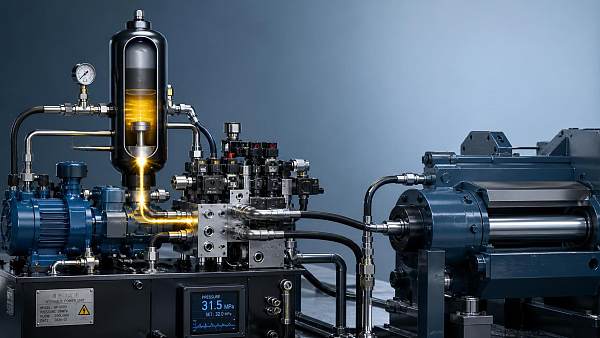
Fluid Power losses are becoming a bigger cost signal across industrial systems
Fluid Power losses rarely create dramatic failures at first. They usually appear as small efficiency declines, rising temperatures, unstable pressure, and higher electricity use.
Across integrated industries, these hidden losses now matter more. Energy prices remain volatile, uptime targets are tighter, and maintenance budgets face stronger scrutiny.
The result is clear. A hydraulic system that still “runs” may already be draining margin through leakage, throttling, poor hose routing, contaminated fluid, or oversized components.
Fluid Power efficiency is no longer only an engineering concern. It has become a lifecycle cost issue linked to asset reliability, emissions, service intervals, and sourcing quality.
This shift is especially relevant in mixed industrial environments where presses, mobile equipment, automated handling lines, and process control systems share demanding duty cycles.
Current operating conditions are exposing hidden Fluid Power inefficiencies faster
Several trend signals are making Fluid Power losses easier to notice, even when alarms remain silent.
First, digital monitoring has improved. Facilities now compare pump load, oil temperature, actuator speed, and pressure stability in near real time.
Second, production systems are running with less tolerance for drift. Small response delays in cylinders or valves can disrupt synchronized automation and downstream throughput.
Third, energy accountability is expanding. What once looked like ordinary heat loss now appears as avoidable operating expense and carbon intensity.
In many plants, the first sign is not failure. It is a slow increase in cooling demand, seal replacement frequency, and inconsistent motion under load.
Where losses usually begin
- Internal leakage in pumps, valves, and cylinders
- Pressure drops across fittings, bends, filters, and undersized lines
- Excessive throttling during speed control
- Heat generation from fluid friction and bypass flow
- Component mismatch between duty cycle and installed capacity
- Fluid contamination that accelerates wear and flow instability
The main drivers behind Fluid Power cost escalation are measurable
The hidden cost of Fluid Power losses becomes easier to manage when each driver is linked to a physical cause and a financial outcome.
Even modest losses multiply over time. A few percentage points of wasted Fluid Power can become a major annual expense in high-cycle operations.
This is why benchmarking to ISO, DIN, ASME, and related standards matters. Tighter tolerances and verified performance reduce uncertainty before cost escalation starts.
Why these losses now affect more than the hydraulic circuit
Fluid Power inefficiency no longer stays inside the power unit. It spreads into production quality, spare parts planning, inventory strategy, and service scheduling.
In automated material handling, weak pressure stability can disrupt lift timing, braking smoothness, or repeat positioning. That creates secondary losses outside the hydraulic subsystem.
In process industries, inaccurate flow behavior can force operators to overcompensate. More energy is used to secure the same output and safety margin.
In heavy equipment, rising oil temperature often reduces seal life and increases unplanned service windows. The direct repair bill is only part of the total cost.
Business areas that feel the impact first
- Energy consumption and utility intensity
- Maintenance labor and spare component turnover
- Output consistency and cycle-time control
- Asset lifespan and overhaul timing
- Supplier qualification and total cost validation
Some organizations also review alternative component pathways during redesign cycles, including reference options such as 无.
The strongest prevention opportunity is earlier component and system evaluation
Most Fluid Power losses are cheaper to prevent during specification than to correct during operation. Early review reduces both technical and commercial risk.
What deserves closer attention before sourcing
- Actual duty cycle, not nameplate assumptions
- Required pressure range versus installed pressure capability
- Flow demand during peak and partial-load conditions
- Seal material compatibility with fluid type and temperature
- Filtration class, contamination sensitivity, and service access
- Pressure-drop impact from connectors, bends, and manifolds
- Thermal management under continuous operation
- Test data, compliance evidence, and traceable quality control
A low purchase price can hide weak volumetric efficiency, shorter seal life, or unstable response under load. Those factors quietly reshape total ownership cost.
This is where supply-chain intelligence adds value. Comparing technical data with material trends and reliability evidence helps avoid short-term sourcing decisions.
A practical response framework can reduce Fluid Power waste without major disruption
Not every system needs full redesign. In many cases, the best response is phased correction based on the largest loss points.
Where evaluation support is needed, benchmark references may include 无, provided decisions still rely on verified operating data.
The next competitive edge will come from treating Fluid Power as a monitored cost center
The broader trend is moving toward measurable efficiency, not assumed performance. Fluid Power systems will increasingly be judged by energy profile, stability, and lifecycle reliability.
That means hidden losses should be reviewed with the same discipline applied to motors, controls, and digital infrastructure. The hydraulic circuit deserves equal visibility.
A useful next step is simple. Map pressure drop, leakage risk, fluid condition, and thermal load across critical assets. Then rank issues by annual cost exposure.
When Fluid Power decisions are tied to standards, test evidence, and real operating conditions, cost control becomes more predictable and system uptime becomes easier to protect.
In today’s industrial landscape, the quietest Fluid Power losses are often the most expensive. Finding them early is now a strategic advantage, not just a maintenance task.
Recommended News
 Oct 09, 2026How to Assess a Jade Bangles Manufacturer for Authenticity and OEM QualityAssess a jade bangles manufacturer for authenticity, treatment disclosure, OEM consistency, quality control, certification, and export-ready documentation.● Marcus Valve
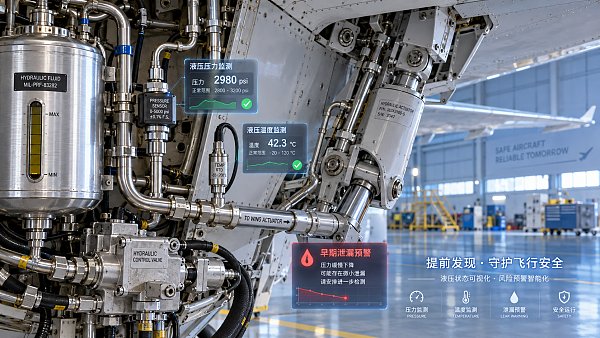
 Oct 02, 2026How Aircraft Hydraulic Safety Alerts Help Detect Leaks and Pressure Loss EarlyAircraft hydraulic safety alerts detect leaks and pressure loss early through smarter monitoring of pressure, fluid quantity, temperature, pump behavior, and actuator response.● Marcus Valve
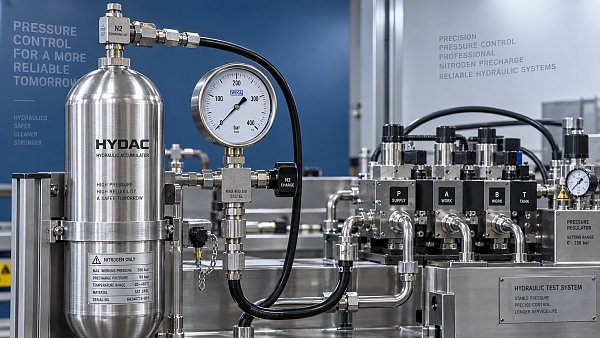
 Sep 27, 2026Hydraulic Accumulator Precharge: How to Set It for Reliable Pressure ControlHydraulic accumulator precharge guide: set nitrogen pressure accurately for stable control, usable fluid volume, safer operation, and longer system life.● Marcus Valve
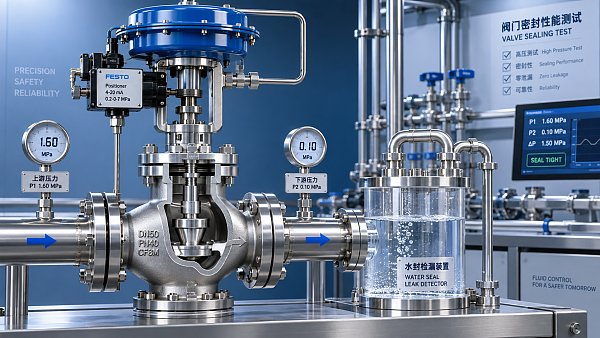
 Sep 26, 2026Valve Leakage Class Data: How to Interpret Allowable Leakage for Critical ServiceValve leakage class data explained: learn how to assess allowable leakage, test media, pressure differential, seat design, and standards for critical valve service.● Marcus Valve
 Sep 21, 2026Wholesale Vending Machines: A Buyer’s Checklist for Pricing, Capacity, and Service SupportWholesale vending machines buyer’s checklist: compare delivered pricing, real product capacity, payment options, installation needs, and dependable service support.● Marcus Valve
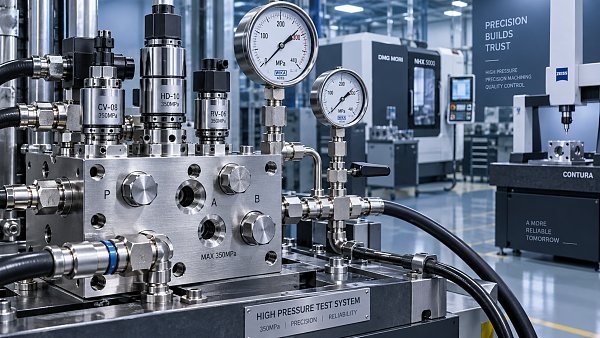
 Sep 20, 2026How to Evaluate a Hydraulic Manifold Manufacturer for High-Pressure SystemsHydraulic Manifolds manufacturer evaluation guide: compare pressure ratings, materials, machining, testing, cleanliness, and traceability for reliable high-pressure systems.● Marcus Valve
 Sep 08, 2026How to Specify High-Pressure Fluid Power Systems for Demanding Industrial Duty CyclesFluid Power high pressure system specification guide: optimize duty cycles, fatigue life, cleanliness, thermal control, safety, and supplier reliability.● Marcus Valve
 Sep 02, 2026How to Set Piston Accumulator Precharge Pressure for Reliable Hydraulic PerformancePiston accumulator precharge pressure: learn how to set P0, P1, and P2 for dependable hydraulic energy storage, safety reserves, and pulsation control.● Marcus Valve
 Aug 27, 2026How to Reduce Hydraulic Manifold Pressure Drop Without Undersizing Flow CapacityHydraulic manifold pressure drop: learn practical ways to cut energy loss, protect flow capacity, improve thermal stability, and optimize valve and port design.● Marcus Valve
 Aug 17, 2026How to Choose the Right Outdoor Patio Heater for Commercial SpacesOutdoor patio heaters for commercial spaces: learn how to choose the right model for comfort, safety, durability, and lower operating costs.● Marcus Valve
 Aug 12, 2026How to Select Hydraulic Components for Industrial Machinery by Load, Pressure, and Duty CycleHydraulic components for industrial machinery: learn how to match load, pressure, and duty cycle to reduce downtime, avoid oversizing, and improve reliability.● Marcus Valve
 Aug 09, 2026How to Size a High Pressure Hydraulic Accumulator for Peak Load StabilityHigh pressure hydraulic accumulator sizing made clear: learn how to define pressure windows, usable oil volume, and response speed for stable peak loads and smarter selection.● Marcus Valve
 Aug 03, 2026What Criteria Matter Most When Comparing Solutions for a B2B Buying Decision?Solution comparison criteria for B2B buying: learn how to weigh technical fit, supplier reliability, TCO, scalability, and supply-chain risk to choose with confidence.● Marcus Valve
 Jul 27, 2026How to Choose Custom Printed Guitar Picks for Branding, Events, and Retail SalesGuitar picks custom printed: learn how to choose the right material, thickness, print quality, packaging, and supplier for branding, events, and retail success.● Marcus Valve
 Jul 24, 2026How Do Metronomes and Tuners Work Together to Improve Practice Accuracy?Metronomes and tuners work best together to improve practice accuracy. Discover how they sharpen timing, stabilize pitch, and help musicians build more reliable performance results.● Marcus Valve
 Jul 23, 2026Product Selection for Electronic Components: Key Criteria for Reliable Design ChoicesProduct Selection for electronic components starts with reliability. Learn how to evaluate thermal, compliance, and supply-chain risks to build durable, cost-efficient designs.● Marcus Valve
 Jul 21, 2026How to Select Stainless Steel Level Transmitters for Corrosive Liquid ApplicationsStainless steel Level Transmitters selection for corrosive liquids starts with media, seals, and pressure. Learn how to choose reliable, compliant options that cut failure risk and downtime.● Marcus Valve
 Jul 12, 2026Luxury Vinyl Tile for Commercial Spaces: How to Compare Wear, Cost, and MaintenanceLuxury vinyl tile commercial flooring guide: compare wear layer, lifecycle cost, and maintenance needs to choose a durable, low-risk option for busy commercial spaces.● Marcus Valve
 Jul 10, 2026Component Specification Requirements Explained: How to Review Tolerance, Load, and FitComponent specification requirements explained clearly: learn how to review tolerance, load, and fit to reduce risk, improve uptime, and make smarter approval decisions.● Marcus Valve
 Jul 09, 2026Playground Borders: Which Materials Work Best for Drainage, Safety, and Low MaintenancePlayground borders compared by drainage, safety, and maintenance. Discover whether rubber, concrete, timber, composite, or metal is the best fit for your project.● Marcus Valve
 Jul 08, 2026Digital Pressure Transmitters Selection Guide: Accuracy, Output Signal, and Pressure RangeDigital Pressure Transmitters selection guide covering accuracy, output signal, and pressure range. Learn how to compare options for reliable performance, compatibility, and lower lifecycle costs.● Marcus Valve
 Jul 05, 2026Indoor Playground Maintenance Checklist: Daily, Weekly, and Monthly Tasks That MatterIndoor playground maintenance made practical: discover the daily, weekly, and monthly tasks that improve safety, reduce downtime, and extend equipment life.● Marcus Valve
 Jun 30, 2026Product Selection by Current Rating: How to Match Electrical Loads and Safety MarginsProduct Selection by current rating made practical: learn how to match real electrical loads, derating factors, and safety margins for safer systems, longer component life, and smarter buying decisions.● Marcus Valve
 Jun 26, 2026Pressure Transmitters Selection Guide: Key Specifications for Industrial SystemsPressure Transmitters selection guide for industrial systems: learn key specs, avoid costly mistakes, and choose the right fit for reliable performance.● Marcus Valve