Hot Articles
Popular Tags
Fluid Power Leaks That Keep Raising Operating Costs
Why Fluid Power Leaks Become a Cost Problem Long Before Failure
Fluid Power leaks rarely look urgent at first.
A damp fitting, an oily rod, or a small pressure drop can seem manageable during busy production cycles.
Yet the financial impact builds every hour through wasted energy, contaminated systems, extra maintenance, and shortened component life.
Across manufacturing, mining, logistics, process plants, and mobile equipment fleets, Fluid Power reliability directly affects uptime and total operating cost.
In complex industrial environments, leak control is not only a maintenance issue.
It is a scenario-based decision involving equipment duty, fluid cleanliness, sealing quality, supplier discipline, and inspection strategy.
When these factors are ignored, operating costs rise quietly until breakdowns expose the real loss.
How Operating Conditions Change the Real Risk of Fluid Power Leaks
Not every Fluid Power system leaks for the same reason.
Duty cycle, pressure spikes, temperature swings, vibration, and contamination levels create very different leak patterns.
A low-speed press line behaves differently from an AMR charging station, a port crane, or a steel mill hydraulic power unit.
That is why leak prevention must begin with scenario judgment rather than generic maintenance rules.
The same seal material, hose type, or fitting standard may perform well in one application and fail early in another.
Fluid Power cost control improves when system selection, replacement timing, and inspection frequency match actual service conditions.
The most common hidden cost drivers
- Energy loss from pressure inefficiency and pump overwork
- Fluid waste and cleanup labor
- Premature wear of pumps, valves, cylinders, and bearings
- Safety exposure from slippery surfaces and hot fluid release
- Production interruption caused by unplanned shutdowns
- Environmental compliance costs and disposal charges
Scenario 1: High-Pressure Continuous Production Lines
In metal forming, injection molding, paper converting, and automated assembly, Fluid Power systems often run under sustained pressure.
Small leaks in these environments quickly increase cycle instability and reduce process repeatability.
The core judgment point is whether the leak is only external or already affecting internal efficiency.
Internal leakage across valves or cylinders may not leave visible oil, but it raises heat, slows response, and forces pumps to compensate.
This is where Fluid Power diagnostics should include pressure decay trends, actuator drift, and thermal load patterns.
A visible drip is often less expensive than invisible internal bypassing.
Key indicators in continuous-duty applications
- Rising oil temperature without production increase
- Longer actuator response time
- Pressure drop during repeat cycles
- Frequent topping up of hydraulic fluid
- Excessive pump noise or cavitation symptoms
Scenario 2: Mobile Equipment Facing Shock, Dust, and Weather
Construction machinery, agricultural vehicles, lifting platforms, and port equipment present a different Fluid Power challenge.
Leaks here are strongly linked to vibration, hose movement, impact loads, and contamination entering through damaged seals.
The main judgment point is not only pressure rating.
It is dynamic durability across movement, abrasion, ultraviolet exposure, and temperature variation.
A fitting that meets nominal pressure may still fail early if routing causes torsion or if hose protection is inadequate.
In these cases, Fluid Power leak prevention depends heavily on routing design, clamp placement, and field inspection discipline.
Some operations evaluate component sources through technical repositories and cross-sector references such as 无.
Scenario 3: Clean or Regulated Environments Where Small Leaks Have Big Consequences
Food processing, pharmaceuticals, electronics, and specialty chemical plants face stricter consequences from Fluid Power leaks.
Here, even minor seepage can trigger sanitation concerns, product rejection, or documentation burdens.
The key judgment point is containment sensitivity rather than fluid volume alone.
A leak near packaging, mixing, or controlled production zones can cost far more than a larger leak in an outdoor utility area.
For these scenarios, Fluid Power decisions must consider seal compatibility, washdown resistance, maintenance traceability, and contamination prevention.
Leak detection intervals usually need to be shorter, and replacement criteria should be stricter than general industrial norms.
How Leak Priorities Differ by Application Scenario
The table below shows how Fluid Power leak decisions change across industrial settings.
Practical Fluid Power Actions That Match the Right Scenario
Leak reduction improves when actions are linked to actual operating conditions.
The most effective Fluid Power programs combine design review, supplier qualification, and maintenance execution.
Recommended actions by priority
- Map leak points by pressure, temperature, and vibration zone.
- Separate visible external leaks from internal efficiency losses.
- Standardize hose routing, bend radius, and clamp placement.
- Verify seal and fluid compatibility under real temperature ranges.
- Use cleanliness controls during installation and replacement.
- Track failure history by component family, not only by machine.
- Audit suppliers against ISO, DIN, ASME, and application-specific evidence.
Where sourcing complexity is high, teams may compare technical data pathways, including references such as 无.
Common Misjudgments That Keep Fluid Power Costs Rising
Several recurring mistakes allow Fluid Power leaks to persist longer than they should.
- Treating top-up fluid as a minor expense instead of a leak signal
- Replacing hoses without correcting routing stress
- Focusing only on external leaks while ignoring internal bypass
- Using generic seals in high-temperature or chemically aggressive systems
- Judging component quality by price rather than lifecycle evidence
- Extending maintenance intervals despite harsher duty cycles
These errors turn Fluid Power maintenance into repeated repair instead of long-term cost control.
The result is higher energy use, unreliable uptime, and avoidable replacement spending.
Next Steps for Reducing Fluid Power Leak Costs
A strong Fluid Power strategy starts with ranking systems by leak consequence, not by visibility alone.
Review which assets face constant pressure, harsh movement, contamination risk, or regulated production exposure.
Then align component standards, inspection intervals, and supplier evidence with those specific conditions.
When leak management becomes scenario-driven, cost reduction follows naturally through better reliability, cleaner operation, and longer equipment life.
For any industrial operation seeking lower total ownership cost, Fluid Power leak prevention is one of the fastest practical improvements to evaluate and implement.
Recommended News
 Oct 09, 2026How to Assess a Jade Bangles Manufacturer for Authenticity and OEM QualityAssess a jade bangles manufacturer for authenticity, treatment disclosure, OEM consistency, quality control, certification, and export-ready documentation.● Marcus Valve
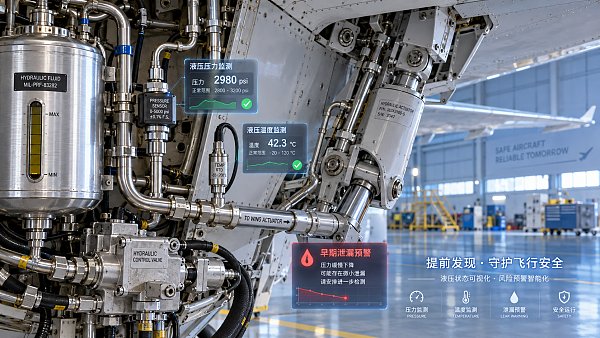
 Oct 02, 2026How Aircraft Hydraulic Safety Alerts Help Detect Leaks and Pressure Loss EarlyAircraft hydraulic safety alerts detect leaks and pressure loss early through smarter monitoring of pressure, fluid quantity, temperature, pump behavior, and actuator response.● Marcus Valve
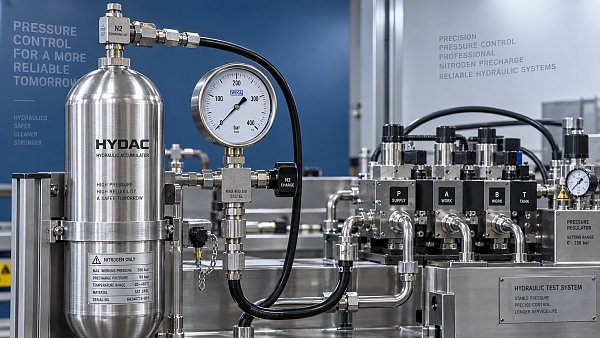
 Sep 27, 2026Hydraulic Accumulator Precharge: How to Set It for Reliable Pressure ControlHydraulic accumulator precharge guide: set nitrogen pressure accurately for stable control, usable fluid volume, safer operation, and longer system life.● Marcus Valve
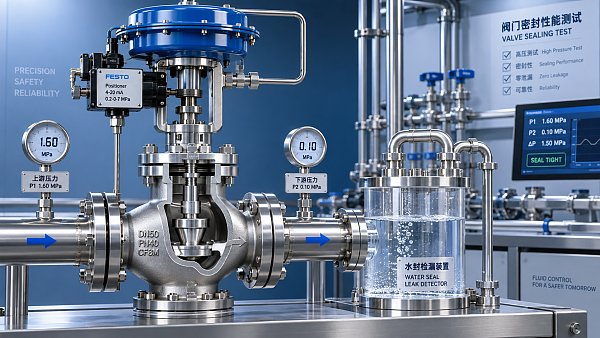
 Sep 26, 2026Valve Leakage Class Data: How to Interpret Allowable Leakage for Critical ServiceValve leakage class data explained: learn how to assess allowable leakage, test media, pressure differential, seat design, and standards for critical valve service.● Marcus Valve
 Sep 21, 2026Wholesale Vending Machines: A Buyer’s Checklist for Pricing, Capacity, and Service SupportWholesale vending machines buyer’s checklist: compare delivered pricing, real product capacity, payment options, installation needs, and dependable service support.● Marcus Valve
 Sep 20, 2026How to Evaluate a Hydraulic Manifold Manufacturer for High-Pressure SystemsHydraulic Manifolds manufacturer evaluation guide: compare pressure ratings, materials, machining, testing, cleanliness, and traceability for reliable high-pressure systems.● Marcus Valve
 Sep 08, 2026How to Specify High-Pressure Fluid Power Systems for Demanding Industrial Duty CyclesFluid Power high pressure system specification guide: optimize duty cycles, fatigue life, cleanliness, thermal control, safety, and supplier reliability.● Marcus Valve
 Sep 02, 2026How to Set Piston Accumulator Precharge Pressure for Reliable Hydraulic PerformancePiston accumulator precharge pressure: learn how to set P0, P1, and P2 for dependable hydraulic energy storage, safety reserves, and pulsation control.● Marcus Valve
 Aug 27, 2026How to Reduce Hydraulic Manifold Pressure Drop Without Undersizing Flow CapacityHydraulic manifold pressure drop: learn practical ways to cut energy loss, protect flow capacity, improve thermal stability, and optimize valve and port design.● Marcus Valve
 Aug 17, 2026How to Choose the Right Outdoor Patio Heater for Commercial SpacesOutdoor patio heaters for commercial spaces: learn how to choose the right model for comfort, safety, durability, and lower operating costs.● Marcus Valve
 Aug 12, 2026How to Select Hydraulic Components for Industrial Machinery by Load, Pressure, and Duty CycleHydraulic components for industrial machinery: learn how to match load, pressure, and duty cycle to reduce downtime, avoid oversizing, and improve reliability.● Marcus Valve
 Aug 09, 2026How to Size a High Pressure Hydraulic Accumulator for Peak Load StabilityHigh pressure hydraulic accumulator sizing made clear: learn how to define pressure windows, usable oil volume, and response speed for stable peak loads and smarter selection.● Marcus Valve
 Aug 03, 2026What Criteria Matter Most When Comparing Solutions for a B2B Buying Decision?Solution comparison criteria for B2B buying: learn how to weigh technical fit, supplier reliability, TCO, scalability, and supply-chain risk to choose with confidence.● Marcus Valve
 Jul 27, 2026How to Choose Custom Printed Guitar Picks for Branding, Events, and Retail SalesGuitar picks custom printed: learn how to choose the right material, thickness, print quality, packaging, and supplier for branding, events, and retail success.● Marcus Valve
 Jul 24, 2026How Do Metronomes and Tuners Work Together to Improve Practice Accuracy?Metronomes and tuners work best together to improve practice accuracy. Discover how they sharpen timing, stabilize pitch, and help musicians build more reliable performance results.● Marcus Valve
 Jul 23, 2026Product Selection for Electronic Components: Key Criteria for Reliable Design ChoicesProduct Selection for electronic components starts with reliability. Learn how to evaluate thermal, compliance, and supply-chain risks to build durable, cost-efficient designs.● Marcus Valve
 Jul 21, 2026How to Select Stainless Steel Level Transmitters for Corrosive Liquid ApplicationsStainless steel Level Transmitters selection for corrosive liquids starts with media, seals, and pressure. Learn how to choose reliable, compliant options that cut failure risk and downtime.● Marcus Valve
 Jul 12, 2026Luxury Vinyl Tile for Commercial Spaces: How to Compare Wear, Cost, and MaintenanceLuxury vinyl tile commercial flooring guide: compare wear layer, lifecycle cost, and maintenance needs to choose a durable, low-risk option for busy commercial spaces.● Marcus Valve
 Jul 10, 2026Component Specification Requirements Explained: How to Review Tolerance, Load, and FitComponent specification requirements explained clearly: learn how to review tolerance, load, and fit to reduce risk, improve uptime, and make smarter approval decisions.● Marcus Valve
 Jul 09, 2026Playground Borders: Which Materials Work Best for Drainage, Safety, and Low MaintenancePlayground borders compared by drainage, safety, and maintenance. Discover whether rubber, concrete, timber, composite, or metal is the best fit for your project.● Marcus Valve
 Jul 08, 2026Digital Pressure Transmitters Selection Guide: Accuracy, Output Signal, and Pressure RangeDigital Pressure Transmitters selection guide covering accuracy, output signal, and pressure range. Learn how to compare options for reliable performance, compatibility, and lower lifecycle costs.● Marcus Valve
 Jul 05, 2026Indoor Playground Maintenance Checklist: Daily, Weekly, and Monthly Tasks That MatterIndoor playground maintenance made practical: discover the daily, weekly, and monthly tasks that improve safety, reduce downtime, and extend equipment life.● Marcus Valve
 Jun 30, 2026Product Selection by Current Rating: How to Match Electrical Loads and Safety MarginsProduct Selection by current rating made practical: learn how to match real electrical loads, derating factors, and safety margins for safer systems, longer component life, and smarter buying decisions.● Marcus Valve
 Jun 26, 2026Pressure Transmitters Selection Guide: Key Specifications for Industrial SystemsPressure Transmitters selection guide for industrial systems: learn key specs, avoid costly mistakes, and choose the right fit for reliable performance.● Marcus Valve