Hot Articles
Popular Tags
Are industrial connectors failing under vibration?
Industrial Connectors often fail quietly before they fail completely. Under continuous vibration, contact pressure drops, fretting begins, and electrical stability degrades.
In industrial systems, that small change can cause intermittent signals, heat buildup, data errors, or shutdowns that appear random and hard to trace.
This guide explains why Industrial Connectors fail under vibration, where the highest risks appear, and how to evaluate robust connector designs for demanding applications.
Why do Industrial Connectors fail under vibration?
Yes, Industrial Connectors can fail under vibration when mechanical retention, contact geometry, or material quality are not matched to the environment.
Vibration creates repeated micro-movement between mating contacts. That movement wears protective plating and produces fretting corrosion at the contact interface.
Once oxide films form, electrical resistance rises. Higher resistance increases localized temperature, which can accelerate spring relaxation and further reduce contact force.
Mechanical loosening is another major cause. Threaded couplings, bayonet systems, and push-pull designs each react differently to cyclic motion and shock loading.
Cable mass also matters. Heavy unsupported cables act like levers, amplifying vibration at the connector interface and stressing terminations during machine movement.
In mixed environments, vibration rarely acts alone. Heat, moisture, dust, oil mist, and chemical exposure often combine with motion and shorten service life.
That is why Industrial Connectors used in rail, mining, robotics, fluid power systems, energy equipment, and transport electronics require more than basic catalog compliance.
What failure signs usually appear first?
The earliest symptoms are often intermittent. Systems may restart unexpectedly, sensors may drift, or communication packets may drop without obvious hardware alarms.
- Transient signal loss during movement or startup
- Connector shells backing off or rotating slightly
- Darkened contacts, wear dust, or plating damage
- Unexpected warming near power contacts
- Cracked insulation support or strained cable exits
Which design factors matter most in vibration-resistant Industrial Connectors?
Reliable Industrial Connectors are not defined by one feature. Performance depends on the interaction of contact system, locking method, housing strength, and cable management.
How important is contact force?
Contact force is central. Strong, stable spring pressure helps maintain a low-resistance path even when surfaces experience repeated micro-separation.
However, excessive force can increase insertion wear. Good Industrial Connectors balance retention, mating durability, and electrical consistency across many cycles.
Do plating and base materials affect vibration life?
Absolutely. Gold plating generally resists oxidation better in low-level signal applications. Tin may be acceptable in some power circuits, but fretting risk differs.
Base metal elasticity matters too. If the spring element relaxes under temperature and vibration, contact pressure declines even when the connector still looks intact.
Which locking styles perform better?
There is no universal winner. Threaded locking often performs well in heavy vibration. Bayonet systems support quick engagement with solid retention in mobile equipment.
Push-fit styles are faster to install, but they may need secondary retention in high-shock environments. Application testing matters more than marketing labels.
Why does strain relief deserve more attention?
Many Industrial Connectors fail at the cable transition, not the mating face. Without proper strain relief, conductor flexing transfers stress directly into crimp or solder points.
Effective backshells, clamps, and routing controls reduce bending amplitude. They also prevent cable whip from magnifying vibration loads during machine acceleration.
Where are vibration-related connector failures most common?
Industrial Connectors see the highest vibration risk in moving, rotating, pulsating, or impact-prone systems. The environment may be electrical, mechanical, or both.
- Robotics with repeated axis motion and high acceleration
- Hydraulic power units near pumps, engines, or compressors
- Rail and transport platforms exposed to continuous shock
- Mining and construction machinery with severe impact cycles
- Wind, energy, and outdoor systems facing weather plus motion
- Material handling equipment such as conveyors and AMRs
Signal connectors can fail from tiny resistance changes. Power connectors may fail from heat rise, loosened terminals, or insulation damage caused by repeated movement.
Hybrid Industrial Connectors carrying power, data, and control circuits deserve extra scrutiny because one housing can expose different circuits to different failure modes.
How can you evaluate Industrial Connectors for vibration resistance?
Start with application conditions, not only product brochures. Define vibration spectrum, shock events, temperature range, mounting orientation, cable mass, and expected mating cycles.
Which technical checks are most useful?
Should lab data be enough?
No. Standard tests are valuable, but field conditions often combine frequencies, temperature swings, contaminants, and installation variation that no single test fully reproduces.
For critical Industrial Connectors, compare lab qualification with pilot installation feedback, failure analysis history, and maintenance records from similar duty cycles.
What mistakes cause premature failure even with good Industrial Connectors?
A well-designed connector can still fail early if installation, routing, or selection decisions ignore real mechanical behavior.
Common errors to avoid
- Choosing by current rating only, while ignoring vibration class
- Leaving cable runs unsupported near the connector body
- Mixing incompatible plating surfaces without review
- Using improper crimp tools or uncontrolled assembly methods
- Assuming sealed housings automatically resist mechanical loosening
- Skipping re-torque or inspection intervals in high-shock service
Another frequent mistake is over-specifying environmental sealing while under-specifying contact stability. IP protection does not guarantee vibration-resistant electrical performance.
How do cost, maintenance, and lifecycle affect the decision?
Lower upfront cost can become expensive when Industrial Connectors trigger downtime, troubleshooting labor, replacement intervals, or repeated machine stoppages.
Lifecycle thinking is more useful. Evaluate total installed cost, expected service interval, field replaceability, tooling requirements, and the consequence of intermittent failure.
In high-reliability systems, a connector with proven vibration endurance often reduces hidden operational costs, even if unit price is higher at procurement stage.
Quick FAQ summary
Industrial Connectors do fail under vibration, but failure is rarely random. It usually follows identifiable mechanical and electrical patterns that can be designed against.
The strongest approach is practical and evidence-based. Review contact mechanics, retention method, cable support, test data, and actual installation behavior as one system.
When comparing Industrial Connectors for critical environments, build a checklist around vibration profile, termination quality, maintenance access, and lifecycle risk before final selection.
That next step helps reduce intermittent faults, protect uptime, and support more reliable industrial performance across mixed-duty applications.
Recommended News
 Oct 18, 2026Choosing Wire-to-Wire Connectors: Current Rating, Wire Gauge, and LockingChoose the right wire to wire electronic connector with expert guidance on current ratings, wire gauge, and locking features. Reduce harness failures and make confident selections.● Dr. Aris Alloy
 Oct 18, 2026How Do You Choose Between Industrial Connector Types?How do I choose between industrial connector types? Compare electrical ratings, sealing, compatibility, and lifecycle costs to select reliable connections and reduce costly downtime.● Dr. Aris Alloy
 Oct 18, 2026What Causes Industrial Connector Failure in Harsh Environments?What causes industrial connector failure in harsh environments? Explore moisture, vibration, heat, and assembly risks—and learn how to select reliable connectors that reduce downtime.● Dr. Aris Alloy
 Oct 05, 2026Smart Valve Policy Standards: What Engineers Need for Industrial ComplianceSmart valve policy standards guide engineers through safety, cybersecurity, interoperability, and lifecycle compliance for reliable industrial valve deployment.● Dr. Aris Alloy
 Oct 08, 2026How Do You Assess Component Reliability for Industrial Infrastructure?How do I assess component reliability for industrial infrastructure projects? Explore duty cycles, failure modes, supplier controls, testing, and lifecycle risk.● Dr. Aris Alloy
 Sep 25, 2026Selecting Power Supply Connectors for Voltage, Current, and Harsh EnvironmentsElectronic Connectors power supply selection guide for voltage, current, heat, vibration, moisture, sealing, and reliable high-performance installations.● Dr. Aris Alloy
 Aug 21, 20263-A Compliance Requirements for Hygienic Connectors: What Engineers Must Verify3-A compliance requirements explained for hygienic connectors: learn what engineers must verify on cleanability, materials, seals, drainability, and documentation before approval.● Dr. Aris Alloy
 Jul 15, 20262 Way Solenoid Valves Explained: Types, Operating Modes, and Common Uses2 way Solenoid Valves explained clearly: compare types, operating modes, and common uses to choose the right valve, reduce downtime, and improve system reliability.● Dr. Aris Alloy
 Jul 11, 2026Geometry Sets Wholesale Buying Guide: Materials, Packaging, MOQ, and School OrdersGeometry sets wholesale buying guide covering materials, packaging, MOQ, and school orders. Compare total cost, reduce sourcing risks, and choose reliable suppliers with confidence.● Dr. Aris Alloy
 Jul 10, 2026Circular Connector Price Guide: What Affects Cost by Material, IP Rating, and Pin Count?Circular connector price explained: compare how material, IP rating, and pin count affect cost, reliability, and sourcing value so you can buy smarter and avoid overpaying.● Dr. Aris Alloy
 Jul 08, 2026Pipe Connectors Nickel Plated: When to Use Them and What Specs Matter MostPipe Connectors nickel plated guide: learn when they are the right choice, which specs matter most, and how to avoid costly selection mistakes in industrial systems.● Dr. Aris Alloy
 Jul 05, 20263D Printed Fastener Strength Explained: Materials, Load Limits, and Design Trade-Offs3d printed fastener strength explained: compare materials, load limits, print orientation, and design trade-offs to choose safer, smarter fastening solutions.● Dr. Aris Alloy
 Jul 03, 2026Industrial Connector Factory China: How to Verify Quality Control and Export ComplianceIndustrial connector factory China verification starts with quality control and export compliance. Learn how to assess testing, traceability, certifications, and shipment readiness before you buy.● Dr. Aris Alloy
 Jul 01, 2026Industrial Connectors Manufacturer Comparison: What to Check Before Requesting SamplesIndustrial Connectors manufacturer comparison starts before samples. Learn what to check in quality, certifications, testing, lead time, and sourcing stability to choose a reliable supplier.● Dr. Aris Alloy
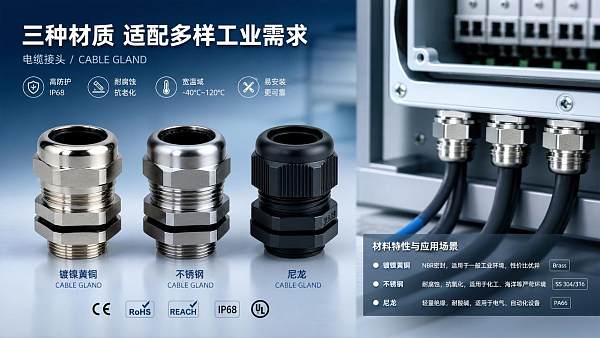
 Jun 28, 2026How to Evaluate a Stainless Cable Gland Manufacturer for Outdoor and Marine UseStainless cable gland manufacturer selection for outdoor and marine use starts with material grade, sealing, and compliance. Learn how to compare suppliers and reduce corrosion, downtime, and risk.● Dr. Aris Alloy
 Jun 27, 2026Specification Preparation with RoHS Compliance: What to Include Before RFQ and ProductionSpecification Preparation with RoHS compliance: learn what to define before RFQ and production to reduce compliance risk, speed approvals, improve quote accuracy, and protect sourcing decisions.● Dr. Aris Alloy
 Jun 25, 2026Automatic Soap Dispensers: Types, Sensor Options, and How to Choose the Right ModelAutomatic soap dispensers guide: compare types, sensor options, refill systems, and durability to choose the right model for cleaner operations, lower maintenance, and better value.● Dr. Aris Alloy
 Jun 24, 2026How to Choose Pipe Connectors: Thread Type, Pressure Rating, and Material GuidePipe Connectors selection starts with the right thread, pressure rating, and material. Learn how to avoid leaks, improve reliability, and choose fittings with confidence.● Dr. Aris Alloy
 Jun 22, 2026Science Lab Furniture: Key Materials, Layout Options, and Safety Features to EvaluateScience lab furniture selection affects safety, workflow, and cost. Explore key materials, layout options, and safety features to choose a lab setup that fits real operating needs.● Dr. Aris Alloy
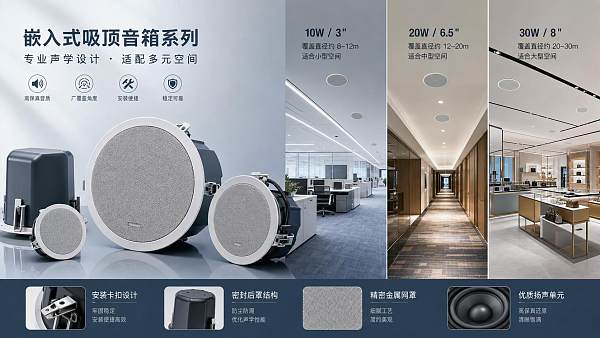
 Jun 21, 2026Ceiling Speakers Wholesale: How to Compare Power, Coverage, and Installation OptionsCeiling speakers wholesale guide: compare power, coverage, and installation options to reduce project cost, improve audio performance, and choose the right commercial speaker solution.● Dr. Aris Alloy
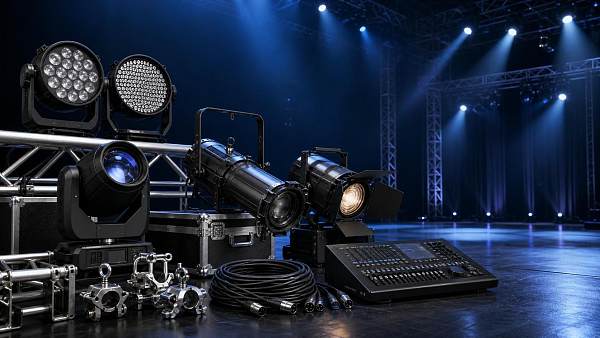
 Jun 20, 2026Stage Lighting Equipment Checklist: What to Buy for Schools, Theaters, and Live EventsStage lighting equipment checklist for schools, theaters, and live events. Learn what to buy, which specs matter, and how to avoid costly mistakes before you invest.● Dr. Aris Alloy
 Jun 18, 2026Brass Jewelry Manufacturer vs General Metal Supplier: Which Is Better for Custom Orders?Brass jewelry manufacturer or general metal supplier? Compare custom order quality, sampling speed, finish control, cost, and scalability to choose the best partner.● Dr. Aris Alloy
 Jun 17, 2026Connector Cycle Life Benchmarks Explained: What Counts as Reliable in Repeated MatingConnector cycle life benchmarks explained clearly: learn what reliable repeated mating really means, how to compare datasheet claims, and how to reduce failure risk in demanding applications.● Dr. Aris Alloy
 Jun 11, 2026Cable Gland Manufacturer Wholesale: What Certifications and Materials Matter Most?Cable gland manufacturer wholesale guide: learn which certifications, materials, and supplier checks matter most to reduce compliance risk, improve durability, and choose the right partner faster.● Dr. Aris Alloy