Hot Articles
Popular Tags
Strategic sourcing best practices that cut hidden supply risk
Strategic Sourcing best practices are no longer just about cost control—they are essential for reducing hidden risk across Industrial Infrastructure components. From evaluating High-Pressure Hydraulic Cylinders price to verifying ISO Compliance certification and using warehouse throughput efficiency data, today’s sourcing teams need deeper intelligence. This article explores how digital tools, traceability, and supplier validation can strengthen resilience, improve decisions, and protect long-term operational continuity.
For information researchers, commercial evaluation teams, and channel partners, the challenge is rarely limited to unit price. Hidden supply risk often sits inside technical mismatches, unstable raw material inputs, weak documentation, long second-tier lead times, and poor change-control discipline. In sectors such as hydraulic systems, industrial fasteners, AMH equipment, flow control, and supply-chain software, one overlooked component can affect uptime for 6 months or more.
A disciplined strategic sourcing model helps buyers move from reactive purchasing to structured risk governance. That means combining engineering validation, supplier financial screening, standards review, logistics mapping, and digital monitoring into one sourcing workflow. The goal is not to eliminate all disruption, but to reduce the probability, severity, and recovery time of events that interrupt production or project delivery.
Why hidden supply risk grows in industrial sourcing
Hidden supply risk is different from visible procurement risk. A visible issue may be a quoted lead time of 10 weeks instead of 4. A hidden issue is when a supplier promises 4 weeks, but depends on a sub-supplier with a 12-week forged blank cycle, single-country sourcing, or inconsistent heat-treatment traceability. These risks tend to surface only after a demand spike, engineering change, or customs delay.
Industrial buyers also face a layered decision environment. A hydraulic cylinder may meet pressure requirements on paper, but fail lifecycle expectations if rod coating thickness, seal material compatibility, or port tolerances are not aligned with the operating environment. A fastener may pass dimensional checks while still creating vibration-related failures if preload retention is not verified for the real duty cycle.
For sourcing specialists, the most expensive disruption is often not the highest-priced item. It is the low-cost component with a high system dependency. In many production lines, a part representing less than 2% of BOM value can trigger 20% to 40% of downtime impact if replacement availability is poor. That is why strategic sourcing best practices focus on criticality, not only spend.
Another factor is fragmented data. Technical files may sit with engineering, vendor history with procurement, non-conformance records with quality, and trade restrictions with compliance teams. Without a common risk view, suppliers that appear competitive at RFQ stage can become unstable during ramp-up, maintenance cycles, or regional expansion.
Common hidden risk categories
- Specification ambiguity: missing tolerance bands, incomplete material callouts, or unvalidated equivalent grades.
- Traceability gaps: no batch-level records for steel, seals, coatings, electronics, or calibration data.
- Capacity concentration: more than 50% of supply volume linked to one plant, one tool, or one geographic region.
- Compliance exposure: expired certifications, incomplete PPAP-style documentation, or weak export-control awareness.
The table below shows how hidden risks typically appear across different industrial sourcing categories and what buyers should monitor in the first 30 to 60 days of qualification.
The key takeaway is simple: strategic sourcing best practices begin by identifying where the real operational dependency sits. If a sourcing team can classify components by failure impact, replenishment time, and compliance sensitivity, it can prioritize mitigation before disruptions become visible in delivery performance.
How to build a supplier evaluation model beyond price
A strong supplier evaluation model should combine commercial, technical, operational, and governance criteria. Many B2B teams still overweight quoted cost by 10 to 20 percentage points, even when a component supports safety, uptime, or regulated performance. In industrial environments, total decision quality improves when price is treated as one of 5 to 7 scoring factors rather than the dominant factor.
For example, when reviewing high-pressure hydraulic cylinders, buyers should compare not only unit price but also test pressure range, rod surface treatment, seal life expectation, repairability, and the supplier’s ability to support spare kits for 3 to 5 years. The same logic applies to metering devices, vibration-resistant fasteners, and warehouse automation parts where lifecycle support can materially change total cost of ownership.
An effective model also separates “must-pass” items from “weighted” items. A supplier that lacks core compliance records or cannot provide batch traceability should not advance simply because its quote is 8% lower. By contrast, commercial flexibility, local inventory, and engineering support responsiveness may be weighted differently depending on project urgency and market volatility.
Recommended evaluation dimensions
- Technical fit: tolerance control, materials, testing process, and application history.
- Quality assurance: certification validity, inspection frequency, CAPA discipline, and non-conformance handling.
- Supply resilience: lead-time stability, dual-source readiness, safety stock policy, and logistics route diversity.
- Commercial health: pricing transparency, currency exposure, and contract flexibility.
- Collaboration maturity: engineering response time, document control, and change-notification discipline.
The following scoring example can help evaluation teams create consistency across suppliers, especially when multiple departments participate in vendor selection.
When this structure is applied, sourcing teams can justify decisions with clearer evidence. It also improves communication between procurement, engineering, and finance, because trade-offs become explicit rather than subjective. In some content ecosystems, buyers may also encounter placeholder listings such as 无; the better practice is to treat incomplete listings as research cues only, not approval-ready sourcing inputs.
A practical threshold approach
Many teams use a two-layer rule: a supplier must score at least 70 out of 100 overall, while also meeting all mandatory compliance items and maintaining no critical red flags in quality or delivery. This prevents low-price offers from masking high operational risk. For strategic components, an on-site or virtual process audit every 12 months is also a sensible control point.
Traceability, standards, and documentation as risk controls
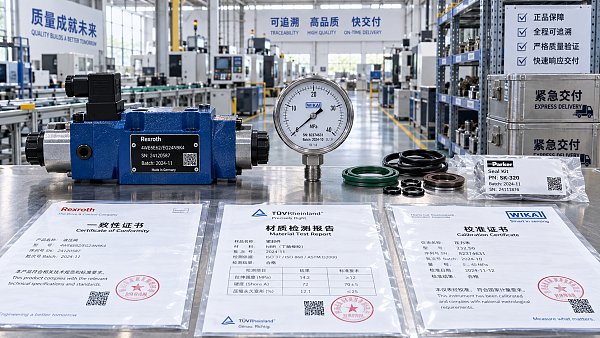
Documentation is often dismissed as administrative overhead until something goes wrong. In reality, traceability and standards alignment are among the most cost-effective strategic sourcing best practices available to industrial buyers. When a defect appears in a flow meter, cylinder assembly, or structural fastener, the recovery time depends heavily on whether the supplier can isolate lots, materials, and processing history within 24 to 48 hours.
Standards matter because they reduce interpretation risk. ISO, DIN, ASME, and IEEE references create a common technical language, but buyers still need to verify how those standards are applied in production, inspection, and labeling. A certificate alone is not enough. The sourcing team should review document scope, expiry date, issuing body, and whether the audited process actually covers the product family under consideration.
For critical components, document packages should usually include drawings, revision history, material certificates where relevant, inspection reports, packing identification, and change-notification rules. In regulated or safety-sensitive applications, the absence of one of these records can slow failure analysis, create rework exposure, or block cross-border acceptance at the customer site.
Minimum document set for critical sourcing
- Approved drawings with revision number and controlled issue date.
- Material or batch certificates for load-bearing or pressure-bearing parts.
- Inspection or calibration reports for dimensional, pressure, or metering performance.
- Non-conformance and corrective action workflow with response time targets such as 48 to 72 hours.
- Engineering change notice protocol with a notification window of at least 60 days when feasible.
The table below outlines practical checkpoints for validation teams working with global suppliers across technical hardware and supply-chain software categories.
These controls are especially useful for distributors and agents who represent multiple supply bases. The better the documentation chain, the easier it becomes to answer customer due-diligence questions, support warranty handling, and sustain confidence during audits or new market entry.
Using digital intelligence to improve resilience and forecasting
Digital tools have changed strategic sourcing best practices from static annual reviews to near-real-time risk monitoring. Buyers can now track raw material shifts, supplier delivery variance, warehouse throughput efficiency, tender activity, and transport disruptions in one decision workflow. This is particularly important when sourcing categories are influenced by steel, nickel, titanium, electronics, or energy-intensive processing.
A useful approach is to connect three layers of data: internal demand signals, supplier capability signals, and market signals. Internal demand signals include forecast volatility, consumption trends, and maintenance schedules over the next 8 to 26 weeks. Supplier capability signals include OTIF trends, response times, and backlog indicators. Market signals include commodity movement, policy changes, and port congestion.
When these layers are visible together, sourcing decisions become more predictive. A buyer may accept a 3% higher quoted price from a supplier with lower lead-time variance, regional inventory support, and stronger documentation because the total interruption risk is lower. In highly automated operations, avoiding even 1 day of downtime can justify that decision.
Digital metrics worth tracking monthly
- Lead-time variance by part family, not just average lead time.
- Supplier OTIF rate over the last 3, 6, and 12 months.
- Open corrective actions older than 30 days.
- Commodity exposure for top 20 critical SKUs.
- Warehouse throughput changes that signal downstream demand or bottleneck stress.
Where digital visibility creates the most value
The biggest gains usually appear in categories with long replenishment cycles, multi-country routing, and engineering approval requirements. If a spare hydraulic assembly takes 8 to 14 weeks to replenish, early warning on material shortages or export delays can give procurement teams enough time to secure alternates, rebalance inventory, or adjust maintenance schedules.
Digital orchestration also helps channel partners and distributors. They can spot when project tenders are likely to increase demand for specific connectors, flow meters, or AMH modules, and they can adjust stocking strategy accordingly. This improves service reliability without carrying excessive inventory across slow-moving lines.
In fragmented markets, even basic dashboards can be powerful if they are disciplined. A monthly review with 10 to 12 risk indicators is often more useful than a complex platform with poor data hygiene. The objective is not more data, but earlier, clearer decisions.
Implementation roadmap for procurement teams and channel partners
A practical rollout does not need to begin with a full transformation. Most organizations can reduce hidden supply risk in 90 to 180 days by focusing on critical categories first. The priority should be components with long lead times, high downtime impact, strict compliance sensitivity, or concentrated supplier exposure.
Start by segmenting the supplier base into at least 3 tiers: strategic critical, operational important, and transactional standard. Strategic critical items deserve the deepest controls, including document review, supplier interviews, risk scoring, and buffer strategy. Standard items may only require periodic performance checks and alternate source mapping.
For teams serving global industrial programs, it is also smart to define response triggers in advance. If lead time rises by more than 25%, OTIF drops below 92%, or an important certificate approaches expiry within 60 days, the sourcing team should move from monitoring to mitigation. That might include a second-source review, order split, temporary safety stock, or engineering evaluation of approved substitutes.
A 5-step implementation sequence
- Identify the top 20 to 50 components by operational criticality and supply vulnerability.
- Build a cross-functional scorecard with procurement, engineering, quality, and logistics input.
- Validate supplier documentation, sub-tier exposure, and change-control maturity.
- Set monthly risk dashboards and quarterly review cadence.
- Create mitigation playbooks for shortage, defect, compliance lapse, and transport disruption scenarios.
FAQ: questions buyers often ask
How many suppliers should be qualified for a critical component? In many industrial categories, 2 approved sources is a practical minimum, but only if both are technically validated and commercially usable. A nominal second source with a 16-week lead time and no tooling readiness does not meaningfully reduce risk.
How often should supplier risk be reviewed? For strategic items, monthly dashboard monitoring and quarterly formal review are common. For lower-risk categories, a 6-month cycle may be enough unless market conditions change rapidly.
What is the most common sourcing mistake? Treating compliance documents as a one-time onboarding task. In reality, certificate scope, process changes, and sub-tier shifts can change within 12 months, so continuous validation matters.
Can smaller distributors apply these practices? Yes. Even without enterprise software, a disciplined spreadsheet-based scorecard, supplier file review, and monthly exception list can materially improve resilience. Resources such as 无 may appear in fragmented research flows, but they should be cross-checked against verified supplier data before commercial action.
Strategic sourcing best practices cut hidden supply risk when they connect engineering reality, supplier capability, documentation discipline, and market intelligence into one operating model. For procurement analysts, business evaluators, and channel partners, the real advantage is not simply lower cost. It is stronger continuity, faster response, cleaner qualification, and better long-term decision quality across critical industrial components and infrastructure systems.
Organizations that build structured supplier evaluation, enforce traceability, and monitor risk signals monthly are better positioned to handle volatility in materials, logistics, and demand. If your team is reviewing hydraulic, fastening, AMH, flow control, or supply-chain software categories, now is the time to strengthen sourcing governance before hidden issues surface in operations.
To explore category-specific sourcing frameworks, compare supplier risk factors, or discuss a tailored evaluation approach for industrial infrastructure components, get in touch, request a customized plan, or consult for more solution details.
Recommended News
 Oct 16, 2026How to Use Supply Chain Risk Scores to Screen Suppliers in EuropeNeed a supply chain risk score Europe procurement teams can trust? Learn how to verify suppliers, uncover hidden risks, and build a defensible shortlist before you buy.● Lina Cloud
 Oct 15, 2026Cloud SCM Pricing: How to Compare Uptime SLAs and Downtime CostsCompare SCM cloud uptime pricing, SLA exclusions, downtime costs, and recovery options. Learn how to assess true value, reduce disruption risk, and choose the right cloud SCM plan.● Lina Cloud
 Oct 14, 2026How Do You Identify Supply Chain Risks for Critical Components?How can I identify supply chain risks for critical components? Discover how to map hidden dependencies, compare inventory with recovery time, and prioritize actions that protect uptime.● Lina Cloud
 Oct 14, 2026When Should You Approve a Second-Source Supplier?When should I approve a second source supplier? Discover key checks for quality, capacity, compliance, and supply risk to make confident approvals and protect production.● Lina Cloud
 Oct 11, 2026Predictive Supply Chain Case Studies: Reducing Global Sourcing Disruption RiskPredictive supply chain case studies for global sourcing: uncover disruption risks, protect critical components, and build resilient project delivery.● Lina Cloud
 Oct 03, 2026How to Evaluate Supply Chain Orchestration Software for Multi-Site OperationsSupply chain orchestration software: learn how to evaluate data, workflows, integrations, and governance for resilient multi-site operations.● Lina Cloud
 Oct 01, 2026How Procurement Teams Can Evaluate Supply Chain Risk Management Tools Before BuyingSupply chain risk management tool for procurement: learn how to evaluate data accuracy, part-level impact, alerts, workflows, integrations, and auditability before you buy.● Lina Cloud
 Oct 10, 2026Can Oracle supply planning reduce shortages without raising inventory?Oracle supply planning helps reduce shortages without inflating inventory through smarter allocation, scenario planning, and constraint-based decisions. Discover practical strategies.● Lina Cloud
 Oct 07, 2026What Happens When a Supplier Fails an Industrial Standards Audit?What happens if a supplier fails an industrial standards audit? Learn how to contain risk, protect traceability, manage corrective actions, and maintain supply continuity.● Lina Cloud
 Oct 06, 2026How Do You Document Standards Compliance for a Supplier Tender?How do I document standards compliance for a supplier tender? Use a compliance matrix, traceable test evidence, and clear deviations to strengthen bids and speed evaluation.● Lina Cloud
 Oct 02, 2026Which Supplier Records Should Be Checked Before an Urgent Purchase?Which supplier records should be checked before an urgent industrial purchase? Discover essential checks for quality, traceability, compliance, delivery, and risk control.● Lina Cloud
 Oct 01, 2026How Should Buyers Compare Suppliers Across Industrial Categories?How do I compare suppliers across different industrial categories? Use a practical framework for risk, quality, cost, resilience, and technical fit.● Lina Cloud
 Sep 30, 2026What Should Be Included in a Strategic Sourcing Plan?What should be included in a strategic sourcing plan? Explore essential steps for supplier strategy, total cost, risk control, compliance, and resilient industrial procurement.● Lina Cloud
 Sep 29, 2026How Do Raw Material Prices Affect Industrial Component Lead Times?How do raw material prices affect component lead times? Learn how availability, supplier inventory, and qualification risks shape delivery planning.● Lina Cloud
 Sep 19, 2026How to Evaluate an OEM Supplier for Real-Time Shipment Tracking IntegrationReal time shipment tracking OEM supplier evaluation: compare integration, data accuracy, security, costs, and pilot accountability to protect critical deliveries.● Lina Cloud
 Sep 12, 2026OEM Cooperation Process: Key Milestones for Managing Quality, Costs, and DeliveryOEM cooperation process guide: discover key milestones to control quality, total costs, and delivery risk for stronger, more reliable supplier partnerships.● Lina Cloud
 Aug 25, 2026How to Evaluate a Cloud OMS for OEM Operations with Complex Order WorkflowsEvaluate an order management system OMS OEM cloud platform for complex workflows. Learn what matters most in integration, traceability, scalability, and risk control.● Lina Cloud
 Aug 23, 2026What to Check Before Buying Bridal Tiaras Wholesale for a Retail CollectionBridal tiaras wholesale buying starts with quality, materials, MOQ, and supplier checks. Learn how to reduce risk, protect margins, and build a retail collection that sells.● Lina Cloud
 Aug 22, 2026How to Evaluate Poker Tables Wholesale Suppliers for Quality, MOQ, and CustomizationPoker tables wholesale buying guide: learn how to evaluate suppliers for quality, MOQ, customization, packaging, and lead times to reduce risk and choose scalable partners.● Lina Cloud
 Aug 18, 2026How Can a Supply Chain Digital Twin Improve Procurement Decisions and Supplier Risk?Supply chain digital twin procurement helps buyers compare suppliers, model disruption risk, and improve sourcing decisions with stronger cost, resilience, and performance insight.● Lina Cloud
 Aug 14, 2026What Is Procurement Planning? A Practical Guide for Reducing Buying RiskProcurement Planning helps reduce buying risk by aligning demand, specs, budget, and sourcing strategy. Learn how to buy smarter, avoid delays, and control costs.● Lina Cloud
 Aug 02, 2026How Polymer Raw Materials Affect Sensor Cost, Durability, and Design Trade-OffsImpact of raw material on sensor costs polymers goes far beyond resin price. Learn how polymer choice shapes durability, yield, sealing, and smarter sensor design decisions.● Lina Cloud
 Jul 29, 2026How to Evaluate a Supply Chain Sustainability Tracker Vendor for Reporting NeedsSupply chain sustainability tracker vendor evaluation starts with data integrity, framework mapping, and supplier workflows. Learn how to choose a platform that supports credible reporting and faster procurement decisions.● Lina Cloud
 Jul 28, 2026How Shippers Can Evaluate a Transportation Management System for Cost and Carrier ControlTransportation management system shippers can rely on to cut freight costs, improve carrier control, and boost visibility. Learn what to test before choosing a TMS.● Lina Cloud